Table of Contents
Why This Decor Idea Matters
FABRIC STRIPS: Wreaths have long been symbols of warmth, welcome, and celebration. While traditional greenery wreaths are timeless, fabric strip wreaths offer a creative, eco-friendly, and stylish alternative that resonates with today’s design sensibilities.
This DIY decor idea matters because it combines sustainability, versatility, and personality. Using leftover fabric scraps, you can craft a wreath that feels custom-made for your home while reducing waste. Whether you prefer rustic charm, bohemian flair, or sleek minimalism, a fabric strip wreath adapts to your vision.
Beyond its visual appeal, creating this decor piece can be a calming, mindful activity—an antidote to the fast pace of modern life. Trends in home decor increasingly emphasize handmade, personalized elements, and this project fits beautifully into that movement. Imagine a wreath that not only enhances your doorway or wall but also tells a story through fabrics that hold memories.
What You’ll Need
Crafting a fabric strip wreath doesn’t require complicated tools, but the right materials will make a big difference.
- Wreath Base
- Options: Wire wreath form, foam wreath, or even a sturdy embroidery hoop.
- Role: Provides the foundation where fabric strips will be tied.
- Tip: Wire frames are versatile and budget-friendly; foam bases create a fuller look.
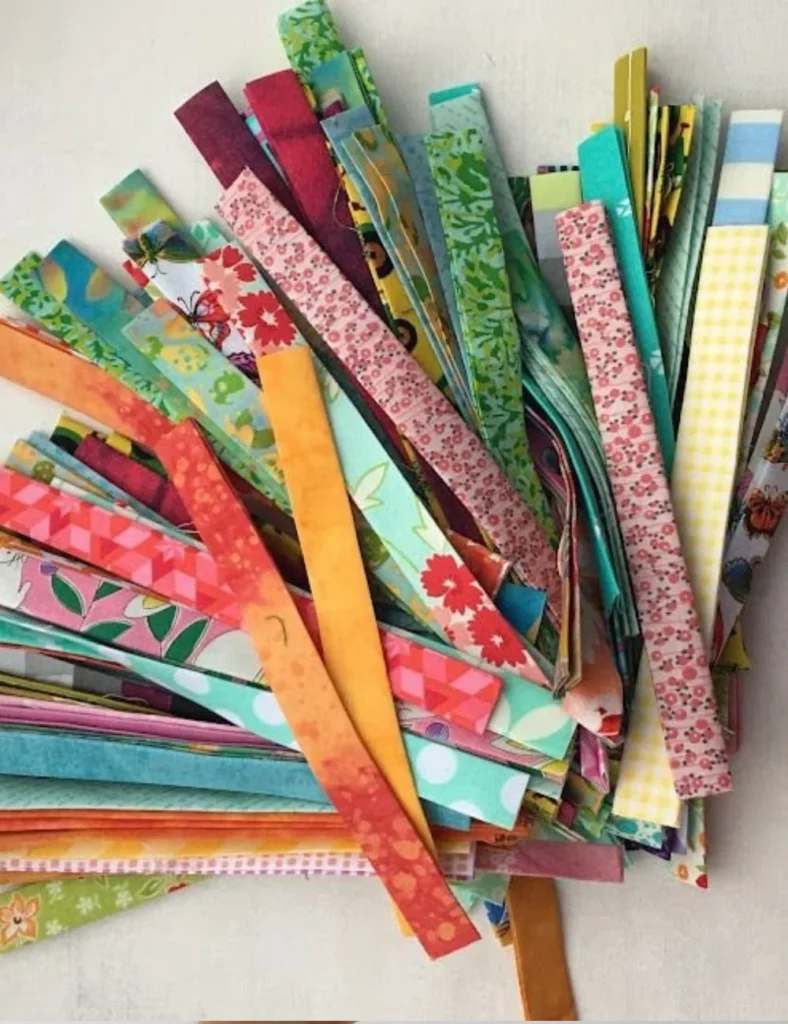
- Fabric Strips
- Options: Cotton, linen, burlap, flannel, or even old clothing.
- Role: The main decorative element, giving texture and color.
- Tip: Choose a cohesive color palette for elegance, or mix patterns for a playful vibe.
- Scissors or Rotary Cutter
- Role: To cut fabric into strips (about 1″–2″ wide and 6″–10″ long).
- Tip: Pinking shears prevent fraying for a neater finish.
- Optional Embellishments
- Ribbons, faux flowers, small ornaments, or beads.
- Role: Adds seasonal charm or extra dimension.
- Budget-Friendly Alternatives
- Upcycle old shirts, pillowcases, or fabric remnants.
- Dollar-store wreath bases work just as well as craft-store versions.
- High-End Alternatives
- Designer fabrics or silk ribbons can create a luxe wreath.
- Specialty wreath forms (like wood or rattan) add sophistication.
Decorating Steps
Step 1: Prepare Your Fabric
Cut fabric into strips. Consistent sizes create a uniform look, while varied lengths add texture.
Pro tip: Lay out fabrics together first to see how colors blend.
Step 2: Start Tying
Take a strip, fold it in half, and tie it onto the wreath form with a simple knot. Pull tightly so it stays secure. Repeat around the entire base.
Avoid: Overlapping knots too tightly, which can make the wreath bulky.
Step 3: Build Layers
Continue tying strips until the wreath looks full. Adjust colors as you go to distribute patterns evenly.
Pro tip: Alternate light and dark shades for balance.
Step 4: Add Embellishments
Attach ribbons, flowers, or seasonal accents using hot glue or by tying them into the fabric knots.
Avoid: Overcrowding—the fabric itself should remain the star.
Step 5: Fluff and Shape
When all strips are tied, spread them out to cover gaps. Trim any overly long pieces for a polished silhouette.
Design Tips & Variations
- Color Accents
- Use metallic fabrics for holiday sparkle.
- Neutral tones (beige, ivory, gray) for minimalist chic.
- Bold brights for kids’ rooms or playful spaces.
- Lighting Enhancements
- Wrap fairy lights around the wreath for a soft glow.
- Opt for battery-operated mini lights to keep it easy.
- Textures
- Mix smooth cotton with rough burlap for depth.
- Add lace or velvet for a romantic vibe.
- Seasonal Variations
- Spring: Pastel fabrics with floral accents.
- Summer: Bright tropical colors.
- Autumn: Warm plaids and burlap.
- Winter: Rich jewel tones or whites with silver ribbons.
- Personal Touches
- Add small framed photos for a family wreath.
- Incorporate monogram letters for personalization.
- Tie in greenery or dried herbs for natural fragrance.
FAQ / Common Challenges
Q: How much fabric will I need?
A: For a 12-inch wreath, plan on about ½ yard of fabric or equivalent scraps. Larger wreaths may require a yard or more.
Q: What if my fabric frays?
A: Embrace it! Fraying adds rustic charm. For a cleaner look, use pinking shears.
Q: Can I reuse the wreath form?
A: Yes, simply untie the fabric strips and start fresh with new colors or themes.
Q: How do I hang the wreath?
A: Use a ribbon loop tied to the frame or a command hook for a damage-free option.
Q: Can this project work with kids?
A: Absolutely! It’s a safe, family-friendly craft that encourages creativity.
Conclusion & Call to Action
A fabric strip wreath is more than a craft—it’s an expression of style, sustainability, and creativity. With just a few materials and some thoughtful touches, you can design a piece that welcomes guests, uplifts your mood, and reflects your personality.
This DIY project proves that home decor doesn’t need to be expensive or complicated to be impactful. Instead, it’s about making intentional choices that bring joy and beauty into everyday life.
Which color palette will you choose for your first fabric strip wreath? Share your ideas, and let this project be the start of a new tradition in your home decor journey.