+10 Ideas For white oak kitchen cabinets inspo 2025
Introduction
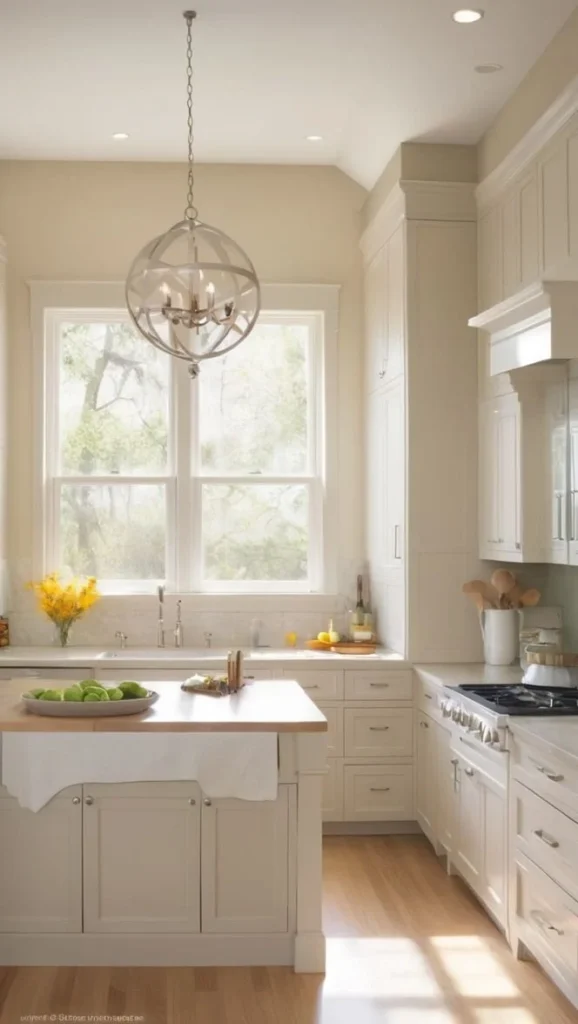
Imagine stepping into a kitchen that smells faintly of warm toast and citrus oil, where sunlight pools on honeyed wood and cool white countertops. White oak kitchen cabinets capture that sensation — the soft grain, the subtle warmth, and a neutral hue that feels both timeless and of-the-moment. In 2025, white oak is showing up in kitchens that are lighter, layered, and more tactile: matte brass pulls, ribbed glass, woven rattan stools, and statement pendant lights that swing like jewelry over an island.
This trend matters because it balances personality with comfort. A white oak cabinet doesn’t shout — it invites. It’s a backdrop for gatherings, a soothing presence for solo breakfasts, and a sturdy stage for the clutter of everyday life. Whether you entertain often or treasure quiet mornings with a book and a mug, white oak creates a calm, collected mood that suits varied lifestyles. For seasonal refreshes or renter-friendly updates, the neutrality of white oak plays well with pops of color and textural swaps. See more white kitchen cabinet inspiration here: white kitchen cabinets ideas.
This post gathers +10 ways to style, layer, and love white oak kitchen cabinets in 2025 — from full remodel visions to small, high-impact tweaks. Expect sensory details (the hum of a pendant light, the coolness of stone beneath fingertips), practical tips (hardware swaps, paint pairings, budget shortcuts), and visual recipes you can adapt for rental units, cozy cottages, and modern open plans alike.
At a Glance
What this is: White oak kitchen cabinets are built-in cabinetry made from white oak or white-oak veneer — a furniture/fixture element that combines form and storage.
Main style: Scandinavian-modern with warm, organic influences; easily leans minimal, rustic, or transitional depending on hardware and finishes.
Typical colors, materials, textures:
- Natural white oak grain (light honey to pale tan)
- Matte or satin lacquer, clear oil finishes
- Accents: brass, blackened steel, ceramic tile, stone countertops
- Textures: ribbed glass, fluted panels, open shelving with wicker baskets
Best rooms/zones: Primarily kitchens and kitchen-adjacent zones (island, pantry, breakfast nook); also great in utility rooms, mudrooms, and kitchen-living hybrids.
DIY vs. buying: Mix — full custom cabinetry is pro-level, but many approaches (staining IKEA frames, swapping doors, changing hardware) are approachable for DIYers.
Why It Works
White oak cabinets transform a room visually and emotionally. Light wood reflects a gentle warmth that visually enlarges a space without the starkness of all-white kitchens. In a narrow galley, pale oak reduces visual clutter by unifying the line of cabinetry; in open-plan homes, it creates a soft transition between kitchen and living areas. Mixed with white or stone counters, oak keeps the palette airy and breathable while the grain gives your eye something comforting to rest on.
Emotionally, white oak brings calm and a sense of craftsmanship. The natural variation in grain and color makes a kitchen feel lived-in and authentic — perfect for slow weekend brunches and cozy holiday dinners. Practically, these cabinets offer the storage backbone modern households need: deep drawers for pots, clever pull-outs for recycling, and pantry solutions that streamline routines. Picture arriving home after work: the kitchen’s warm face greets you, everything has a place, and setting the table feels calmer because the space itself supports easy rituals.
Why Choose It
Who it’s perfect for: Families wanting durable, timeless surfaces; renters doing inexpensive but impactful changes; small-space dwellers who want warmth without heaviness; design lovers who crave a neutral base that can shift seasonally.
Key strengths:
- Timeless and flexible: won’t feel dated quickly.
- Easy to personalize with hardware, paint, and accessories.
- Scalable: from full custom to DIY door swaps.
- Small-space friendly: light wood reads larger than heavy dark cabinetry.
Problem-solver example: A dark, claustrophobic kitchen can be transformed by swapping dark-stained cabinets for white oak-look fronts or refinishing existing doors with a lighter stain/veneer — immediately brightening the room without a full renovation. Another scenario: a rental with dated melamine cabinets can be refreshed by applying white oak veneer panels to visible surfaces and swapping knobs, making the space feel boutique without permanent changes.
How to Style +10 Ideas For white oak kitchen cabinets inspo 2025
Ingredients (materials, tools, products)
- Main items:
- White oak cabinet doors or veneer sheets / white oak-faced cabinetry
- Matching trim and molding
- Cabinet hardware (pulls, knobs) in brass, black, or matte nickel
- Countertop (quartz, honed stone, or butcher block)
- Optional extras:
- Fluted glass inserts, open shelving boards, slide-out organizers
- Under-cabinet LED strips, pendant lighting, rug runners
- Accessories: woven baskets, ceramic canisters, cutting boards, brass tray
- Tools and budget alternatives:
- Basic tools: drill, screwdriver, sander, clamps, wood glue
- Budget substitutions: refacing with peel-and-stick wood veneer, spray-painting existing hardware, IKEA door fronts or modular units like the BESTÅ alternative (for adaptable storage)
Directions (step-by-step)
- Start with a plan: Measure your kitchen walls, cabinet footprints, and appliance clearances. Sketch or use an online planner to visualize cabinet height, island placement, and traffic flow.
- Choose your finish: For a modern look pick a clear matte oil to emphasize grain; for a softer farmhouse vibe, go for a light whitewash. Test finishes on sample pieces to see how lighting alters tone.
- Select hardware early: Hardware changes can shift a design from Scandinavian to industrial. Brass warms the wood; matte black adds contrast; recessed pulls create a sleeker profile.
- Layer texture: Add a fluted glass door on a single upper cabinet for display, or replace one run of doors with open shelving to break monotony and show ceramics.
- Anchor with countertops: Cool quartz or honed marble reads contemporary; warm butcher block reinforces the wood aesthetic. Choose based on maintenance and cooking habits.
- Lighting hierarchy: Install under-cabinet lights for taskwork, pendant lighting over islands for focus, and dimmable overheads for mood. Warm bulbs (2700–3000K) enhance oak’s warmth.
- Accessorize with intent: Group cutting boards, a potted herb, and a ceramic mortar on the counter for a lived-in vignette. Keep frequently used items in easy reach using pull-out trays.
- Consider contrast zones: Paint an island a deep blue or charcoal for drama without competing with cabinet tone.
- Avoid common mistakes: Don’t overload countertops — keep 60–70% of prep surface clear. If grain becomes visually busy, introduce a solid, minimal backsplash to calm the eye.
- Final polish: Add textiles (runner, seat cushions) and metallic accents for spark. Photograph your kitchen at different times of day to see if additional tweaks are needed.
Best Pairings
White oak cabinets shine paired with natural materials and simple shapes. In an entryway-kitchen hybrid, echo the cabinet tone with a woven bench cushion and a jute rug. For a living-adjacent kitchen, add a soft gray sofa and brass lighting that repeats accent metals. On open shelving, display creamware and wooden utensils to keep the palette cohesive.
Small spaces: Use open backs on lower islands or legged furniture to preserve sightlines. Keep upper cabinets lighter (flush or with integrated lighting) and use reflective backsplash tiles to amplify light.
Larger, open-plan rooms: Create zoning with an island color or an overhead pendant cluster that ties the kitchen to the dining area. A run of white oak cabinets can feel like a warm backdrop for bold artwork or a textured area rug in the living zone.
Pairing suggestions:
- Plants: potted basil, trailing pothos
- Rugs: narrow runner in flatweave or sisal
- Mirrors: round mirror in entry to reflect wood glow
- Textiles: linen curtains, muted patterned cushions
- Storage: woven baskets and ceramic jars for utility and beauty
How to Maintain
Caring for white oak is straightforward but benefits from routine attention. Wipe spills promptly with a soft, damp cloth and a mild soap when necessary. Avoid abrasive cleaners and high-alkaline products that can dull finishes. For oil-finished cabinets, reapply a maintenance coat every 1–3 years depending on use and exposure to steam.
Dust weekly and deep-clean hardware monthly to keep metal finishes gleaming. Protect surfaces from direct sunlight where possible — prolonged exposure can slightly darken or yellow some finishes. For seasonal storage, rotate decorative items and store delicate ceramics in padded boxes in a cool, dry place.
Designer’s Advice
- Scale matters: cabinet handles should be proportional to drawer or door width — wide drawers benefit from horizontal pulls.
- Layer light: mix ambient, task, and accent lighting for balanced moods.
- One rule for mixing metals: pick a dominant metal (e.g., brass) and use one secondary metal sparingly.
- Keep patterns minimal near the cabinets — let the wood grain be the pattern.
- Use consistent spacing: align hardware and shelf heights for a cohesive, intentional look.
- Bring in a living element (plant or herbs) to contrast warm wood and add life.
- When in doubt, photograph the space in natural light to make final color and accessory decisions.
Style Twists
Minimalist version: Flat-panel white oak doors, integrated handles, pale quartz countertop, a single pendant — quiet and refined.
Cozy/rustic version: Beadboard accents, matte-black hardware, butcher-block countertops, open shelving with woven baskets — lived-in and welcoming.
Budget twist: Keep existing cabinet boxes but swap door fronts or install white oak veneer sheets and update with thrifted brass pulls — big change for a fraction of the cost.
Frequently Asked Questions
Q: Can white oak cabinets work with colorful walls?
A: Yes. White oak is neutral and pairs beautifully with both warm and cool colors. For bold palettes, keep cabinets natural and bring color into textiles or an accent island.
Q: Are white oak cabinets renter-friendly?
A: Full replacement is not usually renter-friendly, but you can use peel-and-stick veneers, attach-mount panels, or swap hardware with landlord approval for reversible updates.
Q: How do I maintain wood cabinets in humid kitchens?
A: Ensure adequate ventilation, use finishes designed for moisture resistance, and avoid leaving wet cloths or standing water on wood surfaces.
Q: Where can I find affordable white oak-style cabinetry?
A: Look for modular systems with wood-look fronts, local cabinet shops that offer veneer options, or upcycle solid-core doors with stain or veneer overlays.
Conclusion
White oak kitchen cabinets in 2025 offer warmth, versatility, and a quietly modern aesthetic that suits a wide range of homes and lifestyles. Whether you’re planning a full renovation or a renter-friendly refresh, these ideas will help you craft a kitchen that’s both beautiful and deeply livable. Try styling one idea, photograph your results, and share them — the community at Moderndecorum.com loves seeing before-and-afters and sharing tips.
Explore broader design shifts and how white oak fits into current trends via this guide to Top 14 Home Remodel Design Trends for 2025, and consider modular storage solutions that work beautifully with wood cabinetry like the BESTÅ Storage System – IKEA for budget‑friendly organization and styling ideas.
If you tried one of these looks or have a question, leave a photo or comment below — and don’t forget to browse more inspiration such as lovely white kitchen cabinets ideas and other curated galleries on Moderndecorum.com.