
6 Trendy Indian Bathroom Designs You’ll Want to Steal
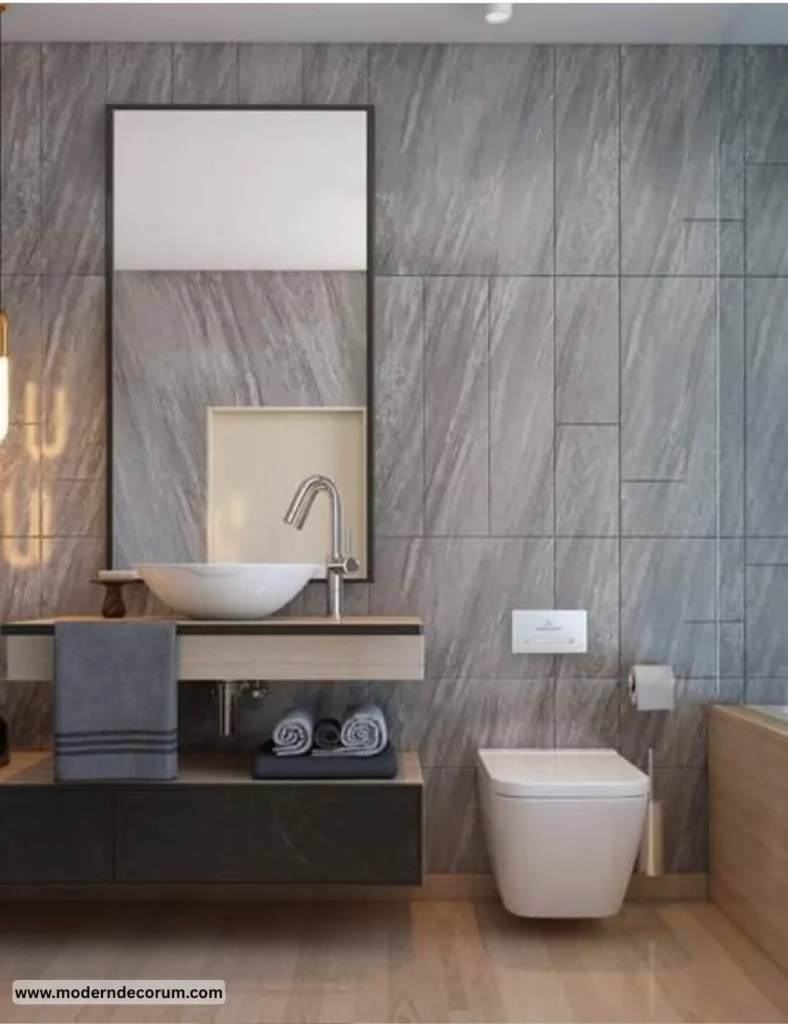
Table of Contents
Why These Indian Bathroom Design Ideas Matter
Indian bathroom designs is experiencing a renaissance that’s capturing global attention—and for good reason. These spaces masterfully blend ancient wellness traditions with contemporary luxury, creating bathrooms that function as personal temples of relaxation and renewal. The result? Interiors that feel both deeply rooted and refreshingly modern.
What makes Indian bathroom design particularly compelling is its holistic approach to wellness. Drawing from Ayurvedic principles and centuries-old bathing rituals, these spaces prioritize natural materials, thoughtful lighting, and elements that engage all the senses. It’s design philosophy that treats the bathroom as a sanctuary for both physical cleansing and spiritual rejuvenation.
Current global trends toward mindful living and wellness-focused design make Indian-inspired bathrooms incredibly relevant. As homeowners seek spaces that offer respite from busy modern life, these design approaches provide time-tested solutions that create genuine tranquility. The emphasis on natural textures, warm colors, and handcrafted elements offers an antidote to sterile, overly minimalist spaces that can feel cold and impersonal.
What You’ll Need
Natural Stone Elements Sandstone, granite, and marble create authentic foundation materials. Premium choice: Hand-carved stone vessels and sculptural elements. Budget alternative: Large-format tiles that mimic natural stone textures with realistic veining and color variation.
Warm Metal Accents Brass fixtures, copper vessels, and bronze hardware add traditional warmth. Sourcing tip: Look for pieces with natural patina or antique finishes that develop beautiful character over time.
Handcrafted Pottery and Ceramics Terra cotta planters, ceramic soap dispensers, and decorative pottery bring artisanal character. Support local artisans through craft fairs and online marketplaces specializing in handmade goods.
Rich Textile Elements Woven baskets, colorful rugs, and embroidered shower curtains add softness and cultural authenticity. Pro tip: Choose quick-dry materials designed for humid environments to maintain beauty and prevent mold.
Aromatic and Wellness Features Essential oil diffusers, copper tongue scrapers, and Ayurvedic bath salts transform routine into ritual. DIY approach: Create your own blend using traditional ingredients like turmeric, neem, and sandalwood.
Tropical Plant Varieties Snake plants, monstera deliciosa, and fiddle leaf figs thrive in bathroom humidity while purifying air. Budget-friendly: Start with easy-care varieties like pothos or ZZ plants that tolerate various light conditions.
Warm Lighting Solutions Moroccan-inspired lanterns, carved wooden sconces, and soft LED strips create layered illumination. Look for fixtures that cast interesting shadows and patterns for added visual texture.
Traditional Storage Solutions Carved wooden cabinets, woven baskets, and copper containers offer beautiful organization. Vintage markets often yield authentic pieces with genuine patina and character.
Decorating Steps
Step 1: Establish Your Color Foundation
Build around warm earth tones—rich terracottas, deep saffrons, and sage greens balanced with creamy whites and natural wood tones. These colors create the perfect backdrop for Indian-inspired elements.
Why it works: Warm colors promote relaxation and complement the natural materials essential to authentic Indian design.
Pro Tip: Use deeper colors as accents rather than dominant wall colors to avoid overwhelming smaller spaces while maintaining sophisticated atmosphere.
Step 2: Introduce Natural Stone Focal Points
Install a statement stone feature—perhaps a carved vanity top, decorative wall panel, or sculptural sink basin. Natural stone becomes the anchor that grounds your entire design concept.
Rationale: Stone connects your space to ancient building traditions while providing durability and timeless beauty that improves with age.
Step 3: Layer Your Lighting Design
Combine ambient lighting through lanterns or sconces with task lighting around mirrors and accent lighting to highlight architectural details or plants.
Pro Tip: Install dimmer switches on all circuits to transition from bright morning routines to soft evening relaxation lighting.
Step 4: Create Your Wellness Station
Designate areas for traditional self-care practices—oil pulling station with copper cups, meditation corner with floor cushions, or skincare area with natural ingredient storage.
Why it matters: Dedicated wellness zones transform daily routines into mindful rituals that honor traditional health practices.
Step 5: Add Living Elements
Incorporate plants at varying heights and scales—from small herb gardens on windowsills to larger statement plants in decorative pots that complement your color scheme.
Pro Tip: Group plants in odd numbers and varying heights for natural, organic arrangements that feel intentional rather than scattered.
Step 6: Install Handcrafted Hardware
Replace standard fixtures with brass or copper pieces featuring traditional motifs, hand-forged textures, or carved details that add artisanal character to functional elements.
Step 7: Incorporate Textile Comfort
Add layers through bath mats, window treatments, and storage baskets in natural fibers like jute, cotton, and bamboo that complement your color palette.
Pro Tip: Choose textiles with natural antimicrobial properties like bamboo or hemp for bathroom durability without sacrificing authentic materials.
Step 8: Curate Meaningful Accessories
Select pottery, vessels, and decorative objects that tell stories—handcrafted pieces from artisan communities or vintage finds with genuine history and character.
Design Tips & Variations
Modern Minimalist Indian Combine clean lines with traditional materials—sleek stone vanities paired with simple brass fixtures and single statement pottery pieces. Less ornate but equally authentic through material choices.
Maximalist Palace Style Layer rich patterns, ornate mirrors, and elaborate metalwork for those who love visual complexity. Mix vintage textiles with contemporary fixtures for eclectic luxury that feels collected over time.
Small Space Solutions Use vertical storage in carved wooden cabinets, incorporate mirrors with decorative frames to expand space perception, and choose dual-purpose furniture like storage ottomans.
Seasonal Wellness Rituals Adapt your space seasonally with different essential oils, plant varieties, and textile colors that align with Ayurvedic seasonal practices—cooling elements for summer, warming spices for winter.
Regional Variations Explore different Indian regional styles—Rajasthani mirror work and bright colors, Kerala’s use of natural wood and coconut materials, or Bengali emphasis on artistic pottery and textiles.
FAQ / Common Challenges
Q: How do I incorporate Indian design without creating a theme park effect? A: Focus on materials and wellness principles rather than obvious decorative motifs. Let natural stone, handcrafted elements, and authentic color palettes create the atmosphere.
Q: Are these design elements practical for daily modern use? A: Absolutely. Choose pieces that serve dual purposes—beautiful storage that’s also functional, natural materials that age gracefully, and fixtures that enhance rather than complicate routines.
Q: How do I maintain natural materials in humid bathroom environments? A: Ensure proper ventilation, seal natural stone appropriately, and choose treated woods or naturally moisture-resistant varieties like teak or bamboo.
Q: Can I mix Indian elements with my existing contemporary bathroom? A: Start with easily changeable elements like textiles, plants, and accessories. Gradually introduce larger pieces like mirrors or lighting fixtures as your style evolves.
Q: Where can I find authentic Indian design pieces? A: Explore local import stores, online artisan marketplaces, antique shops, and directly from craftspeople through fair trade organizations that support traditional makers.
Conclusion & Call to Action
Indian bathroom design offers something our modern world desperately needs—spaces that honor both beauty and wellbeing, combining aesthetic sophistication with genuine functionality. By incorporating these six trending approaches, you’re not just updating your bathroom; you’re creating a daily retreat that nurtures both body and spirit.
These design ideas provide endless possibilities for personalization, whether you prefer subtle nods to Indian aesthetics or full immersion in traditional wellness practices. The key lies in selecting elements that authentically reflect your lifestyle while honoring the cultural wisdom behind these beautiful traditions.
The beauty of Indian-inspired design lies in its adaptability—these concepts work equally well in urban apartments and suburban homes, small powder rooms and spacious master baths. Each element you incorporate brings you closer to creating a space that truly serves as personal sanctuary.
Which of these six Indian bathroom design trends speaks most to your vision of creating a wellness-focused retreat in your own home?