Indoor Outdoor Living Room 2026: Indoor Outdoor Living Room Furniture Layout Tips
Introduction
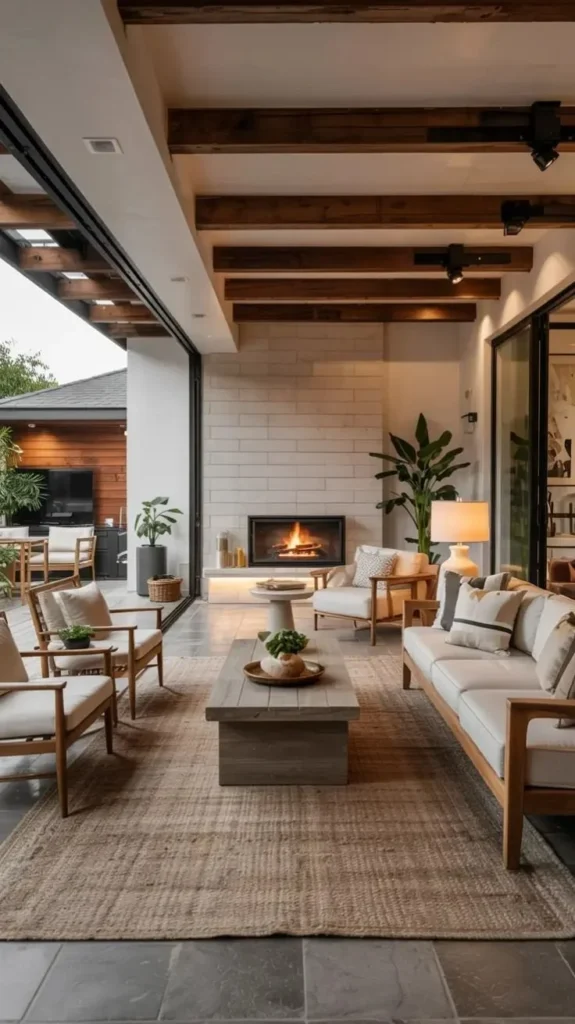
Imagine sliding open a wall of glass to reveal a single, sunlit room that blurs the line between the living room and the garden. The air smells faintly of citrus and cut grass, a woven rug feels warm underfoot, and layered textures—cool concrete, weathered teak, soft linen—invite you to sink into an easy evening. Indoor Outdoor Living Room 2026 is about capturing that breath of freedom inside your home: an effortless flow, a palette that warms and cools at once, and furniture arranged to welcome both quiet mornings and lively gatherings.
This approach matters because our homes are now multifunctional: work zones become play zones; dinner parties spill into late-night lounge sessions. Thoughtful indoor-outdoor furniture layouts make a space adaptable without feeling chaotic. They let personality shine—natural fiber throws, sculptural planters, and low-profile modular seating all contribute to a lifestyle that is relaxed but refined. Whether you crave cozy corners or an open-plan stage for hosting, this aesthetic is a practical upgrade to everyday living.
If you’re doing a seasonal refresh, preparing for a summer barbecue, updating a modern condo, or living in a rental where changes must be temporary, this layout style fits. For renters and budget decorators it’s easy to make big visual impact with a few strategic moves—rearrange seating for flow, add weatherproof textiles, and anchor zones with layered rugs. For inspiration on clean, minimal lines that pair beautifully with indoor-outdoor concepts, try our minimalist furniture resources like this minimalist furniture living room inspo to see how structure and simplicity create room for nature and light.
Style Snapshot
Indoor Outdoor Living Room 2026: Indoor Outdoor Living Room Furniture Layout Tips is primarily a furniture and layout strategy—an intentional arrangement of seating, tables, and textiles designed to extend interior comfort into semi-outdoor or garden-adjacent spaces. It also includes decor elements like lighting, planters, and rugs that read as both indoor and outdoor.
Main style: modern-natural with Scandi and coastal influences. Expect streamlined silhouettes with organic accents.
Typical colors, materials, and textures:
- Colors: warm neutrals (sand, taupe, soft gray), deep greens, ocean blue accents, natural wood tones.
- Materials: teak, rattan, powder-coated aluminum, porcelain tile, outdoor-grade textiles, stone.
- Textures: chunky knits, woven mats, smooth concrete, weathered wood grain.
Best rooms or zones:
- Living room with floor-to-ceiling doors
- Sunroom or enclosed porch
- Open-plan kitchen/living area that opens to a patio
- Home office corner with a balcony
DIY vs. ready-made: mix — easy DIY for textiles and planters; mostly store-bought for key furniture pieces like modular sofas and durable outdoor rugs.
Why It Works
This layout strategy transforms how a room feels and functions. Visually, it opens the sightlines: arranging furniture parallel to openings (patio doors or large windows) creates a natural corridor between inside and out, making the space feel larger. Low-profile seating and transparent side tables maintain airiness; layered rugs anchor each zone without visually dividing the room. Strategic placement of plants and textures softens hard edges and creates focal points that read as continuous with your outdoor landscape.
Emotionally, indoor-outdoor living brings calm and joy. A living room that borrows from the outdoors tends to be less formal and more inviting—perfect for slow mornings with tea, relaxed weekday work calls, or weekend gatherings. Practically, it increases function: weatherproof seating doubles as porch furniture, modular pieces reconfigure for movie nights or dinner parties, and multi-use surfaces serve as dining, work, and display space. Picture a Sunday: sunlight pours through, you rearrange a lightweight coffee table to make room for a board game, and guests drift easily to the terrace for sunset drinks. That flow is what makes this layout timeless and resilient.
Perfect For…
Who benefits most? This idea is ideal for renters who need non-permanent solutions, families who host often, small-apartment dwellers seeking spaciousness, and design beginners who want a big payoff from simple moves. It especially suits anyone who values flexible spaces—people who work from home but also wish for a clear separation between work and rest without erecting walls.
Key strengths include affordability (a few durable, well-placed pieces go a long way), flexibility (modular seating and movable planters adapt to seasons), and timelessness (natural materials age gracefully). For instance, an awkward, dark corner near a sliding door becomes a morning nook with a low lounge chair, a small side table, and a woven lamp—suddenly the space invites coffee and reading rather than collecting clutter. Another common win: a cramped living room with too much heavy furniture can be solved by swapping a bulky sofa for a streamlined sectional and two outdoor-grade armchairs that can be moved outside for summer entertaining.
How to Style Indoor Outdoor Living Room 2026: Indoor Outdoor Living Room Furniture Layout Tips
Ingredients (materials, tools, products)
- Main items:
- Low-profile sectional or modular sofa (weather-resistant options available)
- Pair of lightweight armchairs (rattan, powder-coated metal, or teak)
- Coffee table + small nesting side tables
- Large indoor-outdoor rug (polypropylene or natural fiber for covered spaces)
- Floor or table lamps (water-safe if near doors)
- Optional extras:
- Outdoor-grade throws and cushions
- Potted plants of varying heights (fiddle-leaf fig, palms, herbs)
- String lights or lanterns for evening ambiance
- Planters, trays, decorative bowls and woven baskets
- Tools & small supplies:
- Tape measure
- Painter’s tape or floor markers
- Non-slip rug pad
- Furniture sliders (for easy repositioning)
- Budget substitutions:
- Thrifted wooden coffee table sanded and sealed
- DIY concrete-look side table using a paint kit
- IKEA-style modular pieces for affordability
Directions (step-by-step)
- Measure and map the room. Use painter’s tape on the floor to mark the footprint of your sofa and major pieces before moving anything. This prevents heavy lifting and helps visualize traffic flow.
- Choose a focal axis. Align your main seating to face the view—whether a garden, city skyline, or the room’s fireplace. This creates an immediate indoor-outdoor dialogue.
- Create conversational zones. Place the sofa and chairs in a shallow U or L configuration, leaving a 30–36 inch pathway from the door to the outdoors for easy movement.
- Layer rugs to define areas. Use a large indoor-outdoor rug to anchor the seating; add a smaller textured rug under a side table to add warmth. Make sure at least the front legs of furniture rest on the rug to unify the zone.
- Prioritize durable textiles. Swap delicate fabrics for outdoor-grade cushions or slipcovers in high-traffic homes. Add soft indoor throws for tactile contrast that can be removed when needed.
- Use plants to blur thresholds. Place tall plants by doorways and mid-height pots near seating to visually connect to your exterior greenery.
- Introduce flexible lighting. Combine overhead lighting with table or floor lamps and string lights near outdoor transitions for layered, usable light. Opt for warm bulbs for a cozy evening glow.
- Keep surfaces mobile. Choose lightweight coffee and side tables so you can open the space fully on warm days. Nesting options are ideal for temporary expansion.
- Accessorize with restraint. Use trays, candles, and a couple of artful objects rather than clutter—this allows the outdoor scenery to remain the main attraction.
- Test and adapt. Live with the layout for a week and note friction points—blocked paths, uneven seating sightlines—and tweak accordingly.
Room Setting Inspiration
Bring the concept to life in different areas of your home. In a compact apartment living room with a balcony, place a slimline sofa parallel to balcony doors, add two folding outdoor chairs that can be pulled in for extra guests, and anchor the setup with a washable rug. For a larger open-plan home, use two rugs to delineate a lounge and a dining space, with a row of potted plants acting as a gentle visual divider between the indoor dining table and the patio beyond. If you want to pair with brighter furniture palettes, see our guide to styling white furniture for ideas on contrast and light: explore our bright modern living room white furniture article for tips on pairing white pieces with natural textures.
Pairings to consider:
- Plants + woven baskets to reinforce the natural theme.
- A statement mirror opposite doors to reflect the garden and amplify light.
- Candle clusters and lanterns for evening warmth.
- Side tables topped with trays for easy hosting and clutter control.
Small space idea: Use a daybed or a bench as dual seating and storage, and hang lightweight curtains to create a soft indoor-outdoor border. Large-room idea: Float seating away from the walls to create a true indoor room that flows to the terrace; add an outdoor sofa tipped toward the view for cohesion.
Keeping It Fresh
Maintenance is simple when you choose the right materials. For wood furniture, dust weekly and apply a protective oil or sealant annually for teak and hardwoods exposed to entryway moisture. Metal pieces benefit from a soft wipe with soapy water; dry thoroughly to prevent corrosion. Outdoor textiles are typically stain-resistant—spot clean spills quickly with a mild detergent and machine-wash removable covers as directed.
Dust high-traffic surfaces twice weekly and vacuum rugs weekly. Swap or wash cushions seasonally to prevent odor buildup—store off-season textiles in breathable bags in a cool, dry place to avoid mildew. For seasonal outdoor transitions, rotate plants and accessories: move fragile ceramics indoors before frost and store string lights in labeled bins. To keep the look current, rotate accent pillows and a single art piece annually—small swaps have a big visual effect.
Designer’s Advice
- Scale matters: keep the main seating low and proportionate to door heights so sightlines to the outside remain uninterrupted.
- Layer lighting: pair overheads with task and ambient lights for different moods throughout the day.
- Mix textures, not patterns: combine woven, matte, and glossy finishes to add depth without visual clutter.
- Leave breathing room: maintain at least 30 inches of clear circulation around furniture clusters.
- Prioritize one statement piece—an oversized plant, a sculptural lamp, or a textured rug—to anchor the design.
Style Twists
Minimalist twist: Keep a monochrome palette with a single green accent and choose furniture with slender frames. Use streamlined planters and hide electronics for a serene, gallery-like feel.
Cozy, colorful twist: Add saturated cushions, patterned throws, and terracotta pots. Use warm wood tones and tactile rugs for a layered, lived-in vibe that’s perfect for fall gatherings.
Budget/thrifted twist: Mix thrifted wooden stools, DIY-dyed pillows, and inexpensive outdoor rugs. Refinish a secondhand coffee table and introduce a few prolific houseplants to make the room feel intentional and curated on a budget.
Frequently Asked Questions
Q: How do I match indoor-outdoor furniture with existing pieces? A: Start with color and material echoes—if you have a dark wood dining table, pick seating with similar warm tones or introduce cushions that tie the palette together. Maintain at least one repeated material (woven, wood, metal) across zones for cohesion.
Q: Can this work in a studio apartment? A: Yes. Use rugs to define zones and choose multifunctional furniture like a bench with storage, a foldable table, or lightweight chairs that can be moved outdoors or stacked.
Q: Is this renter-friendly? A: Absolutely. Favor freestanding furniture, temporary hooks for hanging lighting, and rugs instead of permanent flooring changes. Use removable adhesive hooks and non-permanent plant stands.
Q: Where can I find quality items without overspending? A: Look at local markets, secondhand stores, and online marketplaces for durable outdoor furniture and unique planters. Prioritize spend on a comfortable seating piece and supplement with affordable accessories.
Q: How should I clean mixed-material decor? A: Follow material-specific care—wipe metals and glass with a damp cloth, spot-clean textiles, and sanitize high-touch areas. Test cleaners on small, hidden areas first.
Conclusion
Ready to blur the line between your living room and the outdoors? Try these layout tips in your own home and notice how flow, light, and texture transform everyday routines into relaxed, intentional living. Share your photos, questions, or styling wins in the comments—we love seeing how readers make designs their own. For more ideas on materials and planning transitions between indoor and outdoor floors, check this helpful guide to Indoor-Outdoor Tile: Your Complete Guide, and for inspiration on doors and openings that enhance flow, take a look at these patio door ideas for indoor-outdoor living. Explore more decor inspiration on Moderndecorum.com and join our community for seasonal refreshes, tutorials, and trends.