Indoor Outdoor Living Room 2026: Indoor Outdoor Living Room Open To Patio Concepts
Imagine stepping into a living room that breathes — soft linen curtains ripple with a breeze from the patio, woven rugs underfoot feel warm with sun, and the scent of citrus from a terracotta pot mingles with the aroma of fresh coffee. Light pours in through wide glass doors, blurring the line between inside and out; layered seating invites conversation, and textured throws and natural wood anchor the space so it feels lived-in, calm, and celebratory all at once. This is the Indoor Outdoor Living Room 2026: a concept that turns everyday rooms into flexible, luminous places designed for comfort, connection, and seasonal life.
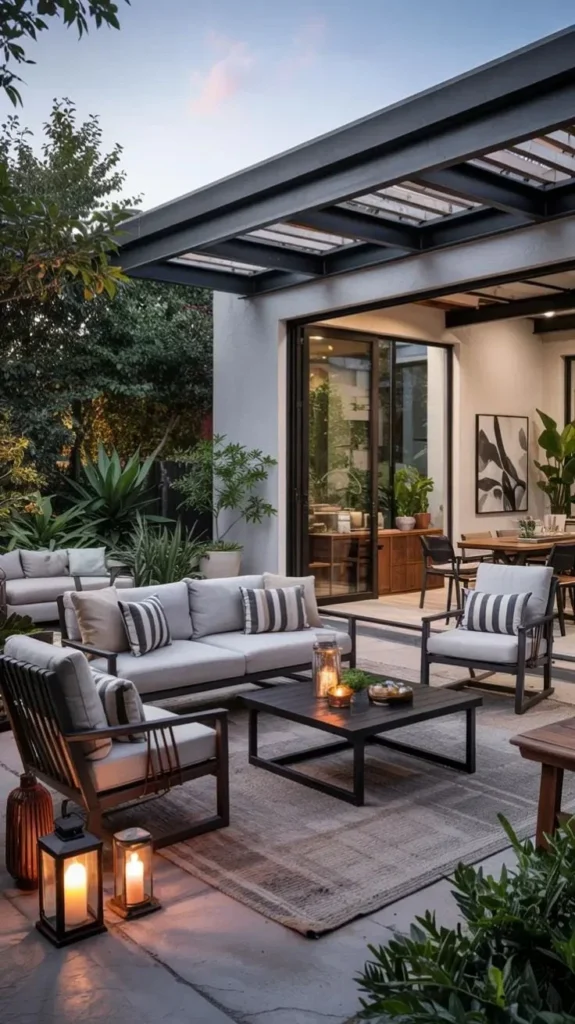
The mood is relaxed but purposeful. Think warm neutrals, soft greens, sun-bleached teak, matte metals, and tactile textiles — all chosen to withstand traffic and weather while feeling cozy and considered. Visual flow is key: the patio becomes an extension of the living room rather than an afterthought. Potted palms, a weatherproof lounge chair, and a low coffee table under a pergola continue the interior palette and textures so the eye moves effortlessly from rug to paver.
This idea matters because homes are more than static showrooms; they’re for living, hosting, working, and pausing. An indoor-outdoor living room elevates everyday routines — mornings with a laptop at the edge of fresh air, impromptu dinners that spill onto the patio, cozy movie nights with a lantern-lit courtyard beyond. Whether you’re aiming for a seasonal refresh, preparing for gatherings, or making renter-friendly improvements, this concept is an accessible way to add value, enjoyment, and personality to real homes. If you’re looking for inspiration on cozy layouts, check out our take on cozy living room ideas for complementary touches that translate beautifully to indoor-outdoor living.
When to use this idea: spring and summer hosting, winter sunrooms that still feel connected to the garden, apartment balconies that function like micro-patios, or a renter-friendly update with modular furniture and layered textiles. It’s excellent for modern updates, small-space efficiency, decorating on a budget, and for anyone who wants their home to feel open, breathable, and ready for friends.
At a Glance
Indoor Outdoor Living Room 2026: Indoor Outdoor Living Room Open To Patio Concepts is a layered décor approach that fuses interior living-room design with patio styling to create a seamless transitional space. It’s not a single item but a curated mix of furniture, textiles, lighting, plants, and layout strategies.
- Item type: Integrated decor concept (furniture, durable textiles, lighting, planters, floor coverings).
- Main style: Contemporary modern with a touch of coastal and Scandinavian warmth — adaptable to minimalist, boho, or rustic tastes.
- Typical colors/materials/textures: Warm neutrals (sand, ivory), sage and muted blues, natural woods (teak, acacia), rattan, woven seagrass, matte metals, weather-resistant fabrics (Sunbrella), stone and textured ceramics.
- Best rooms/zones: Living room with patio access, sunroom, enclosed balcony, open-plan living-dining, home office that opens outdoors.
- DIY vs. store-bought: Mix — ready-made durable outdoor furniture plus DIY styling elements (cushion covers, plant stands, upcycled trays).
Design Impact
Opening a living room to the patio fundamentally changes how a home feels and functions. Visually, it increases perceived square footage: wide doors, coordinated flooring or rugs, and consistent color palettes create a single, extended room. Natural light floods interior corners, reducing the need for harsh overhead lighting and creating soft, shifting shadows that make spaces feel alive. The patio becomes a secondary focal point — a framed view that changes with weather and seasons.
Emotionally, the shift is profound. The connection to the outdoors brings calm and balance; plants and daylight improve mood and cognitive focus, making evenings more restful and work-from-home days more pleasant. Practically, this setup encourages flexible use: a sofa that also serves as lounge seating for a summer party, a sideboard that becomes a buffet surface for outdoor barbecues, and stackable chairs that tuck away when you need more floor space. Picture a Friday night where guests move seamlessly from cocktails inside to a firelit patio — the flow feels effortless and intentional.
Why Choose It
This approach is ideal for people who want a high-design look without sacrificing comfort: renters who need flexible furniture, families seeking durable textiles, urban dwellers looking to maximize balcony square footage, and design lovers who enjoy seasonally rotating layers. The concept’s key strengths are adaptability and longevity — materials and layout choices can evolve (swap cushion covers or rugs seasonally) while the overall structure remains relevant.
A real-life problem it solves: a dark, boxed-in living room with an awkward traffic flow. By aligning seating to face the patio, replacing a heavy coffee table with a low, easy-to-move design, and adding transparent or retractable doors, the room both brightens and becomes far more usable for entertaining. Another win: small apartments gain a ‘third room’ — the patio — simply by creating visual continuity with a coordinated palette and weatherproof textiles.
How to Style Indoor Outdoor Living Room 2026: Indoor Outdoor Living Room Open To Patio Concepts
{ingredients}
- Main items:
- Weather-resistant sectional or modular sofa (teak/metal frame + outdoor cushions)
- Low coffee table (wood, stone, or composite)
- Outdoor rug that complements interior rugs
- Floor-to-ceiling sliding or folding glass doors (or wide single door)
- Planters (terracotta, ceramic, or galvanized metal)
- Layered lighting: string lights, lanterns, floor lamp with outdoor-rated bulb
- Optional extras:
- Throw pillows in washable covers (Sunbrella or indoor washable fabric)
- Woven basket storage, trays, and decorative ceramics
- Portable fire pit or tabletop heater for cooler nights
- Weatherproof curtains for privacy and shade
- Budget-friendly substitutions:
- Thrifted wooden coffee table refinished with outdoor stain
- IKEA-style outdoor cushion covers or slipcovers
- DIY plant stands from crates or concrete blocks
- Solar-powered string lights and lanterns
{directions}
- Start with sightlines: open the doors and look for a visual anchor on the patio (a tree, pergola, or large planter). Align interior seating to face or include that view so the patio reads as part of the room. Tip: position the sofa 2–3 feet from the door to allow traffic flow.
- Unify the palette: choose two main neutrals (warm and cool) and one accent color. For coastal-modern, try sand + slate + muted teal. Use the accent in pillows, planters, or an outdoor rug. Avoid more than three dominant colors to keep the transition seamless.
- Match materials: continue one or two materials across the threshold. For example, use teak furniture inside and out, or pick a stone coffee table and echo stone pavers on the patio. This small repetition tricks the eye into seeing one space.
- Layer rugs: place an indoor rug that stops under the front legs of seating and an outdoor rug that continues from the doorway. This creates a visual bridge — choose similar textures (natural fibers inside, flatweave outside).
- Prioritize durable textiles: invest in washable or outdoor-rated cushion covers. Keep throw blankets in a woven basket that’s easy to move outside for cool evenings. Tip: choose darker undertones for outdoor throws to hide dirt.
- Plan lighting in layers: combine ambient string lights outside with a floor lamp or table lamp inside. Use warm bulbs (2700K–3000K) for cozy evenings. Avoid a single harsh overhead light that competes with the garden mood.
- Incorporate greenery: place tall plants near the door to blur the threshold, and add small potted herbs or succulents on the coffee table. Rotate plants seasonally for variety and to protect sensitive varieties in colder months.
- Create zones: define a dining or bar area distinct from a lounging area by using rugs, different lighting, or furniture scale. Keep walkways at least 30–36 inches wide for comfortable movement during gatherings.
- Accessorize thoughtfully: use trays for drink service, baskets for throws and toys, and weather-resistant ceramics for decor. Keep a storage chest or deck box handy for cushions and throws in wet weather.
- Common mistakes to avoid: overcrowding the doorway with furniture (blocks flow), mismatching color palettes (creates visual friction), and using delicate textiles outdoors (causes premature wear). If a mistake happens, edit ruthlessly — remove one piece and reassess balance.
In case you want a compact example, see our idea for a cozy open-plan living-kitchen layout that translates well to an indoor-outdoor approach: cozy open-kitchen living room idea.
Best Pairings
Use accessories to echo the indoor-outdoor narrative. Pair woven seagrass baskets and terracotta pots with linen pillows and a rustic wooden tray. Mirrors inside facing the patio amplify light and visually double the green beyond. Candles and lanterns create a soft glow; choose citronella candles for summer evenings to keep insects at bay.
- Entryway: a bench with a basket for shoes and a tall plant next to the doorway sets the tone.
- Living room: coordinate a low-profile sectional with a stackable side table that moves outside when you host.
- Dining area: extend the dining surface with an outdoor folding table for al fresco meals.
- Home office: position your desk near the door so breaks can include a quick step outside for fresh air.
Small space idea: use two matching folding chairs and a narrow console that doubles as a tray table to keep the patio functional without clutter. Large open-plan rooms: create distinct but flowing zones by repeating textures and using area rugs to anchor each zone.
How to Maintain
Durability and maintenance are central to this concept. For wood furniture, clean with mild soap and water quarterly and apply a protective oil once or twice a year. Metal frames should be wiped down with a damp cloth to remove salt or dust; address rust spots promptly with light sanding and touch-up paint. For fabrics, follow manufacturer instructions — most outdoor cushions can be spot-cleaned, and many covers are removable and machine-washable.
Dust weekly from indoor surfaces and sweep patio floors regularly to prevent grit tracking inside. Rotate cushions and rugs every few months to prevent sun fading in one area. For seasonal storage, keep textiles in breathable containers and store in a cool, dry place; avoid plastic bins that trap moisture. Replace string lights and bulbs annually or as needed, and store delicate accessories indoors during storms or winter.
Designer’s Advice
- Use odd-number groupings (3 or 5) for decorative objects — it feels balanced and organic.
- Anchor seating around a central rug that visually unites indoor and outdoor furniture.
- Layer light sources: task, ambient, and accent. Warm tones enhance comfort.
- Mix textures — rattan, wool, linen, and metal — to keep the palette interesting without adding color clutter.
- Keep sightlines clear: low-profile furniture near the threshold preserves the view to the patio.
- For renters: choose freestanding planters and modular furniture that won’t damage walls or require permanent changes.
- Don’t over-accessorize the patio; leave pockets of negative space for movement and the natural setting to shine.
Creative Variations
- Minimalist version: streamlined aluminum frames, a monochrome palette (ivory and charcoal), concrete planters, and a single sculptural plant. Clean lines and few accessories keep focus on light and space.
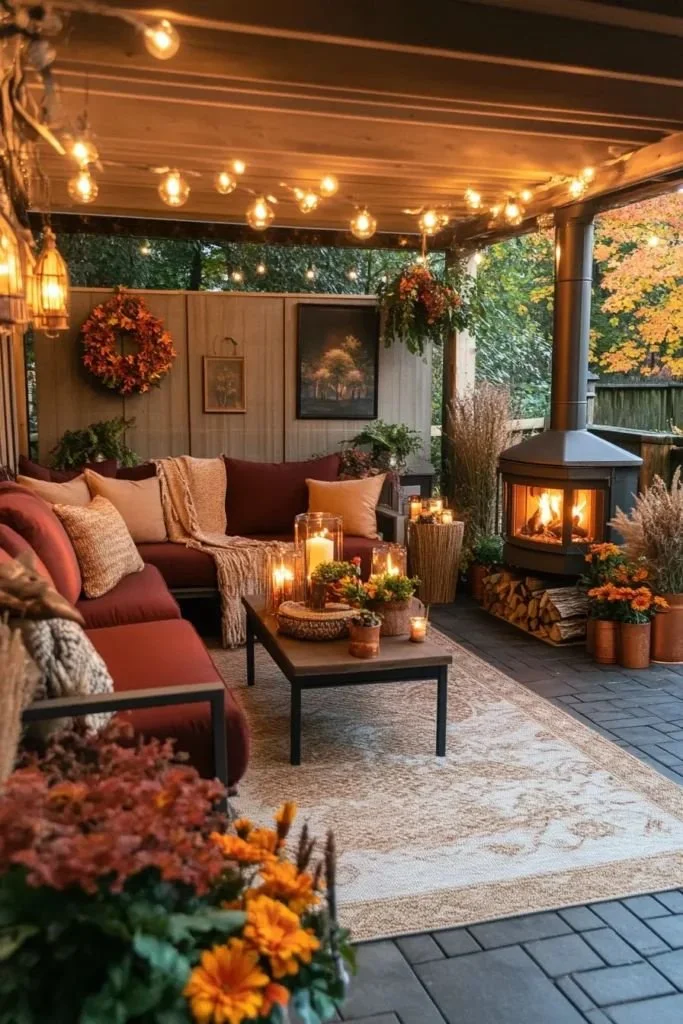
- Cozy, layered version: chunky knit throws, plush outdoor rugs, warm amber lights, and an outdoor fireplace or portable heater for evening gatherings. Perfect for cool-climate patios.
- Budget/thrifted version: refinish a secondhand coffee table, use washable cushion covers over basic foam cushions, repurpose indoor lamps with LED bulbs for covered patios, and group thrifted ceramics for charm without the price tag.
Frequently Asked Questions
Q: Can I match this style with existing furniture that’s a different era or finish?
A: Yes. Unify with a common accent color or a repeated material (e.g., brass accents or wood tones). Small updates like new cushion covers or a coordinating rug can make different eras feel intentional.
Q: Is this renter-friendly?
A: Absolutely. Use freestanding pieces, removable cushion covers, plug-in lighting, and temporary screens or curtains instead of structural changes.
Q: How to adapt for a small balcony?
A: Scale down: choose a slim loveseat, folding chairs, a small table, and vertical planters to maximize floor area. Mirror placement and light colors help expand the perception of space.
Q: Where can I find durable items without overspending?
A: Local garden centers, secondhand stores, and large home retailers offer durable basics. Look for weather-resistant tags, washable textiles, and solid frames.
Q: How should I store seasonal items?
A: Clean and dry textiles before storing in breathable containers in a cool, dry spot. Move delicate ceramics and lights indoors during severe weather.
Conclusion
Ready to bring the outside into your living room this year? Start small — a new rug, a couple of washable cushions, and a plant by the door — then build layers seasonally as you learn what your family uses most. For a deeper look at durable flooring options that bridge indoor and outdoor spaces, read this practical guide on Indoor-Outdoor Tile: Your Complete Guide. If you’re thinking about doors and thresholds that maximize flow and light, this resource on patio door ideas offers great direction.
Try these concepts in your own home, and please share photos, questions, or tips in the comments — we love seeing how readers personalize these ideas. For more inspiration and how-to guides, explore Moderndecorum.com and join our community newsletter for seasonal updates and styling challenges.