Kitchen Backsplash Ideas 2026: Fruit And Herb Illustration Backsplashes For Lively Kitchens
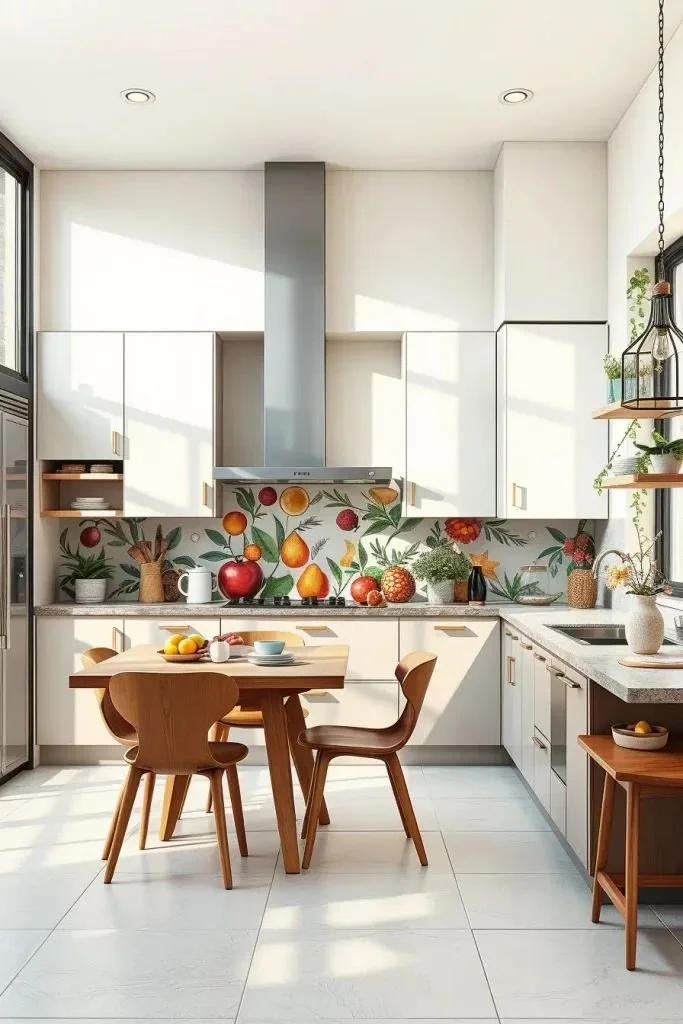
Imagine stepping into a kitchen that smells faintly of basil and citrus before you even touch a cutting board. The backsplash behind the stove is a cheerful parade of hand‑drawn lemons, sprigs of rosemary, and watercolor figs—soft edges, sunlit yellows, chalky greens, and just enough texture to make you reach out and trace a leaf. This is not just a splash of color; it’s a mood-maker. Fruit and herb illustration backsplashes bring a tactile, hand‑crafted warmth that transforms a utilitarian wall into a scene that invites conversation, cooking, and lingering over coffee.
These illustrated backsplashes read like an illustrated cookbook or a well-loved farmers’ market tote—friendly, local, and optimistic. Depending on the finish, they can feel vintage and rustic (matte ceramic tiles with inked drawings), modern and crisp (large-format porcelain panels with minimalist prints), or cozy and layered (peel‑and‑stick tiles over a textured plaster wall). The look is lively and approachable: think soft botanical lines, pops of citrus, and the faint suggestion of herbs left to dry on a string—textures that complement wooden countertops, matte bronze hardware, or cool white cabinets.
Why does this decor idea matter for real homes? Because kitchens are where life happens—weeknight dinners, early‑morning coffee, holiday prep, and casual hosting. A fruit and herb illustration backsplash adds personality without shouting; it tells guests that this household values fresh food, good taste, and a relaxed aesthetic. It also helps anchor the room visually, making the cooking zone feel curated rather than an afterthought. Whether you’re aiming for a seasonal refresh, a renter‑friendly upgrade, or a full modern update, this style provides a tasteful way to refresh the space on almost any budget.
This idea is perfect for a range of moments: a spring or summer seasonal refresh that brings light and optimism into a small kitchen; cozy corners that need a touch of visual interest without being overwhelming; modern updates when you want a single focal wall; rental changes using removable panels or peel‑and‑stick tiles; and economical decorating before gatherings or holidays when you want the kitchen to feel extra welcoming. For a quick mood change, pair it with fresh herbs in terracotta pots and a warm pendant light—instantly inviting.
For more ways to incorporate hand‑painted, artisanal touches in your home, see this piece on hand‑painted furniture ideas.
At a Glance
Fruit and herb illustration backsplashes are a decorative wall treatment—think tiles, panels, or peel‑and‑stick murals—that feature illustrated motifs of fruits (lemons, figs, cherries) and culinary herbs (rosemary, thyme, basil).
- Item type: decorative wall art / backsplash (tiles, printed panels, decals).
- Main style: eclectic modern, farmhouse‑chic, botanical, or rustic‑contemporary.
- Typical colors, materials, textures: soft botanicals in mustard yellow, sage green, terracotta, warm neutrals; materials include ceramic, porcelain, glass, and vinyl; finishes range from matte and textured to glossy and water-resistant.
- Best rooms/zones: kitchen (primary), pantry, breakfast nook, even a small wet bar or laundry room for a playful twist.
- DIY vs. ready‑made: mix—renters can use peel‑and‑stick decals and printed panels (easy DIY); homeowners can opt for professional tile installation or custom printed porcelain (advanced/installed).
Why It Works
Visually, an illustrated fruit and herb backsplash creates a natural focal point that anchors the cooking area. The repeat of organic shapes softens hard surfaces—stainless steel, stone, and wood—and the palette can reflect natural light, making the kitchen feel brighter. A pale lemon pattern can throw a warm glow into a north‑facing room; a cool‑green herb motif can calm a busy open‑plan kitchen. Because illustrations tend to read less intensely than photographic prints, they maintain balance: you get personality without visual clutter.
Emotionally, these backsplashes cultivate a sense of comfort and hospitality. They suggest a kitchen that’s used and loved—where breakfasts are slow and guests linger. For families, the imagery can be playful enough to delight children; for food lovers, it nods to the joy of cooking with fresh ingredients. Practically, when installed as tile or high‑quality panels, they are easy to clean and keep hygienic—ideal for areas behind the stove and sink. In a work‑from‑home apartment where the kitchen doubles as a casual meeting spot or coffee station, this backdrop provides a curated scene that looks great on video calls and in snapshots.
Scenario: On a rainy Sunday evening, warm light from a pendant spills across a backsplash of illustrated oranges. You’re making marmalade while a guest chops herbs; the backsplash becomes part of the moment—bright, uplifting, and mindful of the season.
Perfect For…
Who benefits most from this trend? Renters and beginners will love removable peel‑and‑stick options that make a big impact without permanent changes. Families benefit from the cheerful, resilient materials that stand up to daily life. Small apartments gain personality without sacrificing space—illustrations can visually expand a narrow wall by drawing the eye upward. Design lovers who want a unique yet approachable statement piece will appreciate custom prints on durable panels.
Key strengths include affordability (stickers and panels are cost‑effective), flexibility (easy to change seasonally), and small‑space friendliness (a backsplash can function as art and protection in one). It’s also timeless in the sense that botanical motifs rarely go out of style; they evolve in color and execution with the trends.
Problem solved: a bland subway tile run that makes the kitchen forgettable can be instantly transformed with illustrated tiles or a single printed panel. If an awkward backsplash corner feels too plain, a trailing herb motif draws the eye away from imperfections and toward a cohesive visual story.
Home Styling Guide
{ingredients}
- Main items:
- Peel‑and‑stick illustrated backsplash sheets, printed porcelain tiles, or ceramic tiles with hand‑illustrated patterns.
- Grout and tile adhesive (if using traditional tiles).
- Waterproof silicone sealant (for edges near sink).
- Tools:
- Utility knife, measuring tape, spirit level, tile cutter (if applicable), squeegee for adhesive panels.
- Optional upgrades:
- Under‑cabinet LED strip lighting (warm white).
- Potted herbs (basil, rosemary, thyme) in clay pots.
- Matte metallic hardware (bronze or brushed brass).
- Narrow floating shelf for spice jars or a small herb rail.
- Budget substitutions:
- Printable vinyl sheets from a local print shop or online printables.
- Thrifted ceramic tiles hand‑painted with food‑safe glaze.
- Removable wallpaper with a botanical motif cut to fit backsplash height.
{directions}
- Measure accurately: Measure width and height of backsplash area including outlets. Add 10% extra for mistakes when ordering panels or tiles.
- Choose the finish: For a modern kitchen, pick large porcelain panels with minimalist fruit outlines. For a cozy cottage, opt for matte ceramic tiles with hand‑drawn style patterns.
- Mock up the layout: Lay out a paper template or use painter’s tape to mark the design area—this helps visualize scale and pattern repeat. Place a few sample tiles or printouts to see how motifs align with cabinets and appliances.
- Prep the surface: Clean the wall thoroughly—remove grease, sand glossy surfaces lightly, and ensure it’s dry. For stickers, a smooth, primed surface is essential.
- Start at the center: When installing tiles or panels, begin at the center or main focal point (usually behind the stove) and work outward to ensure symmetry.
- Align patterns carefully: Match repeating illustrations so leaves and fruit seem continuous—small offsets can look sloppy. Use spacers for consistent grout lines if installing tiles.
- Seal edges: Apply silicone sealant where the backsplash meets countertops and around the sink to prevent moisture intrusion.
- Add lighting: Install warm under‑cabinet LED strips to enhance the colors and bring out texture—place them slightly back from the cabinet edge to avoid glare.
- Stage with real herbs: Place a few fresh potted herbs on a shelf or windowsill to echo the backsplash illustrations and provide scent.
- Troubleshoot: For bubbles under peel‑and‑stick panels, lift to the nearest seam and reapply smoothing outward with a squeegee. For mismatched grout color, use a tinted grout pen to blend.
For inspiration that makes your kitchen feel lived‑in and colorful, check our ideas for a cozy breakfast nook at kitchen nook ideas.
Best Pairings
A fruit and herb illustrated backsplash pairs beautifully with natural textures and simple accents that allow the artwork to shine. In an entryway or breakfast corner, mirror the palette with a woven rug and a wooden bench topped with a citrus‑colored throw. In a dining area, choose tableware in matte ceramic and glass carafes to complement the illustrations without competing.
- Living room or open‑plan kitchen: Use neutral sofas and a patterned rug that picks up a single color from the backsplash (sage green or mustard). Add brass accents in lamps or cabinet pulls.
- Small spaces: Keep cabinetry light and install a single illustrated panel behind an open shelf to create depth without overwhelming the room.
- Larger kitchens: Consider repeating the motif on a small island face or on floating shelves to create continuity in an open plan.
- Pairings: terracotta pots, linen napkins, wooden cutting boards, clear glass jars, and woven baskets.
Small space idea: Use one narrow vertical strip of illustrated panels behind a compact coffee station to create a focal moment without using wall real estate. Large room idea: Extend the motif across a long run behind the stove and sink, and repeat it subtly on a framed print over the sideboard.
Care Instructions
Cleaning depends on your material choice. For ceramic and porcelain tiles, use mild dish soap and warm water; avoid abrasive pads that can dull glazes. Wipe down glossy panels with a microfiber cloth and a gentle glass cleaner. For peel‑and‑stick vinyl, avoid strong solvents—wipe with a damp cloth and a mild soap solution. Always test a small, hidden area first.
Dust potted herbs and any open shelving weekly; deep‑clean tiles and panels monthly or after heavy cooking. Reapply silicone seams every couple of years if you notice wear near the sink. For seasonal storage (if you swap panels), roll printed vinyl gently and store flat in a cool, dry place away from direct sunlight to prevent fading.
To keep the look fresh over time, rotate small accessories—change the pot color or swap dish towels seasonally—and occasionally replace a single tile or panel rather than redoing the entire backsplash for an economical refresh.
Designer’s Advice
- Scale matters: choose illustrations sized to the height of your backsplash—large motifs for tall runs, small repeat patterns for narrow strips.
- Layer lighting: combine under‑cabinet LEDs with a warm pendant above an island for depth and ambiance.
- Anchor with neutrals: let the backsplash be the star by keeping large surfaces (cabinet faces, countertops) in calming neutrals.
- Match metals intentionally: pick one finish for hardware and light fixtures to avoid visual clutter.
- Echo the palette: bring one or two backsplash colors into soft furnishings like rugs or cushions to tie rooms together.
- Use real herbs: living plants reinforce the theme and supply fresh ingredients—plus they make the space smell wonderful.
- Avoid overcrowding: if the backsplash is busy, keep open shelving simple—one row of neatly spaced jars or a single framed print.
Style Twists
- Minimalist twist: Large-format porcelain panel with simple black ink lemon outlines on a white field. Pairs with sleek matte cabinetry and chrome hardware for a modern look.
- Cozy, cottage twist: Hand‑painted ceramic tiles with warm mustard lemons and soft sage leaves. Pair with open wooden shelving and vintage copper pots for a lived‑in feel.
- Budget twist: Printable vinyl sheets applied to a smooth plywood backing—finished with a thin coat of clear water‑resistant sealant. Affordable, removable, and easy to update seasonally.
For holidays or parties, swap in seasonal accents—a garland of dried citrus for winter or a string of fairy lights for summer gatherings—to make the backsplash part of your entertaining decor.
Frequently Asked Questions
Q: How do I match an illustrated backsplash with existing furniture?
A: Pull one or two colors from the illustration and repeat them in textiles or small decor. If your furniture is bold, choose a subtler backsplash print to balance the room.
Q: Is this idea renter‑friendly?
A: Yes—peel‑and‑stick panels and removable wallpaper make it easy to install without permanent changes. Use temporary adhesive hooks for shelves and avoid drilling into rental walls.
Q: Can I adapt the design for a small apartment?
A: Absolutely. Use a single panel behind a compact coffee station or a narrow strip behind the stove to add personality without using much space.
Q: Where can I find quality illustrated panels affordably?
A: Look for local print shops that can print on vinyl or consult makers who sell repeat‑pattern tiles and peel‑and‑stick sheets online and at artisan markets.
Q: How should I store seasonal panels?
A: Roll vinyl panels with the print outward around a tube and keep in a dry, cool place. For ceramic tiles, store in padded boxes with paper dividers to prevent chipping.
Conclusion
Fruit and herb illustration backsplashes are a joyful, versatile way to bring personality and warmth into the heart of the home. Whether you prefer a minimalist lemon outline or a lush, hand‑drawn herb medley, this trend adapts to budgets and space sizes, delivering a functional art piece that makes everyday moments feel special. Try a removable panel for a renter‑friendly refresh or invest in custom tiles for a long‑term statement—either way, you’ll add color, texture, and a hint of invitation to every meal.
For farmhouse‑inspired warmth and additional ideas that pair beautifully with an illustrated backsplash, explore this collection of 51 Farmhouse Kitchens Ideas That Bring the Warmth | HGTV. If you want a feel for colorful, lived‑in kitchen inspiration and aesthetic layouts, check out this visual tour: Tour My Colorful Kitchen: Aesthetic Inspiration.
Love this look? Share photos, questions, or your own tweaks in the comments below, and be sure to explore more ideas and community tips on Moderndecorum.com.