Kitchen Backsplash Ideas 2026: Nature-Inspired Stone Texture Backsplashes For Organic Style
Introduction
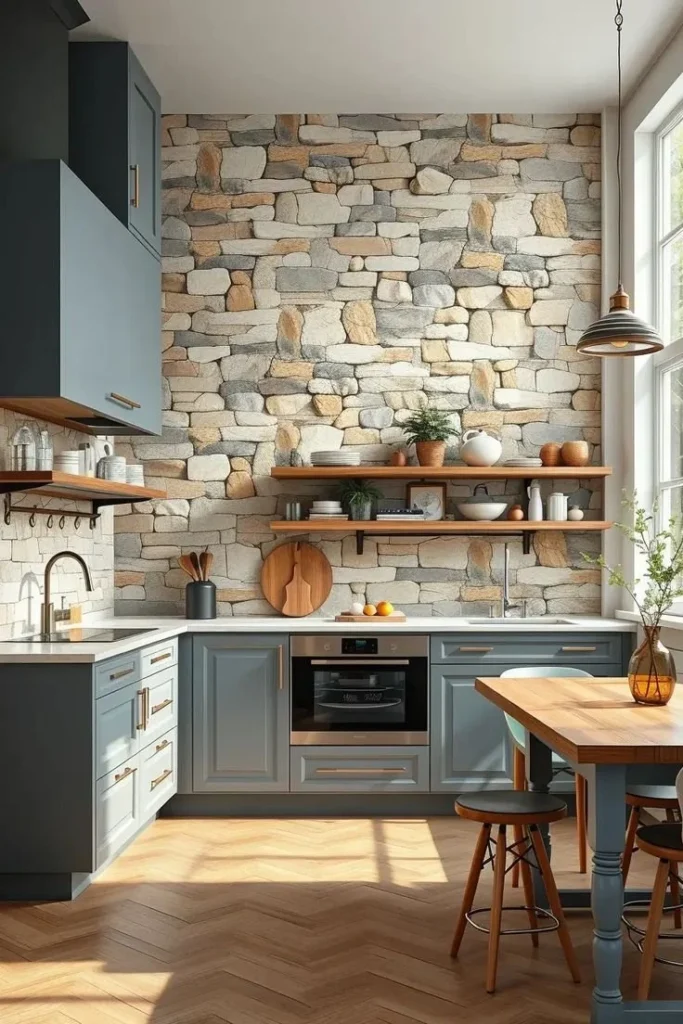
Imagine stepping into a kitchen where the backsplash reads like a quiet cliff face — muted striations of greige, soft mossy greens, and warm sandstone running horizontally behind the stove. The surface isn’t flat; it invites touch with subtly raised veins, grainy pits, and a matte finish that diffuses light instead of reflecting it. In 2026, the most compelling kitchen backdrops aren’t glossy tiles or loud patterns, but stone-textured surfaces that bring the outdoors in: tactile, lived-in, and reassuringly organic.
This trend matters because kitchens are no longer just for cooking; they’re our morning refuge, a place to slow down, gather, and host. A nature-inspired stone texture backsplash sets a mood — one of warmth and calm — that supports everything from quiet weekday coffees to lively holiday dinners. The visual weight of stone anchors cabinetry and countertops, while the layered textures create an approachable sophistication that feels both modern and timeless.
Nature-inspired stone textures are perfect for a seasonal refresh when you want to shift a room’s aura without a full remodel. They work beautifully in cozy corners and breakfast nooks, and they’re an elegant update for modern kitchens craving more organic character. Even renters and budget-conscious decorators can mimic the look with removable panels or textured tiles, so you can prepare your space for gatherings, holidays, or quiet evenings without breaking the bank. For inspiration on transforming small dining areas into cozy havens that complement this look, check out this guide to kitchen nook ideas.
Section 1 — Decor Information
What this is: Nature-Inspired Stone Texture Backsplashes are a decor element — a functional wall covering — that mimics or uses real stone textures to achieve an organic, tactile backdrop behind sinks, ranges, and counters.
Main style: Organic modern with strong Scandinavian and rustic influences; adaptable to minimalist, boho, and coastal schemes.
Typical colors, materials, and textures:
- Colors: warm greige, soft taupe, moss green, sandy beige, smoky charcoal.
- Materials: natural stone slabs, textured porcelain tile, engineered stone panels, concrete-look tiles, and 3D textured panels that emulate stone.
- Textures: matte, riven (split-face), honed with slight undulation, and hand-sculpted relief.
Best rooms/zones:
- Primary: kitchen (backsplash, behind island seating).
- Also works beautifully in breakfast nooks, mudrooms, pantry feature walls, and even bathroom vanities.
DIY vs. store-bought:
- Mix: many formats are store-bought (tiles, panels, slabs), but there are accessible DIY options (peel-and-stick textured tiles, stone-effect plaster) for hands-on decorators.
Section 2 — Design Impact
Design Impact
A stone-textured backsplash has immediate visual impact: it creates a grounded focal point that balances glossy appliances and sleek cabinetry. Matte, tactile surfaces diffuse overhead light, producing softer shadows that read as depth rather than flat contrast. In compact kitchens, a continuous stone-look backsplash can visually extend the countertop plane, creating flow between prep areas and dining nooks. In open-plan layouts, the textured stone provides an anchoring backdrop that helps define the kitchen zone without erecting visual barriers.
Emotionally, the texture and muted palette foster a sense of calm and comfort. The irregularities in stone read as authentic — they remind us of outdoor spaces, which can reduce visual fatigue and make daily routines feel less clinical. Practically, choosing stone or stone-look materials can simplify maintenance: many porcelain tiles mimic stone but resist stains and are easy to wipe; engineered slabs reduce grout lines and make cleaning quick. Picture a relaxed weekend morning: sunlight pools on a honed stone surface, the coffee machine hums, and the backsplash’s tactile grain invites a hand to trace a familiar pattern — small sensory routines that make a house feel like home.
Section 3 — Why Choose It
Why Choose It
This backsplash idea is excellent for anyone who wants long-lasting style without fuss. It’s ideal for homeowners who enjoy a subtle, sophisticated aesthetic: families who need durable surfaces, design lovers seeking texture, and renters looking for removable options that scale from apartments to larger houses. For small-space dwellers, stone textures add visual richness without heavy color, making compact layouts feel curated and intentional.
Key strengths include affordability and flexibility. A full natural stone slab may be a premium choice, but textured porcelain and textured panels give the same tactile impression for less. The look is also timeless — stone has been used in interiors for centuries — so it resists fleeting trends. One common problem this solves is a bland, reflective backsplash that highlights smudges and splatters. Swap that for a textured stone surface and your kitchen suddenly looks cohesive; minor stains blend into the natural variation, and the surface reads as lived-in rather than worn.
Section 4 — How to Style Kitchen Backsplash Ideas 2026: Nature-Inspired Stone Texture Backsplashes For Organic Style
Home Styling Guide
Ingredients (materials, tools, products)
- Main items:
- Textured porcelain tiles, engineered stone slab, or peel-and-stick textured panels in stone finishes.
- Waterproof adhesive or thinset mortar (per product instructions).
- Grout (if tiling) in a matching or slightly contrasting tone.
- Sealer for natural stone.
- Tile spacers, trowel, grout float, tile saw (or wet saw rental).
- Optional extras:
- Under-cabinet LED strip lights (warm white, dimmable).
- Floating shelves in reclaimed wood.
- Potted herbs, trailing pothos, or small succulents.
- Cast iron or ceramic cookware for display.
- Woven baskets, natural fiber rugs, and linen textiles.
- Budget-friendly substitutions:
- Textured vinyl backsplash panels or peel-and-stick tiles instead of porcelain.
- Faux-stone plaster applied over existing tiles by a local contractor.
- Reclaimed stone remnants from salvage yards for a rustic patchwork look.
Directions (step-by-step)
- Measure and plan: Measure the backsplash area height and width; calculate 10–15% extra for cuts and waste. Tip: add a small sample board or swatch area near the stove to observe how light interacts with the texture at different times of day.
- Choose finish based on lighting: For north-facing or low-light kitchens, pick slightly warmer stone tones to add warmth; for bright, south-facing kitchens, cooler greys can read modern and crisp.
- Prepare the wall: Remove outlet covers, clean grease and dust, and ensure a flat substrate. Small irregularities show with textured materials, so patch and prime plasterboard as needed.
- Layout dry run: Lay tiles or panels on the counter to visualize patterning and cuts. Avoid placing small slivers at edges — aim for balanced margins. For natural stone slabs, clamp and mark cut lines carefully.
- Install backerboard if needed: For heavy tiles or slabs, install cement backerboard to ensure stability. Use corrosion-resistant screws and tape seams.
- Apply adhesive and set tiles/panels: Follow manufacturer instructions for adhesive type and open time. Use spacers for consistent grout lines or butt-joint panels for a seamless look.
- Grout and seal: For tiled installations, grout after adhesive cures; choose a sanded grout for wider joints. Seal natural stone within 48–72 hours and re-seal annually (or per product guidance).
- Add lighting: Install warm under-cabinet LED strips to highlight texture and create depth; dimmers help transition from task lighting to ambient mood.
- Style with layers: After installation, accessorize with wooden cutting boards, terracotta pots, brass hardware accents, and neutral linens. Keep clutter minimal to let the texture be the hero.
- Common mistakes and fixes: Don’t rush layout — poor planning leads to mismatched seams. If color seems too uniform, introduce a floating shelf with plants or artisanal pottery to add contrast. For grout haze, use a damp sponge and rinse often during cleanup.
Section 5 — Showcasing Ideas
Presentation Tips
A stone-texture backsplash can be showcased in many rooms beyond the kitchen. In an entryway, a short backsplash behind a console table creates an instant anchor for keys and mail. In a small home office, a swatch of stone behind a shelf adds a tactile backdrop to video-call framing and makes a workspace feel cultivated. For bathroom vanities, smaller stone tiles bring spa-like calm.
Pairings that work:
- Plants: trailing pothos or rosemary in terracotta pots soften stone’s hardness.
- Textiles: neutral linen towels, woven runner rugs, or seat cushions in muted greens and ochres.
- Metals: brushed brass or matte black fixtures provide elegant contrast without overpowering texture.
- Wood: warm-toned open shelving or butcher-block counters introduce human scale and complement stone grain.
Small-space idea:
- Use a narrow horizontal band of textured tile just behind open shelving to suggest depth without overwhelming a compact kitchen.
Large open-plan idea:
- Extend the stone-look backsplash vertically to the ceiling behind a range wall to create a dramatic feature that ties together island seating and dining areas. For inspiration on connecting adjacent cozy areas like a breakfast nook to this design, see this kitchen nook styling guide.
Section 6 — How to Maintain
Keeping It Fresh
Clean textured stone-look materials with gentle, non-abrasive cleaners and a soft microfiber cloth to avoid wearing down finishes. For natural stone, use pH-neutral stone cleaners and avoid acidic solutions that can etch surfaces. Wipe up splashes promptly in high-use areas like behind the stove.
Dust and refresh weekly near cooking zones; deep clean tiles and grout quarterly with a soft brush and baking-soda paste for stubborn spots (test a hidden area first). For peel-and-stick options, avoid steam cleaners as heat and moisture may loosen adhesives. Store seasonal accents (candles, decorative trays) in breathable bins away from direct sunlight to prevent fading — rotate textiles and greenery each season to refresh the palette without a full overhaul.
Section 7 — Decor Expert Tips
Designer’s Advice
- Balance is everything: pair heavy texture with smooth, matte cabinetry to prevent the room from reading too busy.
- Lighting trick: install warm (2700–3000K) under-cabinet LEDs to accentuate texture and create cozy evening ambiance.
- Scale rule: larger tiles or slab panels suit wide expanses; small, textured tiles work better in compact areas for visual interest without overwhelming.
- Mix metals sparingly: one dominant metal and one accent metal (e.g., brass knobs with matte black faucet) keep cohesion.
- Plant placement: place one trailing plant near the sink and a low herb pot on the sill to echo natural tones.
- Pattern restraint: avoid heavy printed patterns nearby; let the stone’s natural variation be the focal texture.
- Maintenance foresight: choose grout and sealers that match your lifestyle — busy families benefit from darker grout and sealed surfaces.
Section 8 — Creative Variations
Style Twists
Minimalist: Choose large-format, honed porcelain slabs in soft grey with near-seamless joins and matte black fixtures for a restrained, Scandinavian-inspired kitchen.
Cozy rustic: Use riven split-face tiles or mixed reclaimed stone for a textured, layered wall; pair with warm wood shelves, open hooks, and woven baskets for a farmhouse feel.
Budget-friendly: Apply a plaster-based stone-effect finish over existing tiles and add peel-and-stick stone-look panels behind the range for a convincing, low-cost textured backdrop.
Section 9 — Frequently Asked Questions
Decor Q&A
Q: How do I match a stone-texture backsplash with existing cabinetry?
A: Sample swatches near your cabinets in different light. If cabinets are warm wood, choose stone with warm undertones (beige, honey); for cool white or grey cabinetry, cool greys and soft greige work well.
Q: Is this idea renter-friendly?
A: Yes — peel-and-stick textured tiles and removable panels offer a convincing look without permanent alteration. Always check lease terms before installation.
Q: What’s the best option for a small apartment?
A: Use smaller areas of textured tile as a focal band or behind open shelves; keep surrounding walls light to avoid closing in the space.
Q: Where can I find quality products affordably?
A: Look for textured porcelain tiles and engineered stone at local tile centers or salvage yards for remnant slabs; many online marketplaces also feature budget-friendly panels.
Q: How should I store seasonal accessories?
A: Store textiles in breathable cotton bags, keep ceramics wrapped in acid-free paper, and rotate them seasonally to preserve color and finish.
Conclusion
Ready to bring a tactile, nature-infused statement to your kitchen? Nature-inspired stone texture backsplashes offer the calm, timeless backdrop today’s homes crave — whether you choose full slabs, textured porcelain, or a clever peel-and-stick solution. For an overview of the broader trends shaping tile choices this year, explore Kitchen and Bathroom Tile Trends for 2026 and learn more about selecting the right materials in How to Choose the Perfect Designer Tile for Your Kitchen Backsplash.
Try this look in your home, and share photos or questions below — we’d love to see how you make stone textures your own. For more ideas, stay connected with Moderndecorum.com and our community.