Table of Contents
Enhance Your Space With Layered Lighting: A Home Decoration Guide
LAYER LIGHTING is more than just a way to brighten your home—it’s a design strategy that transforms spaces into warm, inviting sanctuaries. By combining different light sources, this concept goes beyond functionality and becomes an art form, framing and enhancing every element of your interior.
A well-executed layered lighting plan not only enriches aesthetics but also creates an atmosphere that boosts mood, productivity, and overall lifestyle. From ambient and task lighting to accent fixtures, each layer works together to balance beauty with practicality. In this article, we’ll explore why layered lighting matters, what you’ll need to achieve it, practical steps for execution, and tips to personalize your space with style.
Why This Decor Idea Matters
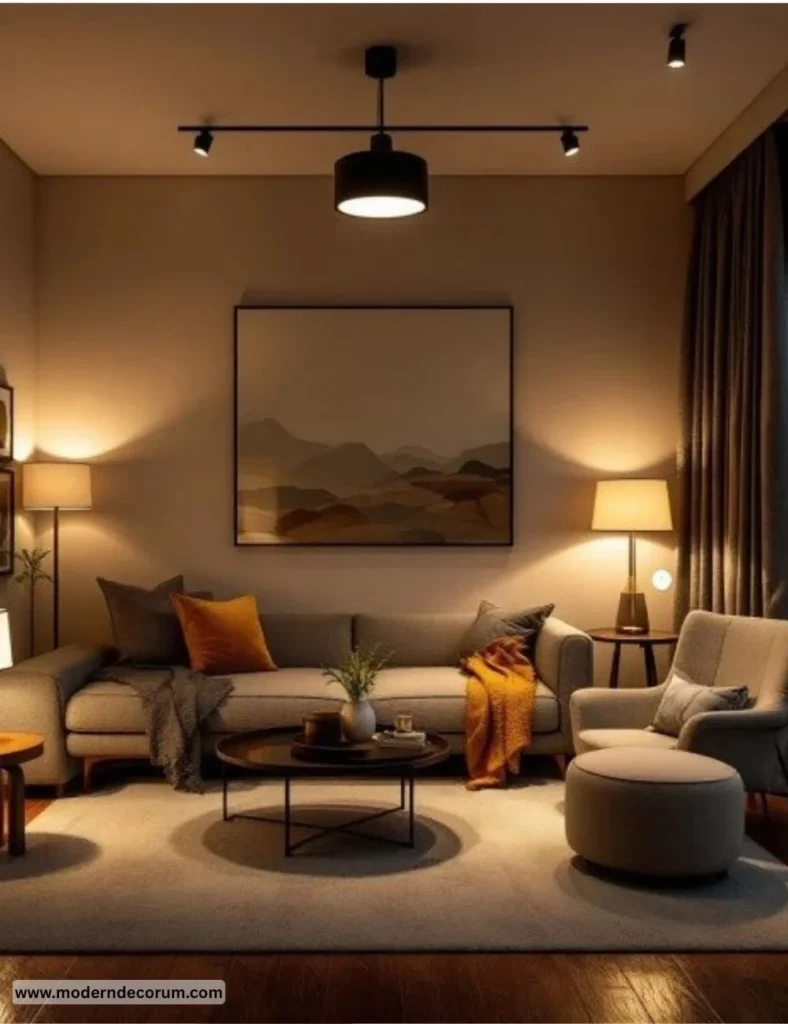
Layered lighting is essential in achieving a balanced and inviting environment. This approach combines various types of lighting – ambient, task, and accent – to create depth, enhance textures, and highlight your favorite decor elements.
- Mood Enhancement: The right lighting can significantly affect how you feel in a space. Soft, warm light can create a cozy atmosphere, while bright white light can energize and focus.
- Current Trends: As more homeowners invest in personalized spaces, layered lighting is becoming a vital aspect of interior design, showcasing creativity and sophistication.
- Lifestyle Improvements: Layered lighting allows you to adapt your home to your needs, whether it’s a tranquil oasis for relaxation or a lively setting for entertaining.
What You’ll Need
To create your own layered lighting masterpiece, gather the following materials:
- Ambient Lighting: This is the primary source of light in a room, usually from overhead fixtures.
- Purpose: Sets the general illumination.
- Budget-friendly Option: Choose flush mounts or pendant lights from budget supply stores.
- High-End Alternative: Consider designer chandeliers or smart ceiling fixtures.
- Sourcing Tips: Check out local thrift stores, yard sales, or online marketplaces for unique pieces.
- Task Lighting: Essential for specific activities like reading, cooking, or working.
- Purpose: Provides focused light where you need it most.
- Budget-friendly Option: Use simple desk lamps or clip-on lights.
- High-End Alternative: Invest in adjustable floor or table lamps with smart technology.
- Sourcing Tips: Look towards versatile models available at retail chain stores.
- Accent Lighting: Highlights features such as artwork or architectural details.
- Purpose: Adds visual interest and depth.
- Budget-friendly Option: Use string lights or wall sconces.
- High-End Alternative: Opt for track lighting or designer spotlights.
- Sourcing Tips: Utilize online retailers’ sales, or consider handmade options from local artisans.
Decorating Steps
Step 1: Choose Your Color Palette
Action: Decide on a color scheme that complements your space.
Rationale: The color of your lighting can drastically alter the atmosphere. Warm whites create a cozy feel, while cool tones offer a modern, polished look.
Pro Tips: Test how different bulbs look in your space before settling. Consider dimmable options for versatility.
Step 2: Establish Your Ambient Lighting
Action: Install your primary light fixture and ensure it’s centrally located.
Rationale: Good ambient lighting sets the foundation for layering effectively. It should adequately illuminate the entire room without harsh shadows.
Pro Tips: Use multiple fixtures to disperse light evenly. Retrain from one large fixture that can create stark contrasts.
Step 3: Introduce Task Lighting
Action: Place task lights near areas where activities occur.
Rationale: Practical lighting is crucial for functionality. Consider placement based on everyday tasks; for instance, a lamp beside your reading chair.
Pro Tips: Select adjustable task lighting to direct light where it’s needed, avoiding glare on screens or surfaces.
Step 4: Add Accent Lighting
Action: Position accent lights to highlight art or architectural details.
Rationale: Accent lighting adds depth and a focal point, creating a layered effect that enhances the overall character of the room.
Pro Tips: Use dimmable or color-changing LED lights for versatility, allowing you to adjust mood effortlessly.
Step 5: Play with Lighting Controls
Action: Install dimmers or smart controls.
Rationale: The ability to modify light intensity fosters adaptability, allowing your space to transition from day to night seamlessly.
Pro Tips: Smart home integrations can optimize energy use while providing an effortless lighting experience through mobile apps.
Design Tips & Variations
Styling Tweaks
- Color Accents: Use colored bulbs or tinted lampshades to infuse personality without overwhelming your initial design.
- Layering Textures: Experiment with different finishes like matte, glossy, and metallic to add richness.
Seasonal Shifts
- Summer Style: Focus on bright, airy lighting that reflects the long days of summer. Natural light should take precedence, with light-filtering shades.
- Winter Warmth: Embrace soft, warm lighting tones to create a cocooning atmosphere during the colder months.
Personal Touches
- Artwork: Incorporate string lights or spotlights to frame art pieces and sculptures.
- Plants: Add plant-specific lighting for indoor gardening enthusiasts to amplify green touches.
FAQ / Common Challenges
Q: How do I adapt this style for a small room?
A: Use a combination of wall-mounted fixtures and mirrors to create an illusion of space while ensuring ample light. Keep your ambient lighting soft to avoid overcrowding.
Q: What if my ceilings are too low for hanging fixtures?
A: Opt for flush mounts or recessed lighting combined with accent floor lamps to maintain height perception without compromising on light.
Conclusion & Call to Action
Layered lighting is a transformative concept that breathes life into any space, marrying beauty with practicality. You’ve learned how to enhance your ambiance, focus light where needed, and accentuate your home’s best features. Now, take a moment to reflect on your own space. Which room will you transform first? We invite you to experiment with layering lighting and share your creations with us. Embrace the artistry of lighting—your home will thank you!