Table of Contents
Why This Decor Idea Matters
WALL DECOR in home design goes beyond mere background—it has the power to set the tone for an entire room. One of the most sophisticated yet approachable ways to elevate your living space is by creating an art stack. Unlike sprawling gallery walls, an art stack arranges framed pieces vertically, instantly adding structure, style, and visual interest.
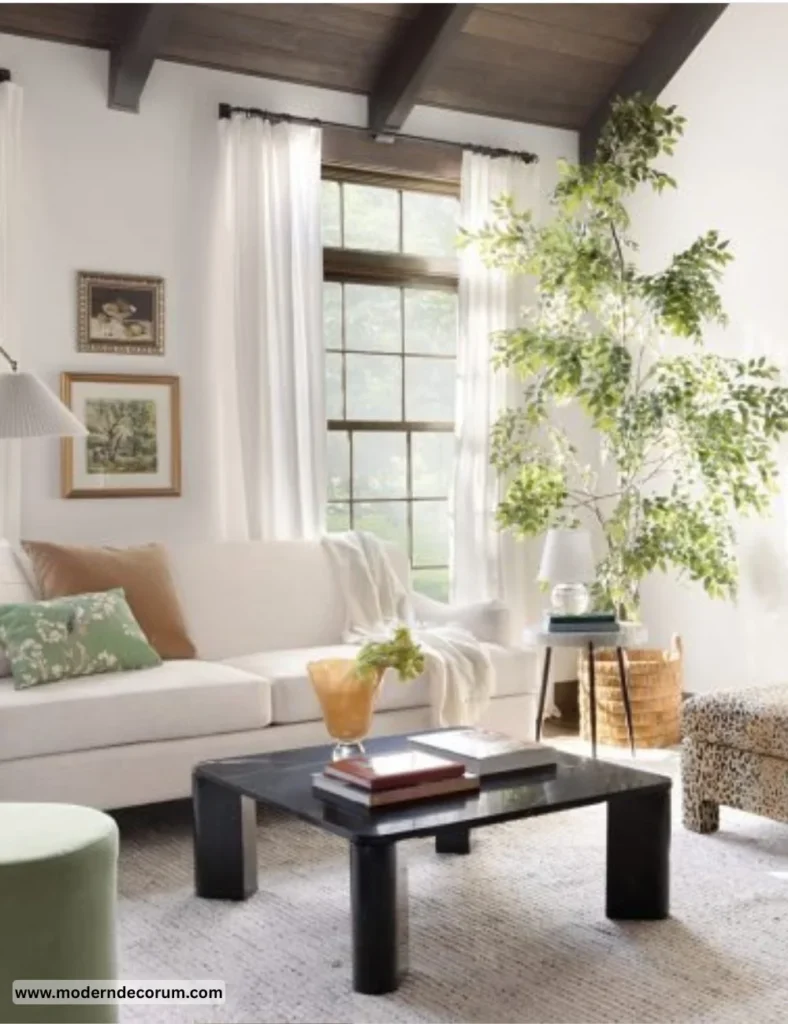
Art stacks work especially well in living rooms, where walls can often feel either too bare or overly cluttered. This vertical arrangement draws the eye upward, adding height and dimension while establishing a focal point. Whether you choose minimal prints, family photos, or eclectic artwork, stacking pieces creates a polished look without overwhelming the space.
As 2025 trends continue to favor curated, personalized interiors, the art stack strikes the perfect balance between modern minimalism and expressive individuality. It’s a versatile design strategy that enhances both small apartments and spacious homes alike.
What You’ll Need
Creating an art stack doesn’t require a professional installer—just a few essentials and a touch of creativity:
- Frames
- Purpose: The foundation of your art stack. Frames unify different artworks and create cohesion.
- Options: Choose sleek black or white frames for modern style, or wooden ones for warmth.
- Budget Tip: Thrift shops and IKEA are great for affordable frames, while specialty shops offer museum-quality options.
- Artwork or Photographs
- Purpose: The soul of your stack. This could be prints, paintings, sketches, or personal photography.
- Options: Mix sizes and mediums for interest, or keep it consistent for a minimalist approach.
- Sourcing Tip: Etsy, local artists, or even DIY prints can make your stack affordable yet unique.
- Measuring Tape & Level
- Purpose: Ensure proper alignment and spacing.
- Tip: Even small misalignments can disrupt the polished look.
- Wall Anchors or Picture Hanging Strips
- Purpose: Keep artwork secure without damaging walls.
- Options: Adhesive strips for rentals, anchors for heavier frames.
- Optional Styling Base
- Purpose: Position your art stack above a console table, sideboard, or sofa to ground the display.
- Tip: Layer the design with lamps, vases, or plants for extra depth.
Decorating Steps
Step 1: Choose Your Wall
- Action: Select a wall that feels empty or needs emphasis—such as behind a sofa, next to a window, or by a fireplace.
- Rationale: The right location makes the stack feel intentional, not random.
- Pro Tip: Tall, narrow walls are ideal since the vertical stack enhances their shape.
Step 2: Select Artwork
- Action: Pick 2–5 pieces that complement each other. Vary themes, but keep a cohesive palette.
- Rationale: Consistency ties the stack together, while variety adds interest.
- Pro Tip: If in doubt, go with black-and-white prints—they’re timeless and versatile.
Step 3: Plan the Layout
- Action: Lay frames on the floor and experiment with spacing before hanging.
- Rationale: This helps visualize the arrangement and avoid unnecessary holes.
- Pro Tip: Leave equal gaps (about 2–4 inches) between each piece for balance.
Step 4: Hang the First Piece at Eye Level
- Action: Position the center of the lowest frame around 57–60 inches from the floor.
- Rationale: Eye-level placement ensures the stack feels natural in the space.
- Pro Tip: Work upward from the first frame, using a level for alignment.
Step 5: Style the Surroundings
- Action: Add complementary décor nearby—a side table, floor lamp, or tall plant.
- Rationale: Supporting elements make the art stack feel integrated into the room.
- Pro Tip: Avoid overcrowding—let the art stack remain the star.
Design Tips & Variations
- Mixing Mediums: Pair photography with abstract prints or sketches for layered personality.
- Frame Play: Try mismatched frames for an eclectic vibe, or identical ones for clean minimalism.
- Seasonal Refresh:
- Spring/Summer: Light, colorful prints or botanical sketches.
- Fall/Winter: Deeper tones, moody photography, or cozy textile art.
- Scale It Up: Large art stacks with oversized frames can dominate a feature wall.
- Personal Touches: Incorporate family portraits or travel souvenirs for a storytelling effect.
FAQ / Common Challenges
Q: How many pieces should an art stack include?
A: Typically 3–5 works create the perfect balance, but it depends on your wall size.
Q: Can I create an art stack in a small living room?
A: Yes—narrow stacks with slim frames work beautifully in compact spaces without overwhelming.
Q: What if my walls are rented and I can’t drill holes?
A: Use removable picture-hanging strips; they’re secure and damage-free.
Q: Should all frames match?
A: Not necessarily—mixing can add character, but choose a unifying element like color or material.
Conclusion & Call to Action
Adding an art stack to your living room wall is one of the easiest ways to introduce elegance, depth, and personality. It creates a vertical line that draws the eye, defines space, and adds a designer touch—without requiring a full gallery wall.
By curating a few thoughtful pieces and arranging them with care, you’ll transform an empty wall into a story of your style.
So, are you ready to stack your walls with beauty? Which corner of your living room will you transform first?