+12 Lovely Home Office Japandi Style Ideas For 2026
Introduction
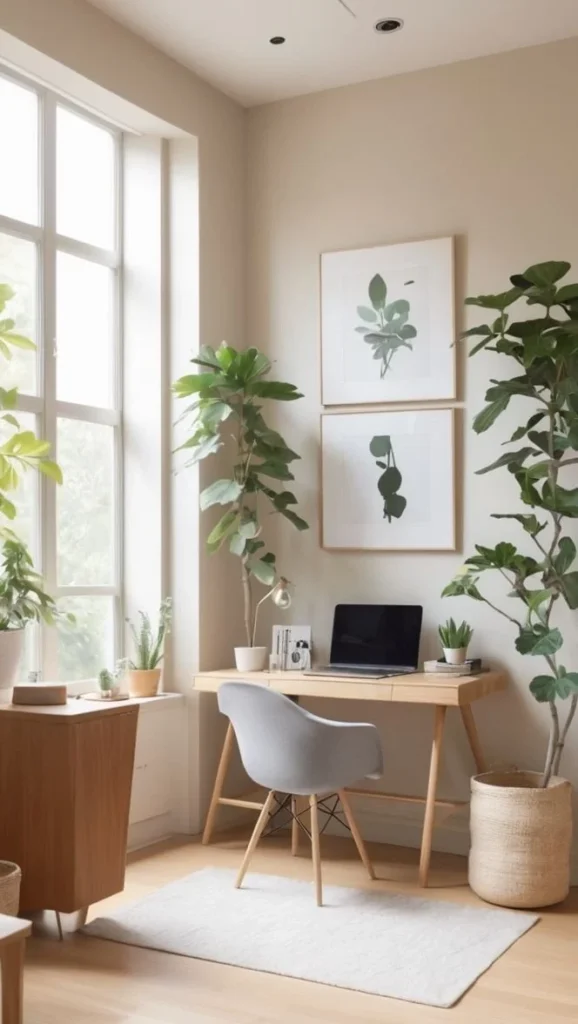
Imagine stepping into a home office that feels like a soft exhale: warm wood underfoot, a low-profile desk balanced by a single sculptural vase, a linen blind filtering afternoon light into honeyed bands across the floor. That’s Japandi — a serene marriage of Japanese restraint and Scandinavian warmth — tuned for 2026 with a refreshed focus on tactile materials, natural hues, and uncluttered function. The look is quiet yet intentional: muted stone grays, warm oak, charcoal accents, and touches of matte ceramics and woven fiber that invite touch and slow breathing.
This style matters because our homes are more than pretty backdrops: they shape how we work, rest, and host. A Japandi home office calms the visual noise that can fragment attention, while still expressing personality through meaningful objects — a handmade cup, an heirloom rug, a carefully placed plant. It’s ideal for anyone who wants a workspace that supports focus without feeling sterile: perfect for cozy corners, seasonal refreshes, renter‑friendly updates, or a modern upgrade before guests arrive.
If you want to mix Japandi with other workspace aesthetics or find variations for a more masculine or compact setup, check this curated guide to workspaces for men that pairs very well with Japandi elements: home office ideas for men. Below are +12 approachable ideas you can adopt or combine to create a soothing, efficient home office for 2026.
Quick list — +12 Lovely Japandi Home Office Ideas
- Low, clean-lined wooden desk in oak or walnut
- Neutral palette with warm beige, taupe, and charcoal
- Shoji-inspired room divider or window treatment
- Minimal shelving with concealed storage baskets
- Tatami- or jute-inspired area mat
- Paper or woven pendant lighting (soft, diffuse glow)
- Black metal accents for contrast (lamp, hardware)
- Ceramic planters and handcrafted deskware
- Linen or cotton textiles — curtains, cushions, slipcover
- Slim task chair with natural upholstery
- Wall-mounted pegboard or rail system for organization
- Vertical greenery or bonsai for an organic focal point
Style Snapshot
Japandi home office decor is a hybrid style that fuses the simplicity of Japanese minimalism with the cozy warmth of Scandinavian design. This category is mostly about furniture and textiles — desks, seating, storage, lighting, rugs, and accent objects — but it extends to wall treatments and small decorative details.
Typical materials and textures include light-to-medium toned woods (oak, ash), rattan and woven fibers, matte ceramics, linen and cotton fabrics, and subtle metal accents in black or brushed finishes. The palette remains neutral with occasional deep charcoal or muted forest green accents. Best placed in home offices, small study nooks, living room work corners, or guest-room desks. Most elements are a mix of store-bought pieces and easy DIY touches (simple shelving, handmade ceramics, or hand-painted accents).
Design Impact
Visually, Japandi opens a room by prioritizing light and negative space. Low, horizontal pieces and restrained accessories keep sightlines uncluttered, making even a compact room feel airy. Warm wood grains and soft textiles balance minimal lines so the space reads inviting rather than austere. A single sculptural lamp or a dark-framed print becomes an elegant focal point against a neutral backdrop.
Emotionally, this decor encourages calm and concentration: the muted palette reduces visual stimulation, while tactile materials — the weight of a ceramic mug, the warmth of a wooden desk — ground you in the present. On a practical level, Japandi supports organization with a “less but better” approach: invest in multi-use storage baskets, closed cabinet fronts, and wall rails to keep clutter off the desk. Picture settling into your desk for focused work in the morning, then converting the same surface into a tea ritual in the afternoon without a visual clash — that’s the everyday payoff.
Why Choose It
Japandi is perfect for renters, small-apartment dwellers, busy parents, and anyone who wants a timeless aesthetic that’s easy to maintain. It’s particularly sympathetic to beginners because it uses a restrained palette and a short list of texture options; once the foundation is set, swapping accents seasonally is simple and low-cost.
Its strengths are longevity and flexibility: neutral wood furniture and natural textiles don’t age out quickly, and the style adapts to both tiny alcoves and open-plan rooms. A real-life problem this design solves: a cluttered corner with a mismatched desk. Replace it with a narrow oak console, add a slim floating shelf, tuck storage baskets below, and instantly transform chaos into calm. Need a powered sit-stand option without breaking the aesthetic? A simple framed standing desk with a wooden top blends seamlessly and keeps ergonomics in play.
How to Style +12 Lovely home office japandi style Ideas For 2026
ingredients
- Main items:
- Low-profile wooden desk (oak or walnut) or narrow console table
- Comfortable task chair with natural fabric (linen, cotton)
- Soft area rug (jute, low-pile wool, or tatami-inspired)
- Pendant or desk lighting with diffuse shade (paper, woven)
- Closed storage units or baskets (rattan, woven seagrass)
- A few ceramic accessories (planters, mug, bowls)
- Optional extras:
- Shoji-style screen or lightweight room divider
- Black metal lamp or hardware for contrast
- Slim standing desk converter or electric sit-stand solution
- Textured throw pillow or lumbar cushion in muted tone
- Framed minimal art or calligraphy
- Alternatives and budget-friendly swaps:
- IKEA-style simple table with wood veneer instead of solid wood
- Thrifted sideboard refreshed with a clear matte finish
- DIY linen slipcovers for chair instead of upholstering
- Secondhand pendant lamps with warm bulbs and diffuser
directions
- Choose your anchor: start with the desk. For small rooms pick a narrow, low-profile table that reads light. For open spaces, choose a longer, simple desk in warm wood. Tip: match desk tone to hardwood floors or contrast intentionally with a slightly darker wood.
- Set the palette: keep walls neutral (soft white, warm gray, or pale beige). Add one accent color in charcoal or muted green through a lamp, pillow, or planter. Tip: bring sample swatches home and view them in morning and evening light.
- Layer a grounding rug: place a jute or low-pile wool rug under the desk and chair so the front two legs rest on it. This visually anchors the workspace and adds warmth. Mistake to avoid: rug too small — choose one that extends at least 18 inches beyond the desk edges.
- Position lighting correctly: overhead pendant should sit about 28–32 inches above the desk surface; desk lamps should provide task lighting without glare. Use warm bulbs (2700K–3000K) to maintain coziness. Avoid a single harsh light source; layer with floor or wall lamps.
- Organize vertically: install a slim shelf or rail system at eye level for frequently used items. Place larger closed storage on the floor to keep the desk surface clear. Tip: keep the rail minimal — a single shelf with three attractive baskets reads intentional, not cluttered.
- Add tactile accents: place a ceramic cup for pens, a woven tray for papers, and a soft linen cushion on the chair. These small textures make the space inviting. Mistake to avoid: too many small objects — limit to 3–5 curated pieces.
- Greenery and ceramics: a single sculptural plant (a ficus, snake plant, or a small bonsai) brings life without crowding. Use matte ceramic planters for contrast. Rotate plants seasonally to keep things fresh.
- Create a ritual corner: set aside a small tray for coffee, a favorite book, and a scented candle to transition from work to downtime. This is both practical and mood-setting.
- Balance dark accents: use black metal in small doses — a lamp base, picture frame, or drawer pull — to give the room depth and structure.
- Final edit: step back and remove one item. This “one less” rule keeps Japandi’s clean balance intact.
Room Setting Inspiration
In a compact apartment nook: tuck a narrow desk against a window, float a single shelf above for books and a trailing plant, and use a slim chair with natural upholstery. Keep the palette light with a woven mat and white walls; this maximizes perceived space and light.
In a larger, open-plan room: create a low-profile workstation with a long wooden desk, pair it with a simple divider or low bookshelf to delineate the area, and hang a woven pendant above to define the zone. Use a larger area rug to anchor the arrangement, and place a low lounge chair nearby for reading.
Pair Japandi elements with:
- Plants (succulents, snake plant, bonsai)
- Soft candles and match-struck ceramic holders
- Minimal art or calligraphy in thin black frames
- Woven baskets for storage and texture
- Lightweight throws and lumbar cushions in linen or cotton
Care Instructions
Wood: Dust weekly with a soft, dry cloth. For deeper cleaning, use a damp cloth with mild soap, then immediately dry. Avoid harsh chemicals and let hot mugs sit on coasters to prevent rings. Periodically apply a food-safe oil or wax if the piece is unfinished or raw wood.
Textiles: Wash linen or cotton cushion covers every 6–12 months, or spot-clean as needed. Vacuum rugs monthly and shake out jute or natural-fiber mats outdoors when possible. Avoid direct, prolonged sunlight on fabrics to reduce fading.
Ceramics, metal, glass: Wipe matte ceramics with a soft cloth. Use a gentle glass cleaner for glass surfaces and a soft microfiber to avoid scratches. For metal accents, dust regularly and use a mild cleaner for fingerprints; avoid abrasive pads.
Storage and seasonal refresh: Store off-season textiles in breathable cotton bags in a dry, cool spot. Rotate cushions and throws seasonally to refresh the palette. Replace or re-wax wooden surfaces every few years to maintain finish.
Designer’s Advice
- Keep scale balanced: pair low furniture with vertical accents like a tall plant or narrow shelving.
- Layer light: combine ambient, task, and accent lighting to avoid harsh shadows.
- Limit color pops: reserve a single accent color to create harmony and prevent visual clutter.
- Trust negative space: empty areas are as important as filled ones — they allow pieces to breathe.
- Mix textures: combine smooth ceramics, tactile linens, and raw wood for a rich, quiet look.
- Edit often: every month, put one item away — you’ll notice what truly matters.
Creative Variations
Minimalist Japandi: Focus strictly on essentials — a slim desk, a task lamp, and a single piece of art. Neutral tones and almost no accessories create a meditative workspace.
Cozy Japandi: Add a textured wool throw, a plush lumbar cushion, and layered rugs. This is ideal for colder climates or those who want a softer, hygge‑inspired approach.
Budget thrifted Japandi: Source a secondhand wooden table, paint or refinish it in a warm tone, pair with a simple thrifted chair reupholstered in linen, and add thrifted ceramics — then budget for one high-quality lamp to elevate the look.
Frequently Asked Questions
Q: Can Japandi work in a very small apartment?
A: Absolutely. Choose compact, low-profile furniture, vertical storage, and a light palette to maximize light and space. Use rugs and plants to define the area without overcrowding.
Q: Is this renter-friendly?
A: Yes — most changes are non‑permanent: swap textiles, hang art with removable hooks, add freestanding shelves, and avoid built-ins.
Q: How do I match Japandi to existing furniture?
A: Anchor new elements to the dominant wood tone or neutral palette of your existing pieces. Introduce one small contrasting accent (charcoal or muted green) to create cohesion.
Q: Where to find quality pieces affordably?
A: Look for secondhand solid-wood pieces, local craft fairs for ceramics, and online marketplaces for lamps and rugs. Prioritize one investment piece (like a desk) and mix in budget items.
Q: How often should I refresh the look?
A: Small tweaks seasonally — swapping pillows or plants — keep the space feeling new. Major edits every 2–3 years are typically enough.
Conclusion
Ready to try these +12 Lovely home office japandi style Ideas For 2026 in your own home? Start small: swap a rug, bring in a plant, or hang a simple pendant and let the rest evolve with your needs and routines. Share photos, questions, or tips in the comments below — we love seeing your takes and answering styling questions. For more inspiration on standing desks that pair beautifully with Japandi sensibilities, explore this feature on electric standing desks to find the perfect ergonomic match for your setup: lovely electric standing desk ideas. For material guidance on selecting durable surface options that complement Japandi wood tones, learn about glass applications and benefits here: 12mm Toughened Glass – Understanding Its Benefits And Applications.
Explore more decor ideas on Moderndecorum.com and join our community for seasonal updates and styling tips.