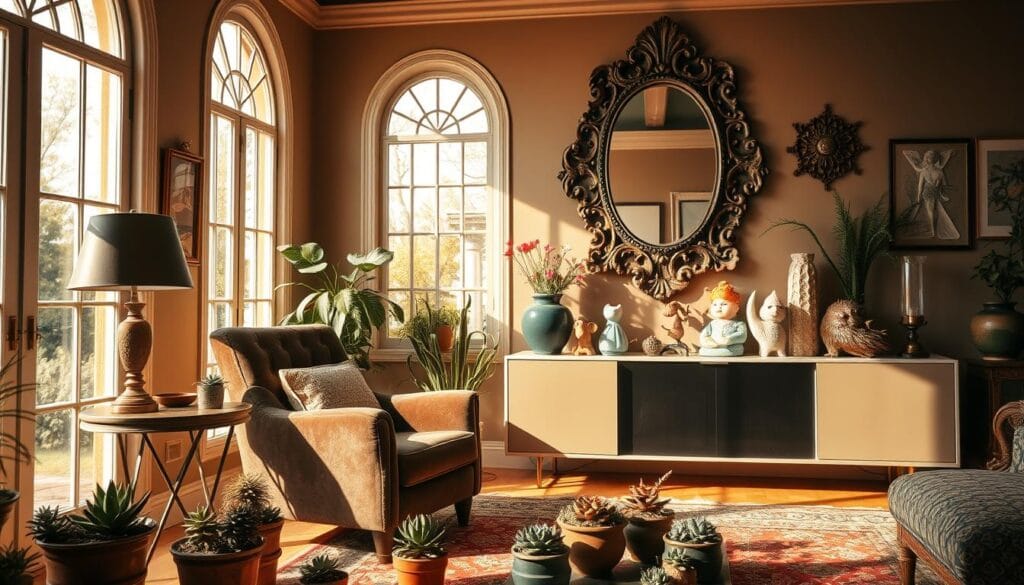

+12 Lovely Japandi Minimalist Living Room Ideas For 2026
Introduction
Imagine stepping into a living room that feels like a calm breath — warm wood underfoot, the soft grain of oak catching the afternoon light, tactile linen cushions that invite you to sink in, and a carefully edited few objects that tell a quiet story. Japandi, the elegant marriage of Japanese restraint and Scandinavian warmth, turns that feeling into a practical decor language: neutral layers, low profiles, natural textures, and purposeful negative space. For 2026, Japandi evolves with small, human-centered updates that make rooms feel both modern and deeply lived-in.
This style matters because it’s not just pretty — it changes how you live. A Japandi living room encourages slower evenings, better gatherings, and more restful weekends. It balances hospitality and calm: your couch still feels welcoming for friends, but the overall restraint makes every accessory count. Whether you’re hosting a winter dinner by candlelight or curling up with a book on a rainy afternoon, the mood is always intentional and comforting.
Japandi is perfect for seasonal refreshes, cozy corners, renter-friendly updates, and budget-savvy makeovers. Swap textiles and lighting to transition from summer brightness to winter warmth, or layer baskets and throws for holiday gatherings. If you want to modernize without clutter, these +12 Lovely Japandi Minimalist Living Room Ideas For 2026 offer flexible, timeless choices that fit apartments, family homes, and rental spaces alike. For inspiration that crosses styles, see how Japandi pairs beautifully with farmhouse simplicity in this guide to lovely minimalist farmhouse living room ideas.
Style Snapshot
Japandi minimalist living room ideas are a mix of furniture, textiles, lighting, wall treatments, and carefully chosen accessories that prioritize craftsmanship and calm. The main style is a hybrid of modern minimalism and warm Scandinavian design with Japanese wabi-sabi influence.
Typical colors are soft neutrals — warm whites, taupes, muted greys — punctuated by deep greens, charcoal, or natural wood tones. Materials and textures include light oak, bamboo, linen, cotton, ceramic, and matte metal. Best rooms for this style are living rooms and open-plan sitting areas, but elements translate well to bedrooms, entryways, or home offices. Most components are a mix of ready-made purchases and simple DIY (e.g., custom cushions or thrifted pieces refinished with natural oil).
Design Impact
Adopting Japandi in your living room dramatically changes both the visual and emotional landscape. Visually, the low-profile furniture and uninterrupted sightlines create a sense of air and flow — the room feels larger because each piece breathes. Layering textures (linen throws, a wool rug with low pile, a smooth ceramic vase) gives depth without noise. Strategically placed focal points, like a live-edge coffee table or a textured wall panel, anchor the room without overwhelming it.
Emotionally, the result is calm and hospitable. There’s a soothing rhythm to pared-back color palettes and natural materials that supports relaxation and mental clarity. Practically, Japandi solutions often include hidden storage, multi-use furniture, and organized display zones — think a slim console with baskets beneath or modular shelving that hides clutter. Picture a late-evening scene: warm layered light, a soft rug underfoot, soothing tea in a small ceramic cup, and the quiet reassurance that everything has its place.
Why Choose It
Japandi is smart for anyone who wants a home that looks curated but feels comfortable. It’s ideal for renters who need damage-free updates (think textiles, lighting, and freestanding screens), small apartments where scale and storage matter, families who want durable natural materials, and design beginners who prefer an easy-to-follow visual system.
Key strengths include affordability through thoughtful sourcing (swap one statement piece for thrifted finds), flexibility (switch an accent color or light fixture seasonally), and timelessness — the aesthetic won’t feel dated after a year. One real-life problem it solves: a cluttered, chaotic room. By introducing closed storage, one or two display shelves, and a disciplined color scheme, you immediately reduce visual clutter and make cleaning and hosting simpler.
How to Style +12 Lovely japandi minimalist living room Ideas For 2026
ingredients
- Main items:
- Low-profile sofa in linen or wool (neutral tone)
- Light oak coffee table or low bench (live-edge if possible)
- Textured area rug (natural fibers: jute, wool, or a soft low-pile)
- Minimal shelving unit or console with baskets
- Floor lamp with a warm bulb (matte black or brass)
- Ceramic vases and handcrafted accessories
- Window linen curtains or bamboo shades
- Indoor plants (ficus, snake plant, or a small bonsai)
- Optional upgrades:
- Shoji-style room divider or slatted wood panel
- Tatami-inspired rug or floor cushions
- Accent armchair in darker wood or black frames
- Soft throws, lumbar cushions in muted colors
- Candles, trays, woven baskets, and a sculptural wall art piece
- Alternatives & budget-friendly substitutions:
- Thrifted solid-wood coffee table refinished with oil
- IKEA-style minimalist shelving plus woven baskets
- Secondhand linen sofa cover or slipcover
- DIY clay vases or painted thrifted ceramics
directions
- Start with layout and flow. Place the sofa opposite a focal point (window, TV recessed into cabinetry, or a fireplace). Leave clear traffic paths — at least 24–30 inches between furniture pieces.
- Choose your palette. Pick one warm neutral (e.g., warm white), one wood tone (light oak), and one accent (deep green or charcoal). Use neutrals for large surfaces and the accent in pillows/planters.
- Anchor the seating with a natural-fiber rug sized so the front legs of the main seating sit on it. In small rooms, a rug that reaches the front leg line keeps things cohesive without overwhelming the floor.
- Layer lighting. Combine an overhead light (soft diffused), a standing lamp near seating, and a small table lamp or candles. Use warm bulbs (~2700K) to keep the mood cozy.
- Edit accessories. Limit décor to a few handcrafted objects: one ceramic vase, one tray for remotes, one small stack of books, and a plant. Negative space is intentional — don’t feel compelled to fill every surface.
- Add height variation. Use a low-profile sofa, a taller floor lamp, and medium-height plants to create a gentle vertical rhythm that guides the eye.
- Create hidden storage. Choose a console with drawers or baskets to tuck away throw blankets, chargers, and kids’ toys. A minimalist cabinet keeps surfaces uncluttered.
- Introduce a tactile corner. Place a woven basket with a folded wool throw and a floor cushion near a reading lamp to invite quiet moments.
- Consider a textured accent wall — vertical oak slats or a muted plaster finish — for warmth without busyness. Keep art minimal: one striking piece or an asymmetrical shelf with one or two carefully placed objects.
- Finish with living elements. Add a pair of plants (different heights) and swap seasonal throws to keep the room feeling refreshed.
Best Pairings
Japandi plays beautifully across zones. In an entryway, a slim bench with a woven basket and single ceramic bowl carries the aesthetic in from the door. In the living room, pair a low sofa with a slatted wood room divider and a sculpted ceramic lamp. In a bedroom, mirror the living-room palette with light oak bedside tables and linen bedding.
Pair with:
- Plants: tall ficus or graceful palms for softness; small bonsai or succulents for a Japanese touch.
- Rugs: low-pile wool or jute to ground seating.
- Textiles: linen curtains, cotton throws, and lumbar pillows in muted tones.
- Metals & glass: matte black lamp bases or simple blown-glass vases for contrast.
Small-space idea: choose a compact two-seater sofa, use floating shelves for display, and opt for a round coffee table to ease circulation. Large open-plan rooms: create zones with a slatted wood screen, anchor each area with rugs, and maintain the palette throughout to keep flow cohesive. For more inspiration on adapting minimal looks across years, compare layout ideas to this round-up of lovely minimalist living room ideas from 2025.
How to Maintain
Natural materials reward a little care. Dust wood surfaces weekly with a soft cloth; use a wood oil on oak once or twice a year to maintain luster. For linen and cotton textiles, follow garment labels: most can be machine-washed on a gentle cycle, but avoid over-drying to prevent shrinkage. For wool rugs, vacuum with a suction-only setting (no beater bar) and rotate the rug every six months to manage wear.
Ceramic and glass items wipe clean with a damp cloth; avoid harsh abrasives. Keep indoor plants healthy with appropriate light and a monthly feed during the growing season. For seasonal storage, cover textiles with breathable cotton bags and store in a cool, dry place away from direct sunlight to prevent fading.
Designer’s Advice
- Scale matters: keep coffee tables lower than sofa seat height by 1–2 inches for an authentic Japandi look.
- Layer light sources: overhead, task, and accent lights create depth and a cozy atmosphere.
- Mix textures, not colors: use varied materials (slubby linen, smooth ceramic, raw wood) while keeping the palette restrained.
- Embrace asymmetry: display objects in odd-numbered groupings and staggered heights for visual interest.
- Choose warm bulbs (~2700K) for a welcoming glow; avoid stark cool lighting.
- Keep one anchor piece per room (a wooden slatted wall or live-edge table) to prevent visual competition.
- When mixing metals, limit to two finishes (e.g., matte black and warm brass) and repeat them throughout the room.
Style Twists
- Minimalist Japandi: Keep the color palette almost entirely neutral, remove all nonessential accessories, and invest in high-quality textiles. This version is calm, gallery-like, and perfect for a small studio.
- Cozy Japandi: Add heavier wool throws, layered rugs, and extra cushions in muted terracotta or olive for a winter-friendly, hygge-inspired take that still honors restraint.
- Budget/Thrifted Japandi: Source a solid wood table from a secondhand store, use IKEA linen curtains, and craft simple clay vases. Refinish thrifted pieces with natural oil and bring in plants to lend life.
Frequently Asked Questions
Q: Can I make Japandi work with existing colorful furniture?
A: Yes. Use neutral textiles (throws, rugs) to visually tie bright pieces into a cohesive palette, and introduce one accent color that repeats in small doses across cushions or artwork.
Q: Is Japandi renter-friendly?
A: Absolutely. Focus on non-permanent updates: slipcovers, rugs, freestanding screens, portable lighting, and wall art hung with removable hooks.
Q: How do I adapt Japandi for small apartments?
A: Choose low-profile, multi-functional furniture, maintain negative space, and prioritize vertical storage like floating shelves to free floor area.
Q: Where can I find affordable Japandi-style items?
A: Look for locally made ceramics, secondhand solid wood furniture, and minimalist lighting from general retailers or local makers for good value without sacrificing quality.
Q: How often should I refresh decor items?
A: Rotate small accessories seasonally and reassess large textiles (rug, curtains, cushions) every 2–4 years for wear and style updates.
Conclusion
Japandi offers a serene, stylish way to make your living room feel modern, warm, and deeply personal — perfect for 2026 lifestyles that value quality, calm, and practical beauty. Try one or two of these +12 Lovely japandi minimalist living room Ideas For 2026 in your space this season, and share pictures or questions below so we can celebrate your progress together. For quick decorative accents, check out options for tasteful typography and wall pieces at affordable word art selections, and if you’re curious about using technology to plan your space, explore a comparative look at tools with this best AI interior design tools comparison.
If you loved this guide, browse more ideas on Moderndecorum.com or join our community to exchange tips, photos, and seasonal refresh ideas.