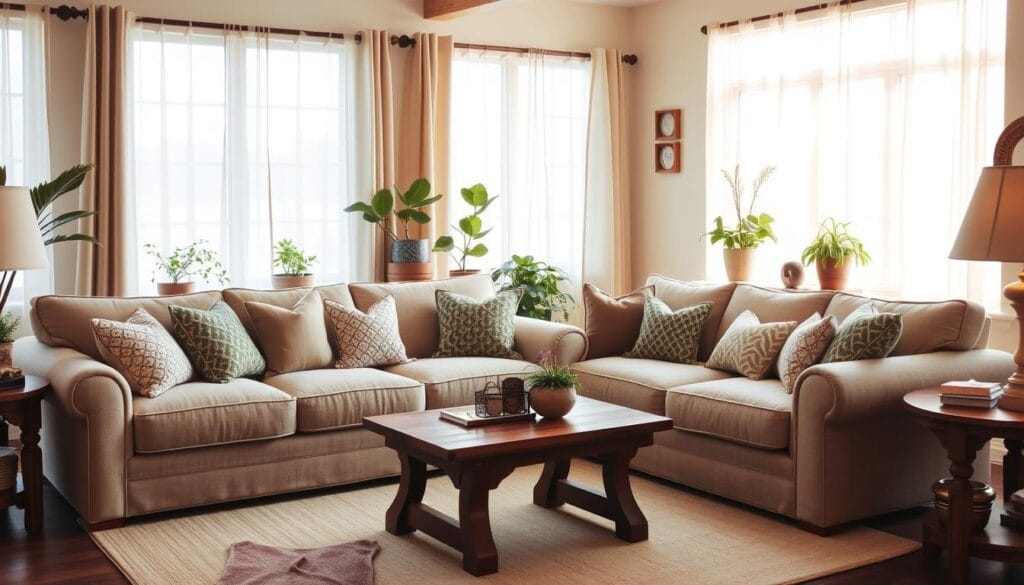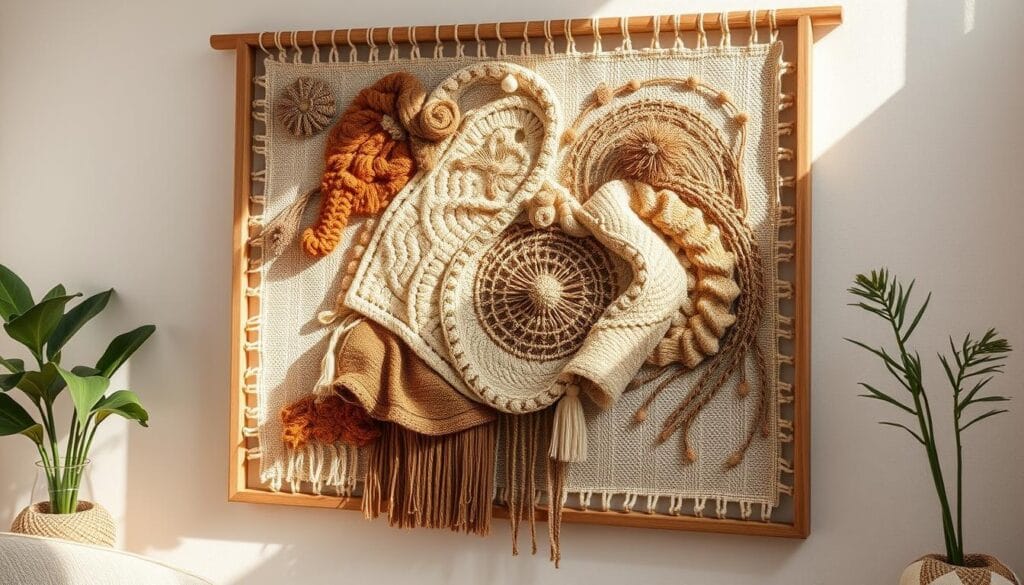
+12 Lovely white oak and white kitchen Ideas For 2025
Introduction
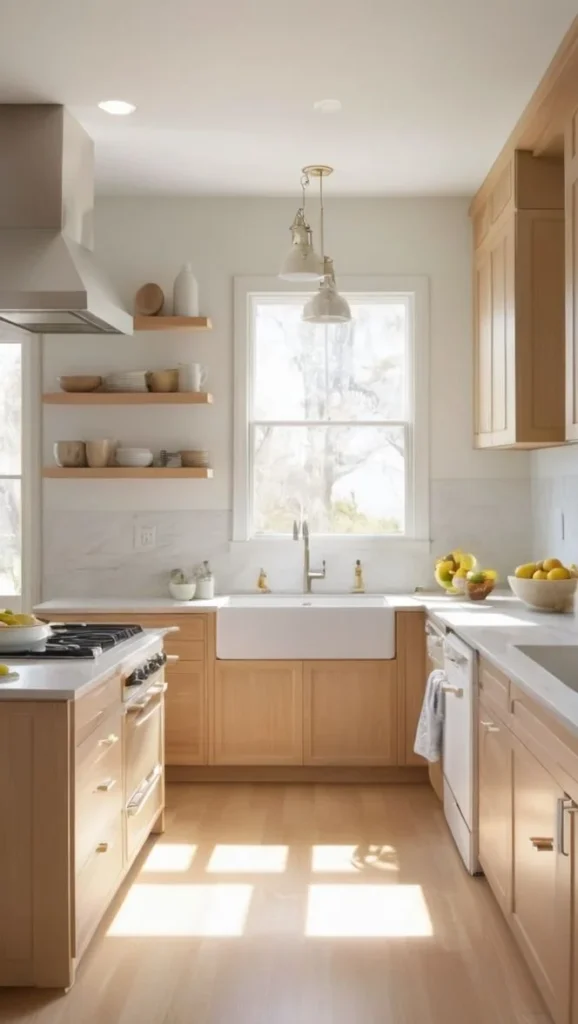
Imagine walking into a kitchen that feels like a soft exhale: creamy white walls, sunlit countertops, and the honeyed grain of white oak wrapping cabinets and open shelves with a warm, tactile presence. The surface of the oak catches the light in subtle waves, the white paint reflects back a gentle glow, and small accents—matte black hardware, woven rattan stools, a pop of green from a herb pot—add personality without shouting. This is the mood of white oak and white kitchens in 2025: calm, layered, and quietly sophisticated.
That comforting balance of warmth and brightness matters because kitchens are more than cooking zones now—they are living rooms, homework stations, and gathering places. A white oak and white palette helps a kitchen feel simultaneously modern and lived-in. The textures invite touch (think cool ceramic tiles, softly sanded oak, linen tea towels), while the color story keeps the eye moving and the mood relaxed. Whether you host lively dinners or sip coffee in a sunbeam, this pairing supports both bustle and stillness.
This idea is perfect for a seasonal refresh—swap darker winter textiles for breezy linen in spring—or as a renter‑friendly update where peel‑and‑stick backsplashes and replaceable cabinet hardware make big changes with small fuss. If you’re preparing your home for holiday gatherings, white oak and white kitchens create an inviting backdrop that allows table settings and centerpieces to shine. For DIY lovers and budget decorators, the look is achievable through smart mixing: paint, open shelving, and targeted swaps of cabinet fronts or counters.
If you’re curious about adjacent looks—like balancing cool grays with white—you might enjoy our deeper take on lovely gray and white kitchen ideas for 2025, which pairs beautifully with many of the strategies below.
Style Snapshot
White oak and white kitchens are a decor approach that blends cabinetry, surfaces, and accents into a cohesive, inviting kitchen palette. The “+12” ideas in this guide range from cabinet treatments and open shelving to lighting choices and styling tips—think of it as a toolkit for creating your own version of the look.
Main style: Scandinavian-leaning modern with touches of coastal and transitional warmth. Typical colors and textures include warm white paints (cream, off-white), pale white oak (natural or lightly limed), quartz or honed stone countertops, soft metals (brushed brass or matte black), woven textures (rattan, seagrass), and linens. Best zones: kitchens (obviously), but the same materials work beautifully in adjacent dining nooks, open-plan living-kitchen areas, and breakfast corners. Level of DIY vs. buying: mix—easy DIY for painting and open shelving, moderate for cabinet refacing, and store-bought for appliances and lighting.
Design Impact
Bringing white oak and white into a kitchen immediately changes the way light behaves. White surfaces bounce daylight deeper into the room, making small kitchens feel larger and darker kitchens more airy. White oak adds reflective warmth; its grain introduces visual depth without darkening the palette. Together they create a balanced focal plane—your eye rests on the natural beauty of wood while appreciating crisp, clean lines.
Emotionally, this palette is calming. A breakfast in a white oak and white kitchen feels restful: the soft grain of the wood under your fingertips, the coolness of a ceramic mug, steam rising against a pale backdrop. For families, the look supports everyday life—gentle color hides light wear better than stark white, and the wood warms the space for cozy weekends. Practically, the design offers storage and flow advantages. Open oak shelving keeps commonly used items within reach, white upper cabinets reduce visual weight, and warm-toned oak lower cabinets anchor the space. Imagine finishing a long workday by cooking in a space that feels intentional, tidy, and soothing—this design delivers that daily uplift.
Why Choose It
Who benefits most from this style? Renters looking for simple swaps, families wanting a durable yet soft aesthetic, small-apartment dwellers in need of brightening tricks, and anyone who values a timeless look that withstands trends. Key strengths include flexibility—introduce bolder color via accessories, or keep it neutral; affordability—paint and shelf swaps make a big impact; and timelessness—the pale oak/white combo is unlikely to feel dated quickly.
One common problem this design solves is a cramped, dark kitchen. By painting upper cabinets white and introducing white oak open shelving or lower cabinets, you visually lift the ceiling and create reflective surfaces. Another scenario: a kitchen with mismatched cabinets and counters. Add a white oak floating shelf, unify hardware to a single finish, and paint the mismatch away—instant cohesion without a full renovation.
How to Style +12 Lovely white oak and white kitchen Ideas For 2025
{ingredients}
- White paint in warm (cream, soft white) and bright white options
- White oak cabinet fronts, butcher block, or open shelving (real wood or veneer)
- Hardware: matte black, brushed brass, or satin nickel pulls and knobs
- Countertops: quartz (veined or honed), honed marble-look surfaces, or durable laminate alternatives
- Backsplash materials: subway tile, terracotta, or peel-and-stick tile
- Lighting: pendant lamps (glass, brass, or rattan), under-cabinet LED strips
- Textiles: linen tea towels, woven runner rugs, seat cushions
- Decorative accents: ceramic vases, wooden cutting boards, woven baskets, potted herbs
- Tools: paint roller, sanding block, drill, stud finder, level, measuring tape
- Optional upgrades: soft-close hinges, integrated organizers, hidden trash pull-out
Budget-friendly substitutions:
- Use IKEA-style white cabinets with white oak veneer doors
- Replace expensive stone counters with high-quality laminate or quartz-look tiles
- Choose thrifted or spray-painted hardware in a consistent finish
{directions}
- Start with a plan: measure your kitchen and create a mood board. Decide whether white oak will be used on lower cabinets, open shelving, or full cabinetry. Tip: use a large swatch of your chosen white paint next to an oak sample to ensure warmth matches.
- Paint the walls and upper cabinets a warm white first. Warm whites prevent the space from feeling clinical and pair better with oak’s honey tones. Mistake to avoid: choosing a cool white that reads blue next to oak.
- Install white oak open shelves or replace lower cabinet doors with oak-fronted panels. Placement tip: shelves at eye level or slightly higher (about 4–6 inches above countertop items) keep the flow and avoid crowding. Use a stud finder and sturdy brackets for weight.
- Choose a countertop that anchors the palette—honed quartz in a light beige or subtle veining complements oak. If replacing counters isn’t possible, add layered accessories (cutting boards, a tray) to visually warm a cooler surface.
- Select cohesive hardware. Matte black creates contrast; brass adds a luxe spark. Keep the finish consistent across cabinets and lighting for a curated look. Common mistake: mixing too many metal finishes—if you do mix, ensure one metal dominates.
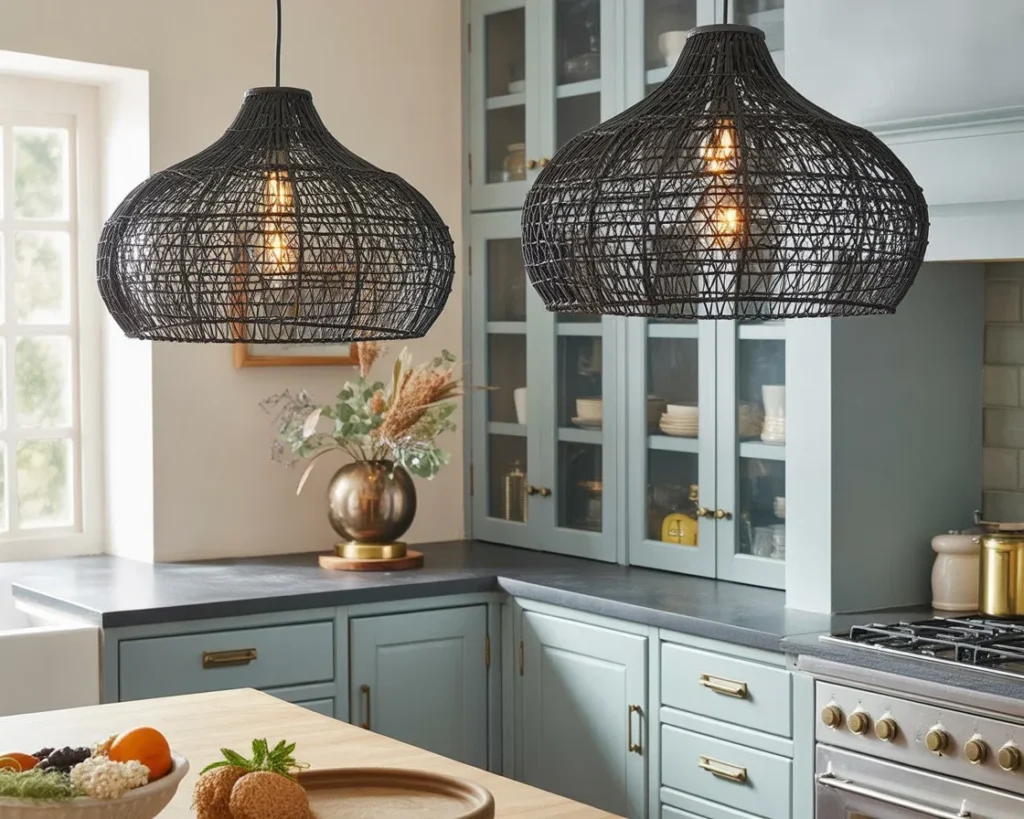
- Add lighting layers. Install under-cabinet LEDs for task lighting, and choose pendants above an island with a complementary texture (rattan for warmth, glass for modern clarity). Use warm bulbs (2700K–3000K) to maintain the cozy feel.
- Style with textiles and plants. Place a woven runner by the sink, linen napkins on open shelving, and a small herb trio on the windowsill. Sensory tip: fresh herbs add scent, while woven textures invite touch.
- Edit decorative items—keep countertops mostly clear to emphasize the oak grain and white surfaces. Use matching containers for utensils and group smaller items on trays to reduce visual clutter.
- Add height and balance: a tall vase or pendant groups near one end of the counters balances open shelving on the other. Keep negative space—don’t feel the need to fill every shelf.
- Finalize with seasonal swaps: switch cushion covers, add evergreen sprigs for winter, or citrus bowls for summer to keep the kitchen feeling fresh.
Showcasing Ideas
White oak and white kitchens can be showcased in many settings. In an entryway adjacent to the kitchen, a slim console table in white oak with a simple white ceramic lamp creates continuity. In a living-room-adjacent kitchen, extend white oak shelving into a display niche for cookbooks and plants, tying the open-plan flow together.
Pair the kitchen with textured rugs, linen window treatments, matte metal sconces, and a mix of ceramic and wooden bowls. For small spaces: use open shelving and pale paint to visually enlarge the room; keep furniture low-profile and choose reflective surfaces (glass pendants). For large, open-plan rooms: use a white oak island to anchor the space and area rugs to define dining or lounge zones. Suggestions:
- Entryway: small oak bench with woven basket for shoe storage.
- Living room: match oak coffee-table accents to kitchen shelving.
- Bedroom or home office adjacent: use oak cabinetry color to create cohesion in open layouts.
- Dining room: white oak dining table with white chairs for a cohesive flow.
If you’d like to explore cabinetry-focused styling, this post on lovely white oak kitchen cabinets ideas 2025 offers complementary cabinet-specific guidance and visuals.
How to Maintain
White oak and white materials are straightforward to care for when approached with simple routines. Wipe oak surfaces regularly with a soft, damp cloth and a gentle wood cleaner or a mix of mild soap and water; avoid harsh chemicals that strip finish. For painted surfaces, use a microfiber cloth and non-abrasive cleaner to remove splatters promptly.
Dust open shelving weekly to prevent buildup. Wash linen textiles every 1–2 weeks depending on use; kitchen rugs may need a deep clean monthly. Protect surfaces from sunlight by using blinds or UV-filtering window film in very bright kitchens to avoid gradual fading. To keep the look fresh over time, rotate display items seasonally and replace textiles like dish towels and cushions when they show wear—small swaps go a long way in renewal.
Designer’s Advice
- Scale matters: choose pendant sizes proportional to your island—too small and they disappear; too large and they overpower.
- Keep color temperature warm (2700K–3000K) for a welcoming, food-friendly glow.
- Layer textures: mix oak grain with matte ceramics, soft linen, and a bit of metal for contrast.
- Use odd numbers when arranging objects—groups of three or five feel natural and styled.
- Keep daily essentials accessible but pretty—store utensils in a matching container rather than on the stovetop.
- Anchor floating shelves with a heavier item on one side and smaller items stepping down across the shelf.
- Avoid overcrowding: negative space highlights quality pieces and the oak’s beauty.
Creative Variations
Minimalist twist: Keep cabinetry flat-front and unadorned, use thin oak shelving, and choose a monochrome palette of warm whites. This suits small urban kitchens where clarity of line and maximal light are priorities.
Cozy, layered version: Add warm brass fixtures, a patterned runner, open oak shelving full of ceramics, and plush seat cushions for stools. Ideal for family homes and those who host often—this version embraces tactile comforts.
Budget-friendly approach: Reface only the lower cabinet doors with white oak veneer, paint upper cabinets white, and use peel-and-stick backsplash tile. Shop thrifted ceramics and re-finish existing stools for a curated yet affordable finish.
Frequently Asked Questions
Q: Will a white oak and white kitchen show dirt easily?
A: White surfaces can show splashes, but warm whites hide fingerprints better than cool whites. Oak grain camouflages light wear; regular wiping keeps things bright.
Q: Is this look renter-friendly?
A: Yes—use peel-and-stick backsplashes, replaceable cabinet doors or adhesive wood veneer, and swap hardware to achieve the look without permanent changes.
Q: How do I pair metals without clashing?
A: Choose one dominant metal (matte black or brass) and use a secondary metal sparingly. Tie metals together with small items like drawer pulls, light fixtures, and a single appliance finish.
Q: Can small kitchens handle white oak lower cabinets?
A: Absolutely—oak on lower cabinets with white uppers actually makes small kitchens feel grounded and taller, especially when paired with open or glass-front upper cabinets.
Q: Where should I source quality materials on a budget?
A: Look for local mills, cabinet shops with offcuts, furniture outlets, or online marketplaces for veneer and lighting. Thrift stores and vintage markets are great for unique ceramics and hardware.
Conclusion
Ready to bring the warm, timeless charm of white oak and white into your kitchen? Try one or two of these ideas—like swapping hardware, adding a floating oak shelf, or painting upper cabinets white—and see how quickly the room breathes easier. Share your before-and-after photos, questions, or favorite styling tips with our community; we love seeing real homes transform.
For a practical appliance solution that fits an organized kitchen workflow, consider the Ideal WashStation™ 3S + DryDock™ 12 as part of your setup. If you’re collecting small keepsakes or want a display piece that complements white oak tones, check out this delicate keepsake box option at White Shadow Wood Keepsake Ticket Display Box.
Enjoy styling, and don’t forget to explore more ideas and subscribe for updates at Moderndecorum.com—your next favorite kitchen detail is waiting.