
Ever look at a tired old side table and daydream about giving it a stunning makeover—but feel totally lost on where to even start? Yeah? I’ve so been there. Well, pull up a chair, because How To Decoupage Furniture: A Step-By-Step Guide (With Pictures) is finally here to save your next Sunday afternoon project. If you’re curious how to use just the right paper, what glue won’t make a sticky mess, or you’re itching for some inspiration and tips, keep reading. Seriously, it’s easier than you think—especially if you poke around at some helpful resources like choosing the best home decor fabric for inspiration and ideas.
What is Decoupage?
Okay, let’s clear this up—yes, you really can get away with gluing pretty paper or even fabric onto tables, chairs, and goodness knows what else. That’s the magic of decoupage (weird word, right?).
- Basically, you’re layering cut-out paper or fabric onto surfaces, then sealing it in so it looks FLO-less (well, mostly).
- It protects the design and turns plain furniture into something super personalized.
- It’s cheap, stress-busting, and even beginners can nail this with a bit of patience and patience.
- If you mess up? Slap on another layer of paper—the ultimate do-over.
“I turned my grandma’s old dresser into a total conversation piece with some scrapbook paper and Mod Podge—my friends could not believe I made it myself!”
What Paper Is Best for Decoupage on Furniture?
Now for the million-dollar question. The short of it: you’re spoiled for choice, but some things hold up better.
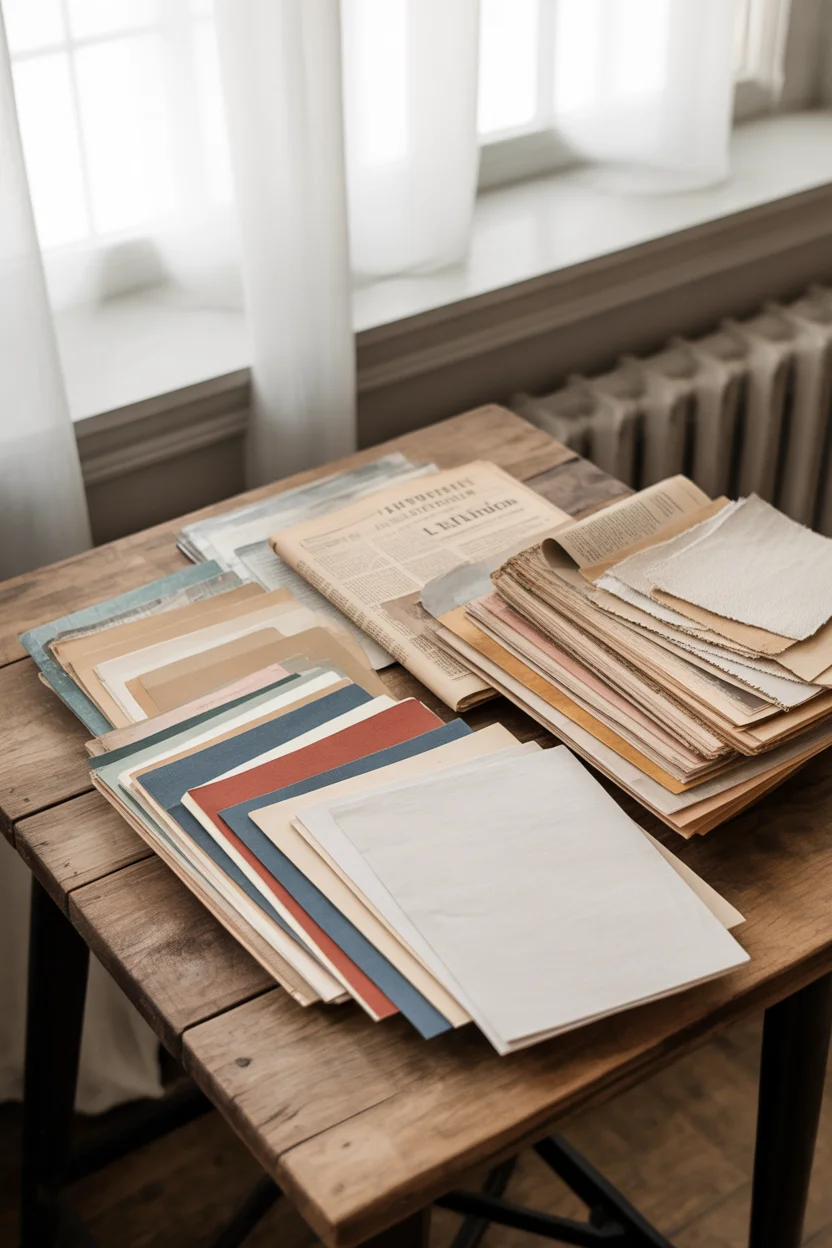
- Tissue paper: Great for soft, blended looks, but it’s delicate—kinda like working with soggy toast (seriously).
- Scrapbook paper: Sturdier, way more forgiving, and the patterns are endless.
- Napkins or wrapping paper: Good for flashy prints but be ready for a bit more wrinkling.
- Old maps, sheet music, or even fabric: Try them for something really you. Experiment and have fun!
Step-by-step decoupage instructions
Look, this is the meat and potatoes of it all. Don’t stress—you’ve got this.
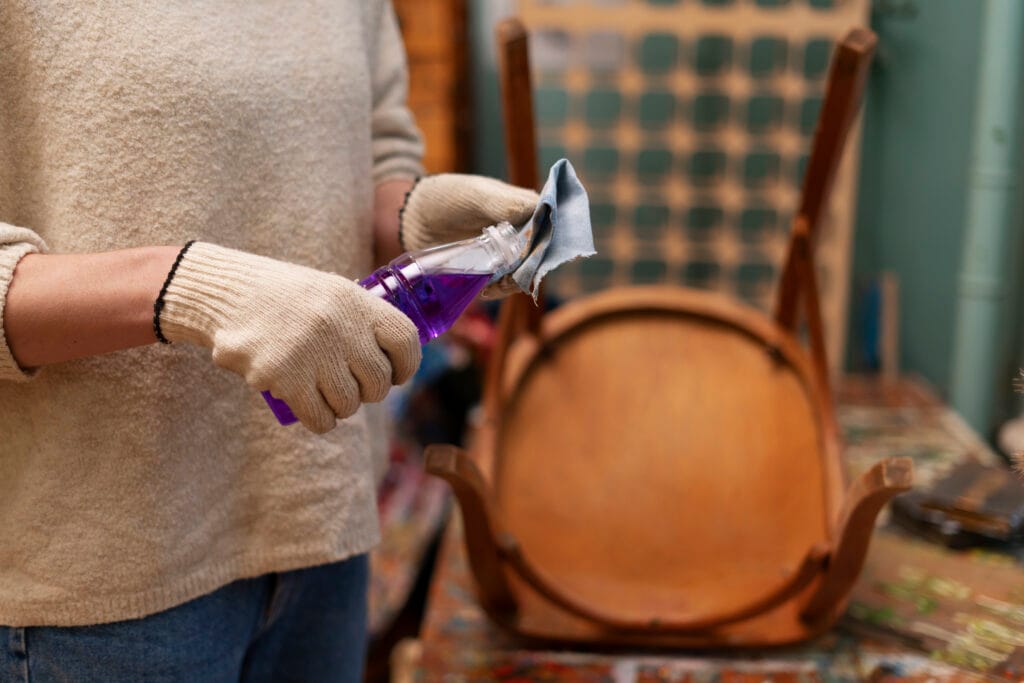
- Sand and clean your piece. Can’t skip this unless you want surprise bumps and goop later.
- Trim your paper to fit. Lay it out first so you’re not scrambling mid-glue (I’ve been there, and boy, was it a mess).
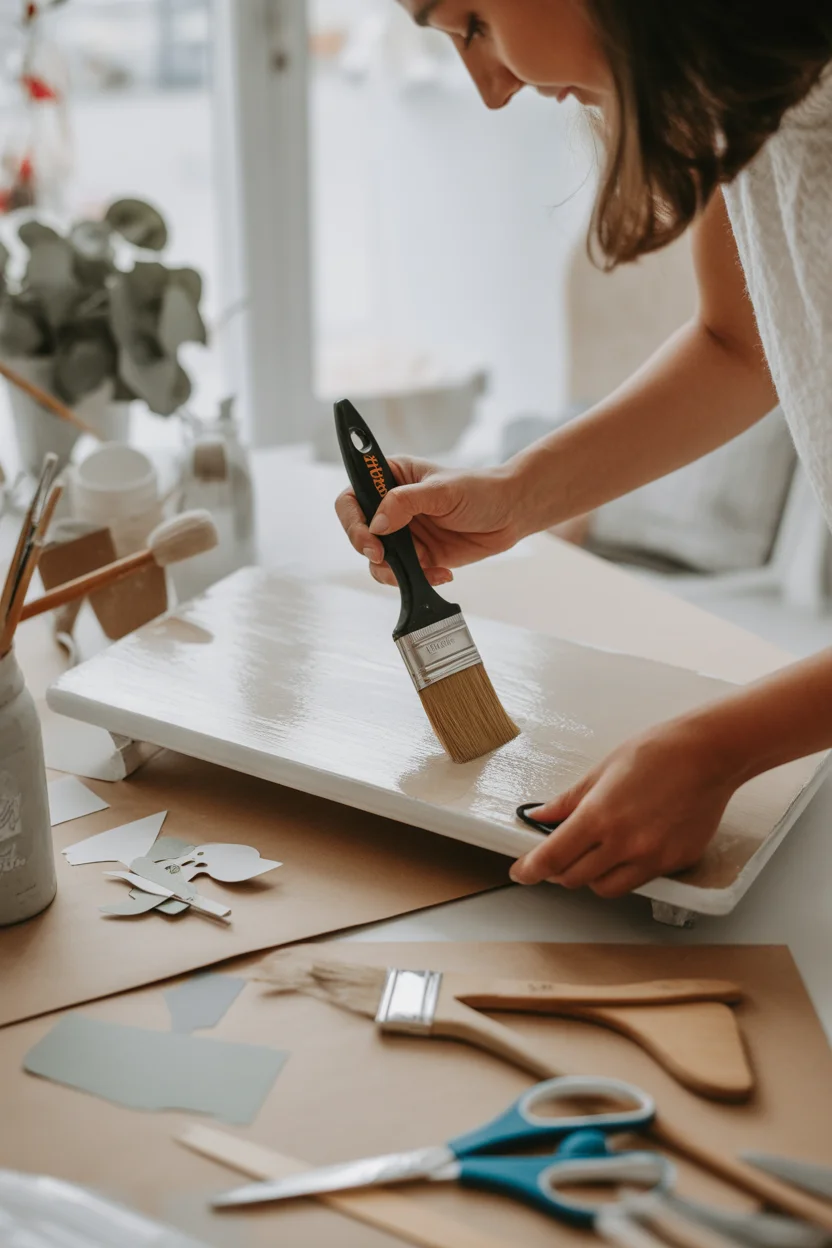
- Brush on the glue/mod podge, then lay on your paper gently. Smooth out bubbles slowly with fingers or a credit card.
- Seal with 2-3 coats. Let it dry between each—otherwise, you’ll get sticky fingerprints everywhere. Old t-shirt for a rag? Works wonders.
| Decoupage Material | Best Use Case | Durability | Tip |
|---|---|---|---|
| Tissue Paper | Soft, blended looks | Low | Use multiple layers for better strength. |
| Scrapbook Paper | Vibrant patterns | Medium | Pre-cut shapes to simplify projects. |
| Old Maps or Books | Unique, vintage effect | High | Seal with a protective spray for longevity. |
| Fabric | Textured finishes | Very High | Consider upholstery fabrics for durability. |
Decoupage Furniture Supplies
Rule one: don’t overthink it—no need for five-star restaurant-level tools here (unless you want to get really fancy!).
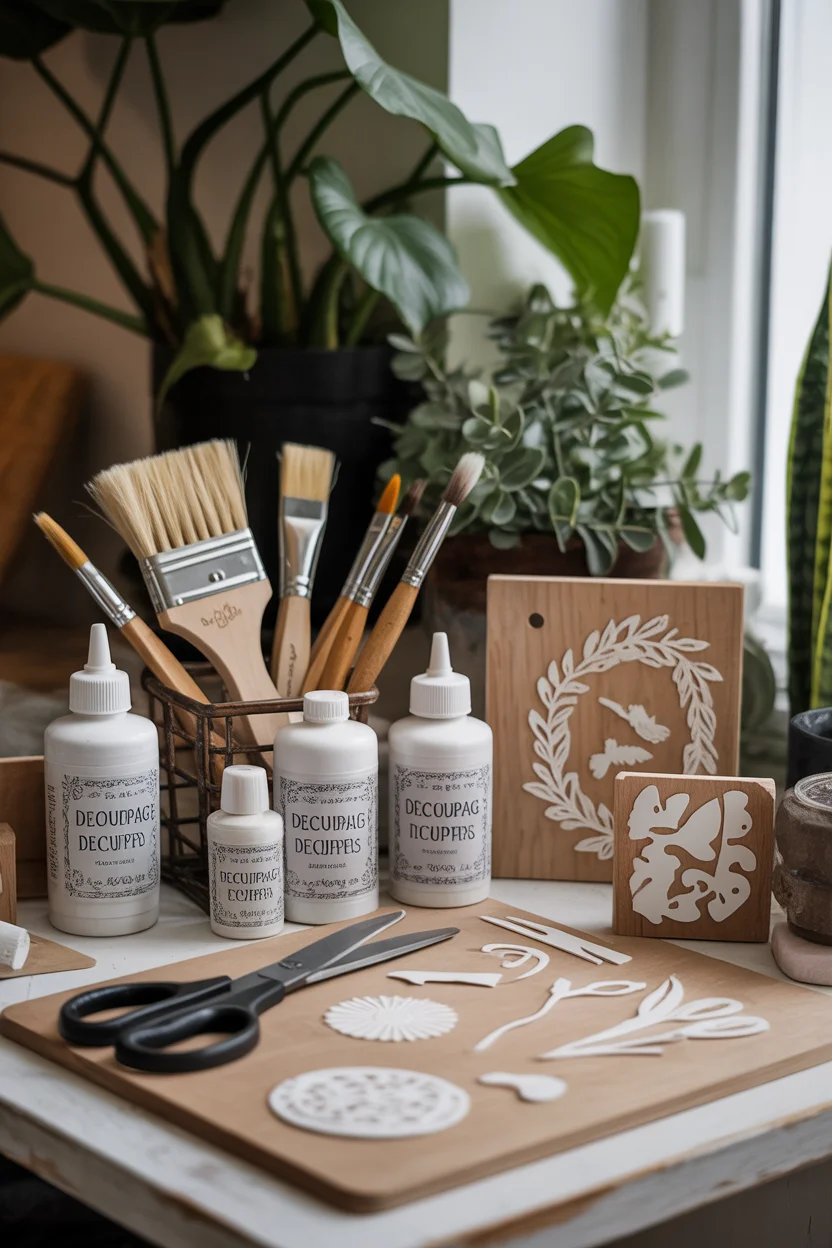
- Mod Podge (matte or glossy—your pick) or white glue thinned with a bit of water.
- Scissors or a craft knife for precise cutting.
- Foam brush or old, soft paintbrush.
- Sandpaper and a rag. Trust me, cleaning and smoothing matters.
- Optional: decorator fabric scraps if you want more texture or a heavier look.
Decoupage Furniture Inspirations
Let’s rapid-fire a bit of inspiration, no filter—these are easy, and some are downright jaw-dropping:
- Cover a drawer front in a wild floral pattern using wrapping paper for a cheerful pop.
- Try a patchwork of old book pages or maps on the top of a forgotten bench.
- Use decorator fabric for an upholstered vibe—seriously, check out local favorites, or “decorator fabrics near me” for new patterns.
- Finish with a metallic or painted trim for drama—always a crowd-pleaser!
Common Questions
Do I need to sand furniture before decoupage?
Yes, even if you’re feeling lazy. Sanding helps the glue grip. No shortcuts here.
Does decoupage work on laminate furniture?
It totally works; just sand, clean, and be extra generous with the glue.
Can I decoupage fabric instead of paper?
Absolutely. It’s a bit heavier and takes longer to dry, but the texture is so worth it.
What if my paper wrinkles?
Hey, happens to the best of us. Try gently smoothing with a plastic card, but sometimes a little wrinkle adds character.
Is Mod Podge the only glue for decoupage?
Nope! Any PVA glue that dries clear works. Mod Podge is just super convenient.
Ready To Tackle Your First Decoupage Project?
So, that’s the scoop—decoupaging furniture is kind of like making a pizza: a little messy, heaps of fun, and the best results come from experimenting. If you’re inspired, why not try using some decorator fabric or even hunt for “decorator fabrics near me” for a special twist? From sealing techniques to wild paper choices, the creativity is all you. For an extra sprinkle of know-how, check out guides like How To Decoupage Furniture: A Step-By-Step Guide (With Pictures …) or even peep at complete fabric guides before you pick your patterns. Go wild, make it a weekend project, and don’t forget: it’s supposed to be fun—even if it gets a little weird along the way!