Table of Contents
Why This Décor Idea Matters
MATCHING ANTIQUES—antique furniture carries history, artistry, and soul, but the magic truly happens when different eras and styles come together. Mixing and matching antiques allows you to craft interiors that feel layered, personal, and timeless. Instead of limiting yourself to one period, you can combine Victorian elegance with mid-century simplicity, rustic farmhouse with Art Deco glamour, or even weave antiques into a modern minimalist space.
This approach not only enhances aesthetics but also reflects individuality. Each piece tells its own story, and when styled together, they form a beautiful narrative that makes your home uniquely yours. Today’s design trends celebrate eclectic interiors that balance old and new for warmth, character, and creativity.—antique furniture carries history, artistry, and soul, but the magic truly happens when different eras and styles come together. Mixing and matching antiques allows you to craft interiors that feel layered, personal, and timeless. Instead of limiting yourself to one period, you can combine Victorian elegance with mid-century simplicity, rustic farmhouse with Art Deco glamour, or even weave antiques into a modern minimalist space.
This approach not only enhances aesthetics but also reflects individuality. Each piece tells its own story, and when styled together, they form a beautiful narrative that makes your home uniquely yours. Today’s design trends celebrate eclectic interiors that balance old and new for warmth, character, and creativity.
What You’ll Need
To master the art of mixing and matching antiques, gather these essentials:
- Anchor Pieces
- Start with one or two key antiques (a sideboard, dining table, or armoire).
- These provide structure and act as focal points.
- Supporting Furniture
- Complement with smaller pieces from different eras: chairs, nightstands, or accent tables.
- Thrift stores, estate sales, and flea markets are excellent sources.
- Unifying Elements
- Rugs, wall colors, or textiles that tie different furniture styles together.
- Budget-friendly option: neutral rugs and linen curtains.
- High-end option: handwoven or designer textiles.
- Accents & Décor
- Vintage lighting, mirrors, or artwork to harmonize the room.
- Plants, ceramics, and books help soften transitions between styles.
Decorating Steps
Here’s how to mix antiques with confidence and style:
1. Begin with a Focal Point
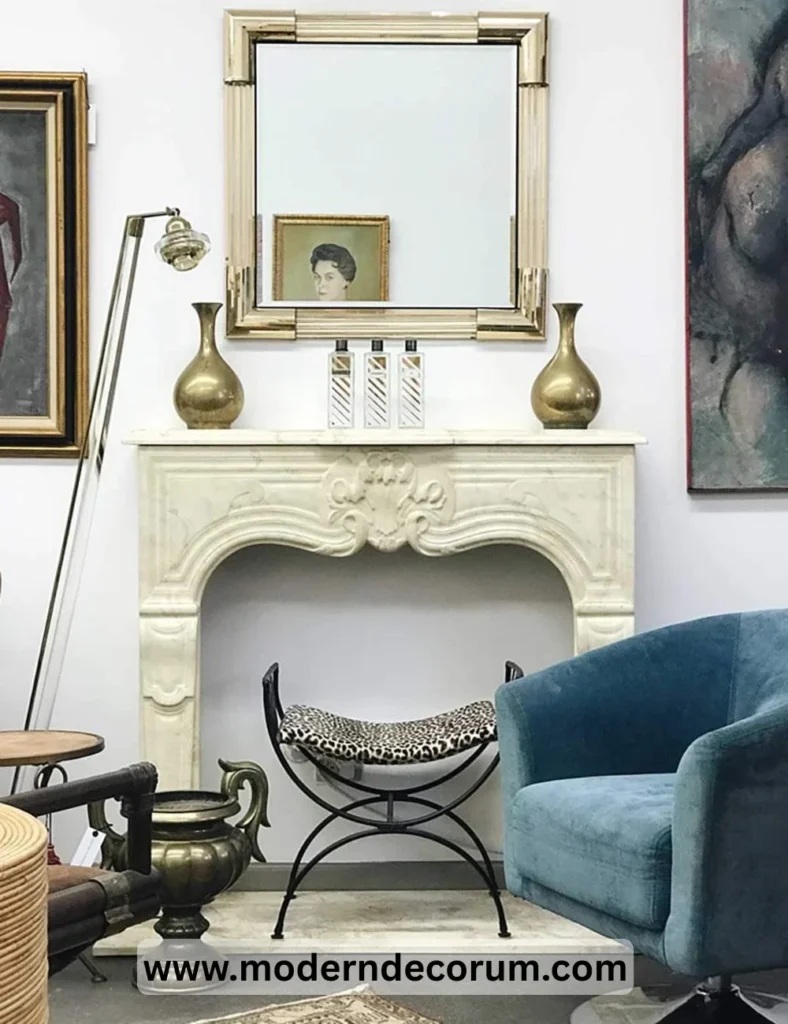
Select a standout antique piece to anchor the space. For example, a carved oak dining table or a gilded mirror.
Pro Tip: Avoid crowding—let your anchor piece breathe.
2. Balance Eras Thoughtfully
Mix one bold antique with simpler pieces from different periods. For instance, pair an ornate Victorian chair with a streamlined mid-century coffee table.
Why It Works: Contrast creates visual interest without overwhelming.
3. Unify Through Color and Texture
Choose a consistent color palette. For example, wood tones or upholstery fabrics that echo each other, even if styles differ.
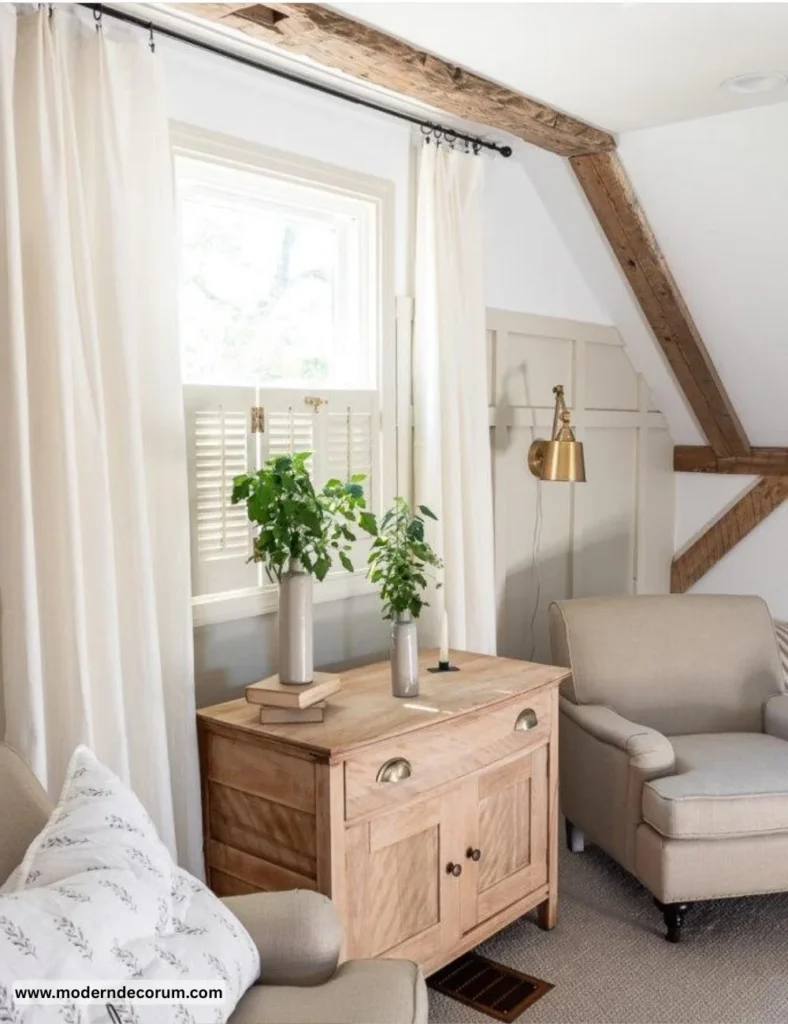
Pro Tip: Neutral backdrops (white, beige, gray) let antiques shine while preventing visual clutter.
4. Layer Accessories for Cohesion
Vintage rugs, cushions, and lighting can act as bridges between eras. A Persian rug under a farmhouse table instantly adds harmony.
5. Embrace Imperfections
Patina, wear, and craftsmanship details are part of the story. Don’t hide them—let them show.
Design Tips & Variations
- Mixing Wood Tones
- Use contrast intentionally: dark walnut alongside lighter oak can feel dynamic if balanced with a rug or textile.
- Combining Styles
- Rustic & Refined: Pair a farmhouse bench with crystal chandeliers.
- Industrial & Classic: Iron accents with antique wooden desks.
- Mid-Century & Traditional: Sleek sideboards under ornate portraits.
- Seasonal Styling
- Summer: Lighten the look with airy linen covers and fresh flowers in antique vases.
- Winter: Add velvet cushions, layered rugs, and candlelight for coziness.
- Modern Mixes
- Don’t hesitate to place antiques in minimalist spaces. A single antique desk in a modern home office can be striking.
FAQ / Common Challenges
Q: How do I avoid my home looking cluttered with too many antiques?
A: Focus on a few standout pieces and balance them with neutral surroundings. Less is more when mixing eras.
Q: Can I mix antiques with IKEA or modern furniture?
A: Absolutely. Modern basics can provide the clean backdrop antiques need to shine.
Q: How do I know which styles work together?
A: Look for common threads—wood tones, upholstery fabrics, or shapes. If they share a design element, they’ll harmonize.
Q: What if my antiques are mismatched in size?
A: Use layout tricks—group smaller pieces together, and let larger items stand alone as statement anchors.
Conclusion & Call to Action
Mixing and matching antiques isn’t about following strict rules—it’s about creating a home that feels layered, soulful, and entirely yours. By thoughtfully blending eras, balancing styles, and unifying through color and texture, you can transform your interiors into a living story of history and personality.
Ready to experiment? Start with one antique piece, add a contrasting style, and build from there. Each addition will bring depth and charm to your space.
Which two antique styles would you love to mix in your home—Victorian elegance with rustic farmhouse, or mid-century sleekness with Art Deco flair?