Apartment Renovation Ideas 2026: Modern Apartment Color Palettes For Curved Interiors
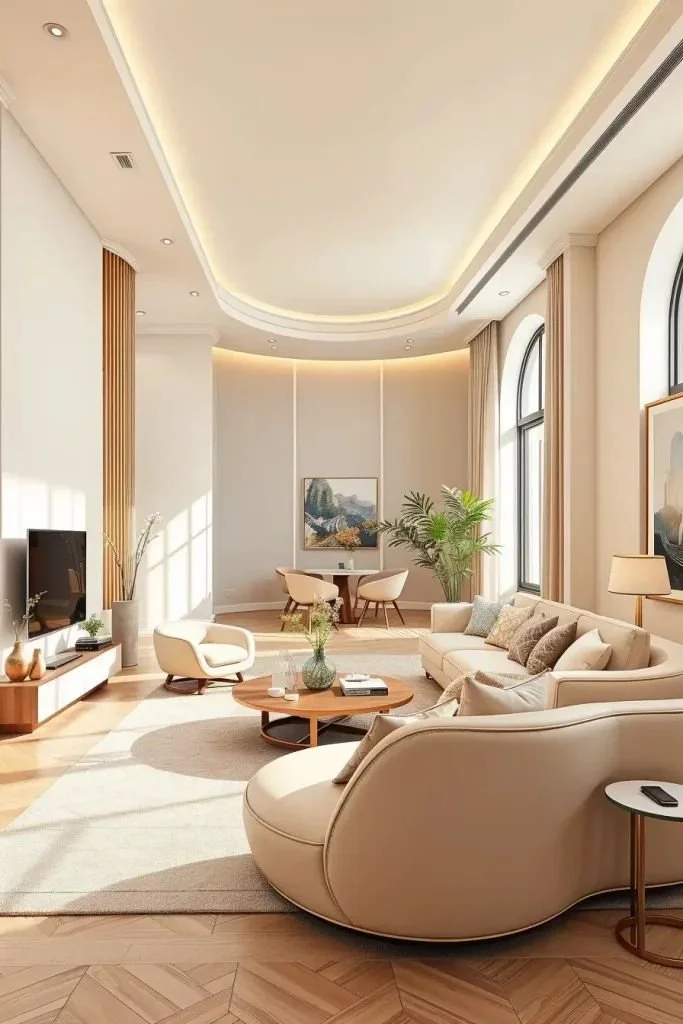
Imagine walking into a room where walls whisper instead of shout — soft arcs wrap around you, light pools gently along a rounded sofa, and colors move like breath from one curve to the next. Curved interiors soften hard edges and invite touch. In 2026, the smartest apartment renovations pair those sensuous shapes with modern color palettes that amplify flow: muted terracotta meeting chalky sage, buttery ochre curving into dove gray, or a graphite arch offset with pearly blush. Texture — low-pile boucle, satin plaster, matte ceramic — becomes the punctuation that convinces the eye to linger.
This look matters because it’s more than fashion; it’s living design. Curved interiors and intentional palettes make compact apartments feel curated rather than cramped. They transform a corner into a cozy reading nook, a hallway into an artful procession, and a living room into an inviting conversation pit. For hosts, the result is effortless warmth; for someone working from home, it’s a backdrop that calms without being boring. You’re not just painting walls — you’re designing moments.
Timing matters too. These palettes are perfect for a seasonal refresh as the light changes, for cozying up winter corners, or for renter‑friendly updates before hosting a holiday dinner. They’re also ideal for modern updates that don’t require ripping up floors: paint, textiles, and a few statement pieces can reframe curved architecture without structural changes. If you’d like more focused dining or kitchen renovation inspiration that complements curved designs, check out this guide to dining room renovation ideas that works with organic shapes.
Style Snapshot
Curved interior palettes in 2026 are a decor approach that treats color, texture, and soft geometry as a single design language. This is less about a single “piece” and more about layered elements — wall finishes, upholstery, lighting, textiles, and accessories — that collectively emphasize flow and tactile warmth.
Main style: modern with strong Scandinavian and mid‑century influences; can skew minimalist or cozy depending on materials and accents.
Typical colors, materials, and textures:
- Colors: muted earth tones (sandalwood, sage, terracotta), soft pastels (pearl pink, pale aqua), deep grounding hues (slate, charcoal) and warm neutrals (cream, oat).
- Materials: plaster or satin paint, boucle and velvet upholstery, matte ceramics, smoked glass, oak and walnut wood.
- Textures: brushed plaster walls, nubby textiles, satin metals, woven rugs, ribbed glass.
Best rooms/zones: living room curved sofas and banquettes, rounded bedroom headboards and alcoves, entryways with arched niches, dining nooks, and small home offices.
DIY vs. store‑bought: mix — paint and textile swaps are easy DIY; curved furniture or custom upholstery may be store‑bought or bespoke.
Design Impact
A thoughtfully chosen palette can change how a curved interior reads. Visually, softer, analogous color transitions emphasize continuity: a slightly deeper base on the lower wall creates an anchor while a lighter hue on the curve guides the eye upward. The result feels cohesive and spacious because the eye is encouraged to flow rather than halt at corners or abrupt contrasts.
Emotionally, these palettes encourage calm and sociability. Warm earth tones soothe and invite conversation; cooler palettes — pale aqua with warm white — can feel refreshed and crisp, excellent for productive mornings. Picture winding down with a warm cup on a boucle armchair as a low, curved lamp casts golden light; or hosting friends in a living room where layered neutrals let your artwork and ceramics pop.
Practically, curved interiors and coordinated palettes help hide wear and make cleaning logical. A two-tone wall treatment lowers the visual noticeability of scuffs near baseboards; textured fabrics hide pet hair better than shiny weaves. For multiuse apartments, a unified palette also makes it easier to move pieces between zones — a cushion that works with your bed, sofa, or bench keeps styling cohesive for both everyday and guest-ready setups.
Why Choose It
This approach is perfect for renters, small-apartment dwellers, design enthusiasts, and anyone who wants a modern update without a full remodel. Renters benefit from paint-friendly schemes and decor swaps — removable wallpaper or peel-and-stick tiles in a curved backsplash can add personality without violating lease terms. Small spaces particularly gain from the fluidity of curves and restrained palettes; they reduce visual clutter and promote serenity.
Key strengths include adaptability and longevity. The 2026 palettes lean toward timelessness — think of colors that nod to nature rather than fleeting neon trends — and updating the mood is as simple as swapping cushions or changing a lamp. It’s budget‑friendly because small investments (a painterly accent wall, a sculptural side table, a rounded mirror) make a large perceived impact.
Real-life problem solved: a dark, awkward corner by a curved staircase becomes a purposeful nook by painting the arch a slightly deeper hue, adding a rounded console, and layering a slim floor lamp. Suddenly the corner feels intentional, increasing usable space and giving guests a visual focal point instead of an eyesore.
How to Style Apartment Renovation Ideas 2026: Modern Apartment Color Palettes For Curved Interiors
{ingredients}
- Main items:
- Satin or eggshell paint in 2–3 coordinated hues (base, accent, highlight)
- Curved sofa or rounded loveseat (or a bullnose bench for budget)
- Textiles: boucle throw, velvet cushion, wool or jute rug
- Lighting: arc floor lamp, warm LED bulbs (2700–3000K), table lamps with soft shades
- Statement mirror with rounded frame or an arched wall mirror
- Low-profile coffee/side tables in wood or matte metal
- Optional extras:
- Sculptural ceramics, ribbed glass vases, wall sconces that echo curves
- Plants (ferns, pothos, or snake plants) in textured pots
- Decorative trays, woven baskets for storage, layered area rugs
- Budget-friendly substitutions:
- Peel-and-stick wallpaper for accent arches instead of paint
- Thrifted mid-century rounded chairs reupholstered with an affordable fabric
- DIY plaster finish using tinted joint compound for a tactile wall surface
{directions}
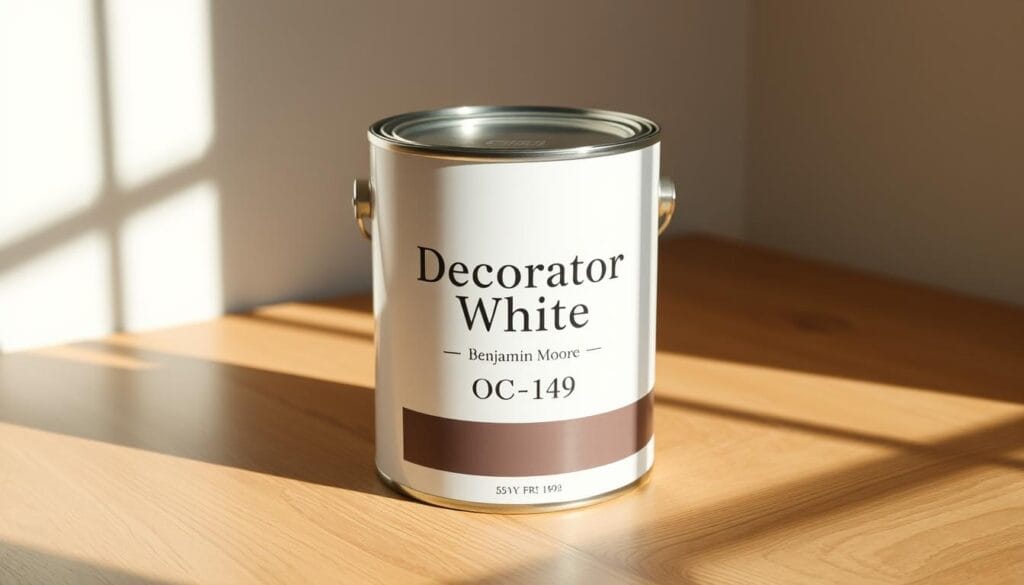
- Start with light: Evaluate natural light at different times. Choose a base wall color that reads slightly warmer in the evening — creamy whites, oat, or pale gray work well for most curved spaces.
- Map the curves: Trace your curved walls and arches with painter’s tape or chalk. Decide whether to paint the entire curve or just frame it with a darker tone to create depth.
- Pick a trio: Select a base, an anchor (deeper) hue, and a highlight (lighter or contrasting) color. For example, base = dove gray, anchor = graphite, highlight = warm blush.
- Test samples: Paint large swatches near the curves and live with them for 48 hours to see how light and furnishings alter perception.
- Layer textures: Add a boucle chair or throw to echo the softness of curves; mix in a smooth leather or satin cushion to introduce contrast without competing colors.
- Anchor with furniture: Place the curved sofa or bench so it follows the architectural flow — parallel to an arched wall or centered under a rounded alcove. Keep 12–18 inches between sofa and coffee table for balanced traffic flow.
- Scale lighting: Use an arc floor lamp to emphasize a curved seating area; add table lamps on either side for layered, cozy illumination. Avoid harsh overheads; if unavoidable, use dimmers.
- Accessorize thoughtfully: Group ceramics in odd numbers on rounded trays; lean a curvy mirror against a wall to reflect light and make the curve feel intentional.
- Avoid high-contrast clutter: If you’ve chosen a muted palette, don’t introduce stark black accents that interrupt flow. Instead, use deep charcoal sparingly to add grounding.
- Final check: Walk the room in different light and from multiple angles. If the curve reads flat, add a tactile element — a ribbed rug, plaster strip, or a shelf with rounded corbels.
Room Setting Inspiration
Curved palettes work beautifully in entryways, living rooms, bedrooms, and open-plan studios. In an entryway, paint an arched niche a moody anchor hue and place a round mirror plus a slim console — a tactile woven runner completes the welcome. For living rooms, center a rounded sofa beneath a softly painted curve and place a low, sculptural coffee table in front to keep sightlines fluid.
Pairing suggestions:
- Plants and natural fiber rugs for a warm, earthy scheme.
- Candles and brass trays to add soft reflections for evening gatherings.
- Layered throws and cushions in different scales — one large color block, one small geometric, and one tactile solid — to create interest without clutter.
Small-space idea: Use a single painted curve behind your bed as a headboard substitute, then mirror the arc with a rounded wall sconce to frame the sleep zone.
Large, open-plan idea: Define zones by painting subtle tonal curves on the walls — a soft sage in the dining nook, a muted terracotta in the seating area — to create rooms-within-a-room without partitions.
Also useful for kitchen-adjacent design cues is advice on coordinating finishes with cabinetry and counters — explore kitchen renovation suggestions that play well with rounded breakfast nooks at kitchen renovation ideas.
How to Maintain
Cleaning and care are straightforward if you match materials to lifestyle. For painted plaster or satin walls, dust lightly each week and wipe scuffs with a damp microfiber cloth and mild detergent. For velvet or boucle upholstery, vacuum with a soft brush attachment weekly and spot-treat spills immediately — blot, don’t rub. Rotate cushions and throws seasonally to prevent one‑sided wear.
How often to refresh: deep clean textiles every 3–6 months depending on traffic; launder removable slipcovers seasonally. Protect pieces from direct sunlight to avoid fading — use sheer curtains to filter harsh afternoon rays. For ceramics and metal finishes, dust and gently polish with a soft cloth; avoid abrasive cleaners on matte surfaces.
Storage tips: store seasonal decor in breathable bins with silica packets to guard against moisture. For rounded cushions or poufs, stack carefully to maintain shape and use garment bags for delicate textiles. Keep a spare set of neutral cushion covers for quick updates between seasons.
Designer’s Advice
- Balance scale: let curved furniture be the hero — keep side tables slim to avoid visual competition.
- Warm light matters: use bulbs at 2700–3000K to make earthy palettes feel inviting.
- Layer textures: mix nubby yarns, smooth leathers, and matte ceramics to keep one-color schemes interesting.
- Repeat shapes: echo curves in mirrors, trays, and lighting to reinforce the language of the room.
- Keep negative space: allow breathing room around curves to honor their shape — don’t overcrowd.
- Use tonal contrast: a slightly darker base near the floor helps anchor furniture and hides scuffs.
- Test color in real light: always check paint at different times and against the upholstery you plan to use.
Creative Variations
- Minimalist Curves: Stick to a monochrome palette — warm off-white and pale gray — with sparse furniture and sculptural lighting for a serene, gallery-like apartment.
- Cozy Eclectic: Pair terracotta and deep olive with layered rugs, patterned cushions, and reclaimed wood pieces for a lived-in, collected look.
- Budget Refresh: Keep existing furniture but repaint a single arch and add thrifted curved mirrors and DIY slipcovers to change the vibe affordably.
For occasions: switch cushion fabrics and add metallic accents for festive gatherings; swap in cooler linen throws and woven baskets for a breezy summer feel.
Frequently Asked Questions
Q: How do I match curved color palettes with existing furniture?
A: Pull three hues from your furnishings — a dominant neutral, a mid-tone, and an accent — then apply them to walls and textiles. Keep the largest pieces neutral and use accents to tie curves to furniture.
Q: Is this renter‑friendly?
A: Yes. Use removable wallpaper, temporary paint techniques, or freestanding curved furniture. Command hooks and leaning mirrors allow many effects without permanent changes.
Q: How do I adapt for a very small apartment?
A: Paint just one curve behind a key zone (bed or sofa), use slim, multi‑use furniture, and emphasize light to maintain openness.
Q: Where can I find quality, affordable pieces?
A: Search local vintage shops for rounded furniture, use neutral base pieces from larger retailers, and upgrade with small, tactile items from independent makers or thrift stores.
Q: Best cleaning practice for boucle?
A: Vacuum regularly, spot treat with a mix of mild detergent and water, and avoid soaking. For heavy stains, consult a professional upholstery cleaner.
Conclusion
Curved interiors combined with modern 2026 color palettes are a refreshing way to make apartments feel intentional, cozy, and contemporary. Try a single painted arch, add tactile textiles, and layer warm lighting to see how small changes create big emotional returns. Share your before-and-after photos or questions in the comments — we love seeing how readers interpret these ideas.
For broader inspiration on modern interiors and how curved palettes fit into contemporary trends, check out this roundup of 15 Best Modern Interior Design Ideas of 2026 and this practical guide to Contemporary Interior Design Ideas: Modern Home Decor Guide. Explore more at Moderndecorum.com and join our community for weekly tips and seasonal palettes.