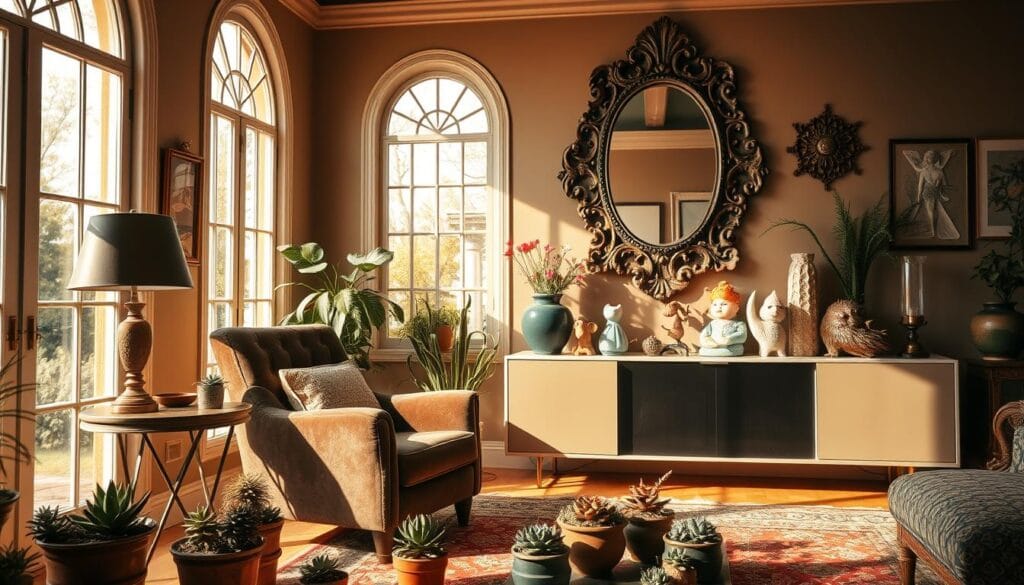
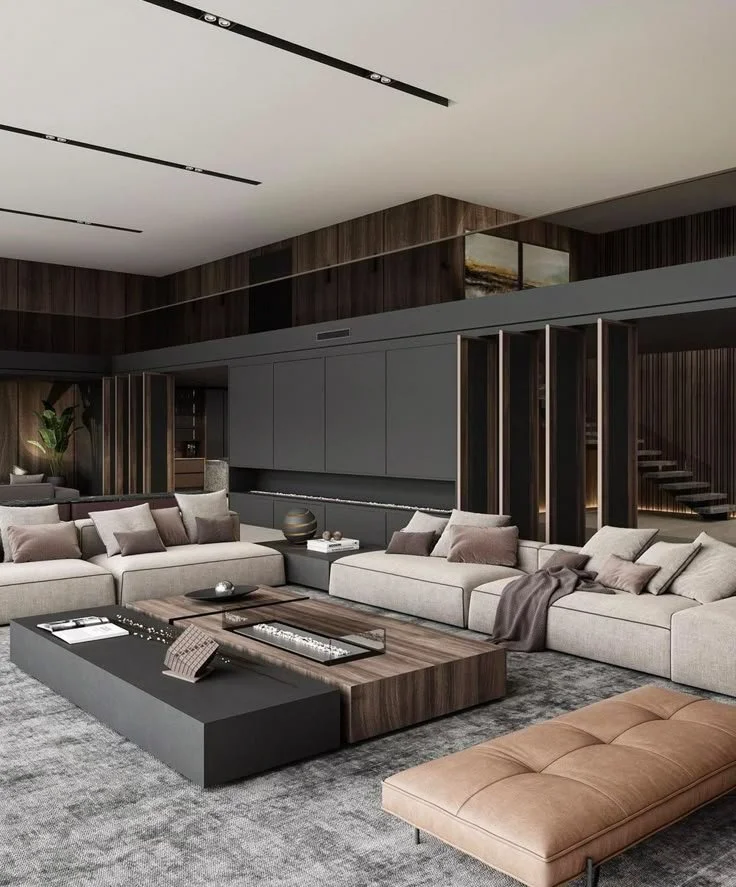
Modern Living Room: Cozy, Luxurious & Spacious
Imagine sinking into a deep, pillowy sofa as late-afternoon light pours over matte plaster walls and a low-pile wool rug muffles footsteps. The room breathes — clean-lined furniture creates visible floor space, while layered textures and warm metallic accents invite you closer. That contrast between airy openness and tactile comfort is the essence of a modern living room that feels both cozy and luxurious, yet never cramped.
This style is about sensory balance: the cool smoothness of glass or lacquered surfaces beside the soft nap of a cashmere throw; the subtle sheen of brass or smoked chrome against matte ceramics; a neutral palette punctuated by a jewel-toned accent to add depth. The mood is relaxed but refined, ideal for slow Sundays, lively dinner parties, and quiet evenings with a book and a glass of wine. It signals that your home is considered — designed for living, not just for show.
Why does this decor idea matter? Because our living rooms do double duty: they host, they rest, they work, they gather memories. A design that reads as both inviting and elevated supports everyday comfort and effortless entertaining. Whether you’re refreshing for a new season, making a small apartment feel larger, updating a rental without major renovations, or preparing for holiday guests, this approach adapts beautifully. If you’re drawn to natural textures and modern lines, our take on this look blends inspiration from cozy, earthy rooms and updated farmhouse sensibilities for a uniquely modern result — see an example of earthy influences in our guide to earthy living room designs.
SECTION 1 — Style Snapshot
What it is: Modern Living Room: Cozy, Luxurious & Spacious is a holistic decor approach — a combination of furniture choices, textiles, lighting, and finishing touches that create a contemporary living area that feels warm and roomy. It’s not a single furniture piece but a curated room strategy.
Main style: Primarily modern with strong Scandinavian and luxe contemporary influences. Minimalist lines meet plush fabrics and refined metallic accents.
Typical colors, materials, and textures:
- Soft neutrals (warm whites, greiges, taupes) with deep accents (navy, emerald, terracotta).
- Materials: oak or walnut wood, brushed brass/chrome, leather, linen, velvet, wool, glass, and matte ceramics.
- Textures: boucle upholstery, ribbed ceramics, woven baskets, soft sheepskins, and layered rugs.
Best rooms or zones: Living room main seating area, reading nook, open-plan lounge/dining areas, and apartment living rooms that need to feel larger without losing comfort.
DIY vs. buying: Mix — mostly store-bought for key furniture pieces, with easy DIY options for accessories, artwork, and shelving styling.
SECTION 2 — Benefits
This decor approach changes a space profoundly. Visually, it opens a room by maximizing light and using low-profile furniture to maintain sightlines. A restrained color palette stretches the eye, while a few well-chosen dark accents anchor the room and give depth. Layered lighting — a sweeping floor lamp, recessed ceiling lights, and candles — sculpts the space and creates different moods for morning coffee, focused work, or an evening with friends.
Emotionally, the mix of sumptuous textiles and clean lines cultivates calm and confidence. You feel invited to relax because the room is soft, but it also feels polished — perfect for hosting without last-minute panic. Practically, this style supports multi-use living: a bench-style coffee table with hidden storage keeps clutter at bay; a slim console behind a sofa defines zones in open-plan flats; and modular sofas allow seating to expand when guests arrive. Picture a late-night catch-up with friends: ambient lights warm the space, a tray on the ottoman holds drinks, and ample floor space makes it easy to circulate — all without compromising style.
SECTION 3 — Why Choose It
Who it’s perfect for: Renters and homeowners alike who want a room that’s current yet enduring. It’s ideal for small apartments that need to feel expansive, growing families who want durable but pretty pieces, and anyone who wants to balance comfort with a touch of luxury.
Key strengths: This approach is flexible and scalable. It’s timeless because it relies on proportion and texture over trendy motifs. It’s easy to update seasonally — swap cushions and throws for instant changes — and budget-friendly: invest in a few statement pieces and layer in thrifted or DIY items.
Real-life problem solver: Have an awkward empty wall that makes your living room feel incomplete? A low-profile credenza with a large round mirror above, a pair of sculptural sconces, and a lean plant can turn dead space into an elegant focal point. Or: a cramped seating arrangement that blocks pathways can be solved by replacing an oversized armchair with a sleeker lounge chair and a nesting side table — you gain walking room and preserve cozy conversation zones.
SECTION 4 — How to Style Modern Living Room: Cozy, Luxurious & Spacious
ingredients
- Main items:
- Low-profile sectional or three-seat sofa in neutral upholstery
- Accent armchair (velvet or leather)
- Coffee table (wood or marble top) and a smaller nesting side table
- Media console or low credenza
- Area rug (layered rugs optional)
- Floor and table lamps with warm bulbs
- Optional extras:
- Boucle pouf or ottoman
- Decorative trays, sculptural vases, and candles
- Throw blankets in cashmere or chunky knit, assorted cushions
- Wall mirror, framed artwork, or a gallery arrangement
- Plants (large floor plant and several small potted greens)
- Textured baskets for storage
- Budget-friendly substitutions:
- IKEA-style modular sofas for affordability
- Thrifted side tables or refinished vintage coffee tables
- Faux fur or acrylic alternatives for luxe looks on a budget
directions
- Start with a blank slate: clear the room of excess clutter. Measure the space — sofa depth, walking paths, and sightlines to windows and focal points like a fireplace or TV.
- Choose a neutral foundation: pick one neutral color for the largest pieces (sofa, rug) and commit to it. Neutrals visually enlarge a room and make layering easier.
- Anchor with a rug: select an area rug that’s large enough for at least the front legs of all main seating to sit on it — this unifies the layout and makes the space feel intentional.
- Arrange seating for conversation: position the sofa facing the room’s focal point and add an armchair at a 30–45° angle with a small table between. Maintain at least 30–36 inches of walkway around seating for flow.
- Layer lighting: combine ceiling, task (floor or table lamps), and accent lighting (wall sconces or candles). Use dimmers where possible and choose warm (2700K–3000K) bulbs to enhance coziness.
- Add texture in thirds: introduce three distinct textures (e.g., leather, wool, and brass). Spread them around the room to achieve balance: a leather ottoman, a wool rug, brass lamp, and linen cushions.
- Introduce a statement accent: choose one bold element — a deep-blue velvet chair, an oversized abstract, or a sculptural brass lamp — and let it be the conversational piece.
- Tidy with stylish storage: use low credenzas, woven baskets, or built-in shelving to hide electronics, throws, and toys. Keep surfaces clear of small visual clutter.
- Finish with greenery and personal items: place a tall plant in an empty corner and group smaller plants or objects in odd-numbered arrangements on the coffee table or shelf.
- Edit and rotate seasonally: live with the space for a week and remove or swap anything that feels unnecessary. Rotate cushions and throws as the seasons change for instant refreshes.
Common mistakes to avoid:
- Too many small rugs: they fragment the room. Aim for one large anchor rug or layered rugs with clear visual cohesion.
- Ceiling light only: a single overhead fixture can feel harsh. Layer light.
- Over-accessorizing flat surfaces: use trays to corral items and maintain negative space.
SECTION 5 — Showcasing Ideas
There are many ways to adapt this style across rooms. In an entryway, a narrow console with a textured lamp, a small stack of books, and a sculptural bowl creates an inviting first impression. In a home office or reading nook, a cozy armchair, a floor lamp, and a slim side table make a productive yet comfortable zone. For dining areas, extend the palette with upholstered dining chairs and a low-profile buffet to keep flow open.
Pairing recommendations:
- Plants: a fiddle-leaf fig or rubber plant brings life and vertical scale.
- Candles and trays: group on the coffee table for layered texture and easy entertaining.
- Mirrors: place a round mirror above a console to bounce light and expand the space.
- Throws and cushions: mix materials — linen, velvet, and knit — for tactile richness.
- Shelves and baskets: use for curated display and hidden storage.
Small-space idea: choose a compact, armless sofa, mount the TV on the wall, and use floating shelves to free floor space. A single large rug and a mirrored surface can visually expand the room.
Large open-plan idea: define zones with rugs and low-profile furniture; position the sofa to act as a subtle room divider between lounge and dining areas, then repeat accent colors to create cohesion.
Don’t forget: for inspiration that blends modern and farmhouse touches, consider browsing our post on modern farmhouse living room ideas.
SECTION 6 — How to Maintain
Maintenance is straightforward when you think in layers. Vacuum rugs weekly (or use a suction-only setting for delicate piles) and rotate them seasonally to even out wear. Spot-clean upholstery immediately with manufacturer-recommended cleaners or a mild dish soap/water solution for small spills; always blot, don’t rub. Leather benefits from a quarterly conditioning; velvet and boucle respond well to gentle steaming or professional cleaning when needed.
Dust open shelving and décor every 1–2 weeks to prevent visual dulling. Metal finishes (brass, chrome) can be wiped with a soft cloth and mild soap; avoid abrasive cleaners that remove patina. Store seasonal textiles in breathable cotton bags in a cool, dry place; keep plants near natural light and rotate them occasionally for even growth. Refresh the room’s feel annually by swapping cushion covers or replacing one accessory — small changes create a big perceived update.
SECTION 7 — Designer’s Advice
- Keep scale in mind: furniture should match room proportions — too-big pieces overpower, too-small pieces float.
- Layer light: always include at least three light sources in a living area.
- Use odd numbers: group accessories in threes or fives for natural, appealing arrangements.
- Stick to a rule of thirds with color: one dominant neutral, one supporting hue, one accent color.
- Mix finishes: pair warm metals with cool metals, but limit to two primary metal tones to maintain cohesion.
- Leave breathing room: avoid overcrowding flat surfaces; negative space is a design element.
- Test paint samples on multiple walls and observe at different times of day before committing.
SECTION 8 — Creative Variations
Minimalist twist: Keep furniture slim and minimal, use monochrome palettes, and add softness only with one textured rug and two cushions. This emphasizes space without sacrificing warmth.
Cozy maximalist: Embrace layered patterns and colors — jewel-tone cushions, patterned wallpaper on an accent wall, and an abundance of plants for a lively, intimate feel.
Budget-friendly mix: Invest in a durable neutral sofa, then source thrifted side tables, DIY a statement art piece, and use high-quality cushion covers to elevate the look without a high price tag.
SECTION 9 — Frequently Asked Questions
Q: Can this look work in a studio apartment?
A: Yes — focus on multifunctional furniture, a cohesive color palette, and strategically placed rugs to define zones and maintain openness.
Q: Is this approach renter-friendly?
A: Absolutely. Use removable hooks for artwork, floor lamps instead of rewiring, and non-permanent wallpaper or peel-and-stick accents to avoid damage.
Q: How do I match this style to existing furniture?
A: Pick one unifying element (color, metal finish, or texture) to tie new pieces to old. For example, match a brass lamp to existing brass hardware.
Q: Where can I find quality pieces without overspending?
A: Look for mid-century or modern secondhand finds, invest in one or two high-quality essentials (sofa, rug), and fill in with budget-friendly accessories.
Q: How do I store seasonal decor?
A: Use labeled, breathable bins and store textiles flat or rolled. Keep items in a dry, temperature-stable place away from direct sunlight.
Conclusion
If you’ve been dreaming of a living room that feels both lavish and livable, Modern Living Room: Cozy, Luxurious & Spacious offers a flexible, stylish path forward. Try layering textures, anchoring the space with a generous rug, and balancing warm lighting with clean-lined furniture — then share what you’ve created. We’d love to see photos or hear your questions and tips in the comments.
For a real-life example of a cozy luxury rental that captures a similar balance of comfort and space, check out this lovely short‑term stay as inspiration: Spacious 4BR | Cozy Luxury, Walkable | Harvard MIT. And if you want more visual ideas and curated rooms to spark your styling, explore this extensive collection of contemporary living rooms: 75 Modern Living Room Ideas You’ll Love.
Explore more decor ideas on Moderndecorum.com and join our community for seasonal tips, DIY projects, and styling challenges.