Table of Contents
Why This Decor Idea Matters
Neutral paint colors are often underestimated, but they’re among the most versatile choices for interior design. Beyond creating a calm and balanced backdrop, the right neutral tones can brighten a space, enhance natural light, and provide a flexible canvas for décor, textures, and accent pieces.
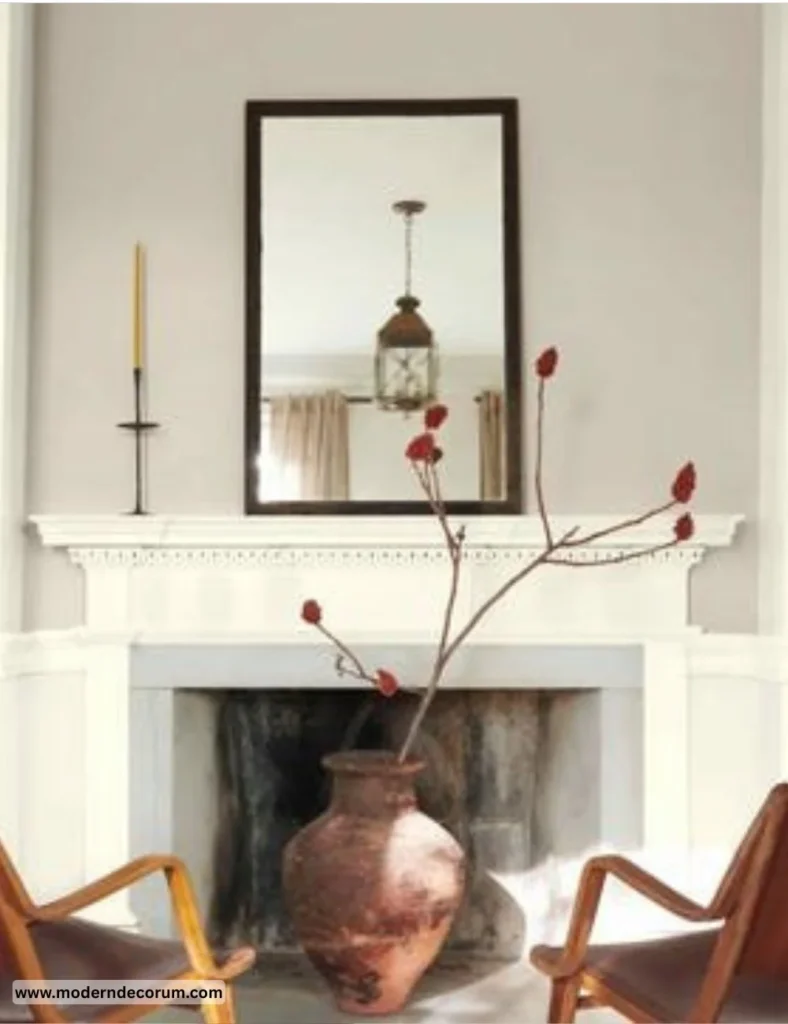
In 2025, designers are showing that neutral doesn’t mean boring. By choosing shades with subtle undertones—warm, cool, or earthy—you can add energy, personality, and sophistication to any room. Neutral walls can make small spaces feel larger, larger spaces feel cozier, and even provide the perfect setting for bold furniture, artwork, and textiles.
What You’ll Need
To get started, you’ll need:
- High-Quality Paint
- Purpose: Ensures smooth, even coverage and true color representation.
- Budget-Friendly Option: Mid-range paints with good reviews.
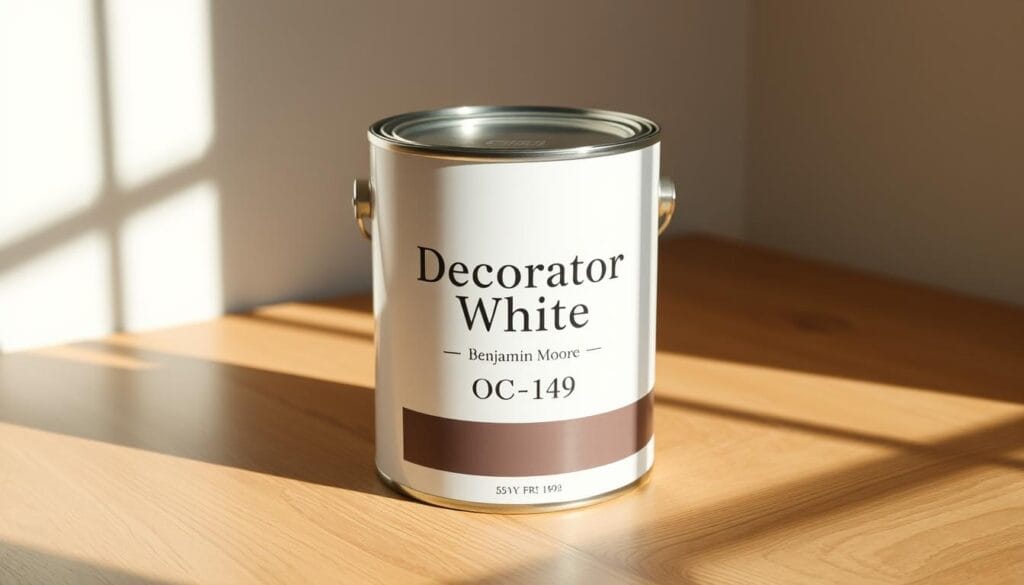
- High-End Option: Designer paints like Farrow & Ball or Benjamin Moore for richer undertones.
- Painting Tools
- Rollers, angled brushes, painter’s tape, and drop cloths.
- Pro Tip: Synthetic bristles work best for water-based paints.
- Color Samples
- Purpose: Test shades in the room’s lighting before painting all walls.
- Accent Accessories
- Rugs, cushions, curtains, and artwork that complement the neutral palette.
- Tip: Layer textures to bring warmth and depth to the space.
Decorating Steps
Step 1: Choose Your Neutral Shade
- Action: Pick a neutral color with undertones that suit your room and lighting.
- Rationale: Warm neutrals make a room feel cozy, while cool neutrals add freshness and sophistication.
- Pro Tip: Test small swatches on multiple walls and observe in both natural and artificial light.
Step 2: Prep Your Space
- Action: Clear furniture, cover flooring, and clean walls.
- Rationale: Proper preparation ensures a smooth, professional finish.
Step 3: Apply Paint
- Action: Apply two even coats using a roller for large areas and brushes for edges.
- Rationale: Achieves consistent color depth and a polished look.
Step 4: Accessorize & Layer Textures
- Action: Add complementary décor, textiles, and furniture pieces.
- Rationale: Prevents the room from feeling flat and creates a lively, inviting atmosphere.
6 Neutral Paint Colors That Can Liven Up a Room
- Warm Beige – Adds softness and warmth, ideal for living rooms and bedrooms.
- Soft Taupe – Elegant and versatile, pairs beautifully with bold accents.
- Creamy White – Brightens spaces and reflects natural light effectively.
- Sage Gray – Calming with a subtle green undertone that adds freshness.
- Pale Sand – Earthy and cozy, perfect for creating a relaxed vibe.
- Greige (Gray + Beige) – Modern and sophisticated, complements almost any décor style.
Design Tips & Variations
- Layering: Mix neutrals with pops of color through cushions, throws, or artwork.
- Textures: Use velvet, linen, wood, and metallics to add depth.
- Accent Walls: Apply a slightly darker neutral to a single wall for contrast.
- Lighting: Adjust warm or cool-toned bulbs to enhance the undertones in your chosen shade.
FAQ / Common Challenges
Q: Can neutral colors feel boring?
- Answer: Not if you layer textures, use varied finishes, and incorporate accent pieces.
Q: How do I choose the right neutral for small rooms?
- Answer: Lighter neutrals open up small spaces, while darker neutrals work best as accent walls.
Q: Can I pair multiple neutral shades in one room?
- Answer: Yes—mix warm and cool neutrals for depth and sophistication.
Q: Do neutrals work with bold furniture?
- Answer: Absolutely—neutral walls make bold furnishings and accessories stand out beautifully.
Conclusion & Call to Action
Neutral paint colors don’t have to be dull—they’re the perfect foundation for a lively, stylish, and inviting space. With the right choice, preparation, and styling, your walls can brighten a room, complement your décor, and elevate the overall aesthetic.
Which neutral shade will you try first to transform your space? Experiment with one of these six designer-approved neutrals and bring your room to life today!