Table of Contents
Open-Concept Living: Maximizing Space for a Seamless Flow
OPEN-CONCEPT LIVING has become a defining feature of modern home design, offering a perfect blend of aesthetic elegance and functional brilliance. More than a mere trend, it embodies a lifestyle choice that optimizes space, improves flow, and fosters a sense of openness throughout the home. Whether entertaining guests or enjoying quiet family moments, an open-concept layout creates a harmonious environment that encourages connection, comfort, and versatility.
This article explores the essential elements of open-concept living, providing practical steps to transform your space while ensuring a seamless transition between areas. Discover why this approach to home design is not just visually appealing, but truly transformative for everyday living.
Why This Decor Idea Matters
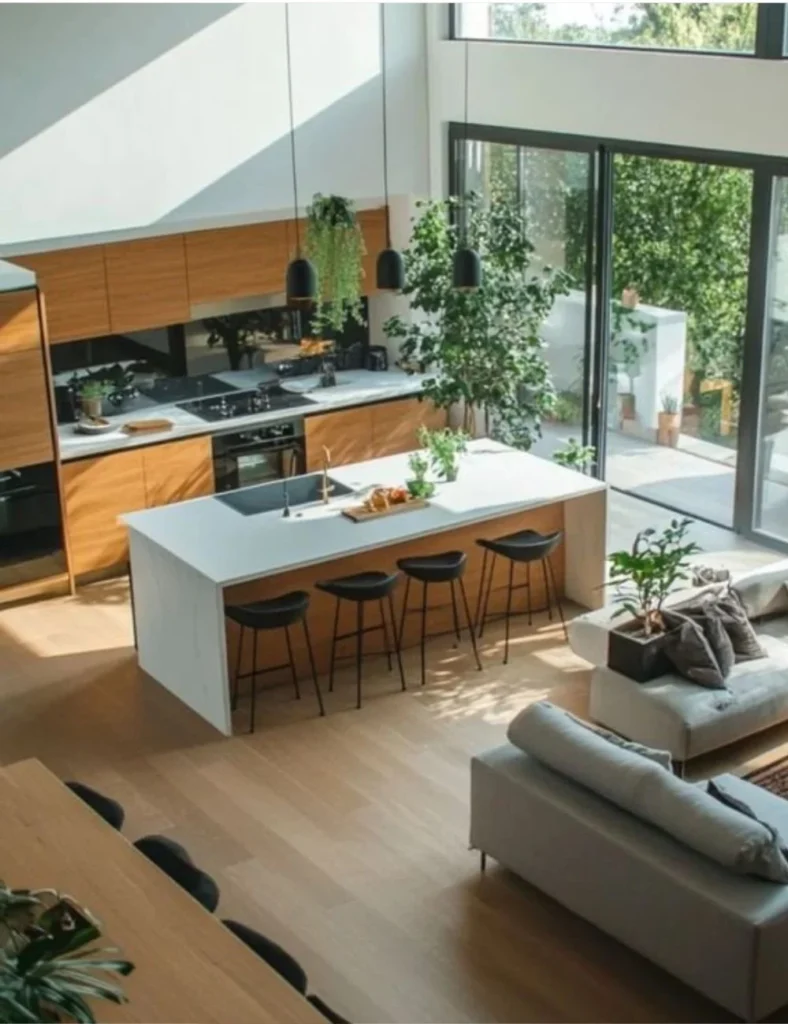
Open-concept living layouts break down the barriers between rooms, merging areas for cooking, dining, and relaxation into one expansive setting. This stylistic approach not only amplifies the sense of space in smaller homes but also imbues larger homes with an inviting ambiance that encourages interaction.
Aesthetic Benefits
- Visual Continuity: With fewer walls, your home will appear larger and more cohesive.
- Light Flow: Natural light can efficiently travel through interconnected spaces, illuminating all corners.
- Versatile Styling: An open space allows for a more flexible design approach, enabling you to switch themes and color palettes with ease.
Functional Benefits
- Enhanced Socializing: Entertaining guests becomes effortless when cooking and social areas flow together seamlessly.
- Design Efficiency: Maintain a single stylistic vision throughout the home, creating unity in design.
- Family Connection: Whether you are working in the kitchen or relaxing in the living room, family members can engage with one another without feeling isolated.
In addition to aesthetic and functional merits, transitioning to an open-concept layout aligns with current trends towards minimalism and decluttered living, making it a vital consideration for homeowners looking to elevate their lifestyle.
What You’ll Need
To embark on creating an open-concept living space, gather essential materials, furniture, and design elements to facilitate a seamless flow.
Essential Items
- Furniture Pieces:
- Sectional Sofas: These can define living areas without blocking sight lines.
- Multi-Functional Tables: Consider benches or ottomans that can serve additional purposes.
- Bar Stools: Ideal for informal dining spaces, providing additional seating options.
- Lighting Fixtures:
- Pendant Lights: Define areas with stylish lighting that can double as a design feature.
- Floor Lamps: Strategic placement can enhance the ambiance of the space.
- Textiles and Rugs:
- Area Rugs: Use rugs to delineate areas and provide warmth underfoot.
- Textured Throws and Cushions: Layering materials adds depth and comfort to your space.
Sourcing Tips
- Budget-Friendly Alternatives: Visit thrift stores or online marketplaces for unique vintage finds.
- High-End Options: Explore local artisans or upscale stores for bespoke furniture and décor.
- Online Resources: Websites like Etsy and Wayfair can offer inspiration and practical solutions.
Decorating Steps
Creating a cohesive open-concept layout involves thoughtful planning and execution. Follow these steps to ensure your transformation is both stylish and functional.
Step 1: Define Your Functionality
Identify how you want to use your space. Will it be for family gatherings, quiet evenings, or entertaining friends? This understanding will guide your design choices moving forward.
Step 2: Lay Out Your Space
Sketch a floor plan, considering traffic flow and accessibility. Ensure that pathways between areas remain clear, allowing for natural movement.
Step 3: Choose a Color Palette
Opt for a harmonious color scheme that flows from room to room. Soft neutrals can create a calming environment, while bold accents can add personality.
Step 4: Select Key Furniture Pieces
Invest in versatile furniture that serves multiple functions. A dining table that expands for guests or a sofa that doubles as a guest bed can enrich your space.
Step 5: Incorporate Lighting
Use a mix of lighting options—ambient, task, and accent—to create layered lighting. Pendant lights can anchor dining spaces, while floor lamps illuminate cozy corners.
Step 6: Accessorize Thoughtfully
Add personal touches through art, plants, and decorative objects that reflect your unique style. This creates a welcoming home atmosphere.
Pro Tips
- Avoid Clutter: Keep surfaces clear to maintain an airy feel.
- Stay Consistent: Ensure that design elements across spaces harmonize with each other.
Common Mistakes to Avoid
- Too Many Functional Areas: Stick to a few main purposes to maintain clarity in your layout.
- Ignoring Lighting: Lack of adequate lighting can dampen the inviting feel of your space.
Design Tips & Variations
Once you’ve established your open-concept layout, it’s time to inject personality and style. Here are some layout tweaks to consider:
Styling Tweaks
- Color Accents: Add pops of color through accent walls, cushions, or artwork to keep the space lively.
- Lighting Layers: Dimmable lights can provide versatility for different occasions, from bright gathering to soft, intimate settings.
- Texture Mix: Incorporate varied materials—woods, metals, and textiles—to create visual interest.
Seasonal Updates
- Seasonal Decor: Change out cushions, throws, and centerpieces with the seasons to breathe new life into your space throughout the year.
- Fresh Plants: Introduce seasonal plant varieties to enhance the air quality and aesthetic of your living space.
Personal Touches
- Art Choices: Curate a personal gallery wall that reflects your journey and includes pieces you cherish.
- Multifunctional Decor: Opt for decor that serves a purpose, such as stylish baskets for storage or beautifully arranged books on shelves.
FAQ / Common Challenges
How can I create a cozy atmosphere in an open-concept space?
Utilize area rugs to delineate sections, incorporate warm lighting, and add layered textiles to create a comfortable vibe.
What if my space feels too large or empty?
Consider using accessories and larger furniture pieces to create defined zones, which can make the area feel cozier and more inviting.
Can open-concept living work in small spaces?
Absolutely! In fact, open-concept spaces often make small areas feel much larger by eliminating unnecessary walls and barriers.
Conclusion & Call to Action
Open-concept living embodies the perfect blend of style and practicality, proving that less can indeed be more. By breaking down barriers, you can achieve a dynamic environment that fosters connection and uplifted spirits. Whether you’re hosting a lively gathering or enjoying a quiet evening at home, the beauty of seamless spaces amplifies every moment.
Now that you’ve explored the tenets of open-concept living, why not take the first step in transforming your space? Which room will you transform first? Share your thoughts in the comments below, and let’s get started on this exciting journey together!