Table of Contents
Why This Decor Idea Matters
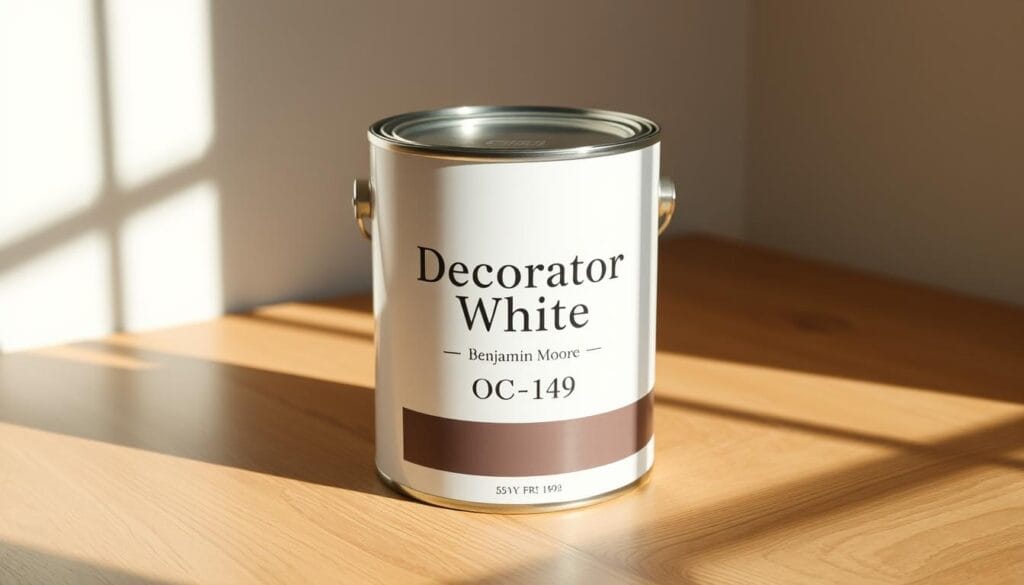
Paint types play a crucial role when it comes to creating stunning accent walls that capture attention and enhance your interior design. Accent walls have captured the hearts of both interior design enthusiasts and minimalists, and for good reason. This décor concept offers an elegant yet practical way to rejuvenate living spaces, enhancing both aesthetics and functionality.
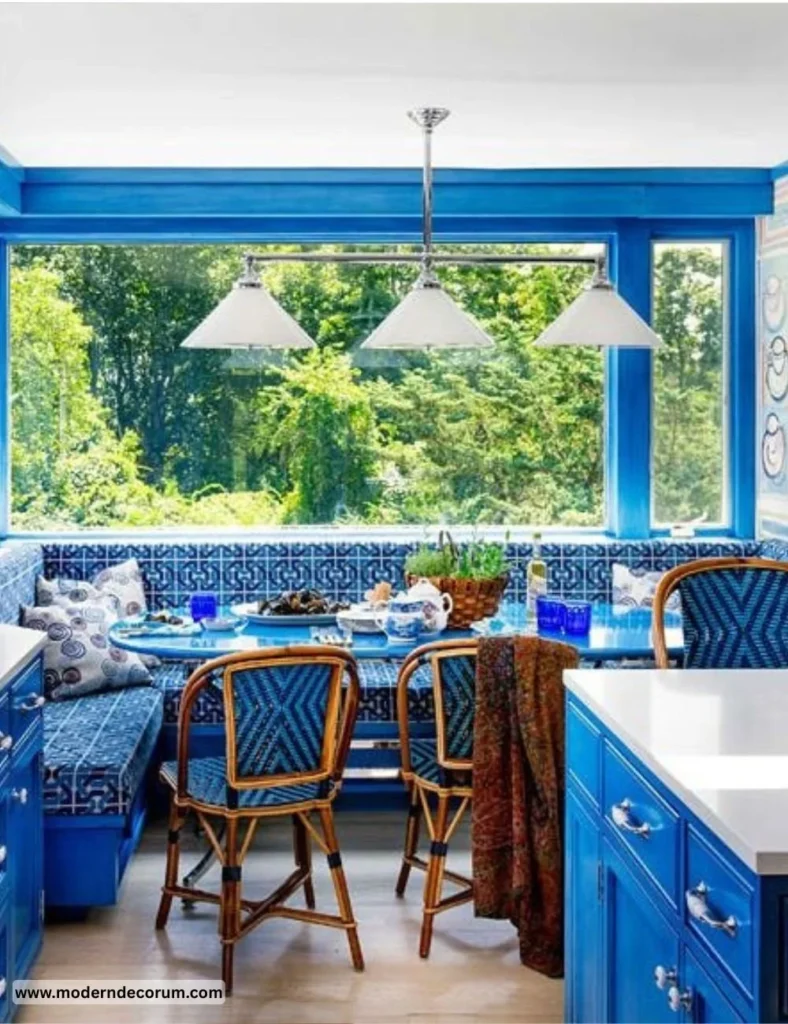
An accent wall not only injects color and personality into a room but also serves as a focal point that can dramatically influence the mood of your environment. With current trends favoring bold colors, textures, and unique finishes, selecting the right paint type can uplift your home while reflecting your personal lifestyle. Whether you aim to create a cozy reading nook or invigorate a dull dining area, the right paint type transforms your accent wall into a sanctuary of style that inspires and delights.
What You’ll Need
Creating a stunning accent wall requires thoughtful selection of materials and design elements. Here’s a handy list to help you get started:
1. Paint or Wallpaper
- Purpose: Sets the foundation for your accent wall, defining its character.
- Options: Choose from a bold or muted paint color or textured wallpaper.
- Budget Tip: For a budget-friendly alternative, consider peel-and-stick wallpaper or test a DIY stencil technique.
- Sourcing: Retail home decor stores, online marketplaces, and thrift shops often offer a plethora of choices.
2. Wall Décor
- Purpose: Personalizes your space and enhances the visual appeal of the accent wall.
- Options: Artwork, mirrors, or decorative shelves.
- Budget Tip: Look for local artists or shop at flea markets for unique finds.
- Sourcing: Online platforms like Etsy or local galleries are excellent sources for custom pieces.
3. Lighting
- Purpose: Highlights the accent wall and adds warmth to the overall ambiance.
- Options: Wall sconces, floor lamps, or stylish pendant lights.
- Budget Tip: Upcycle an old lamp or use string lights for a playful touch.
- Sourcing: Big-box retailers, vintage stores, or even DIY solutions.
4. Accent Furniture
- Purpose: Complements the accent wall and invites interaction.
- Options: A stylish chair, sofa, or side table that ties in with your color scheme.
- Budget Tip: Thrift stores often have hidden gems that can be refurbished.
- Sourcing: Check out local furniture consignment shops or online marketplaces.
Decorating Steps
Step 1: Choose Your Color Palette
Action: Select a color or pattern that resonates with your personality and existing decor.
Rationale: The color will set the tone for the entire room and influence your mood.
Pro Tips: Use color swatches to test how different hues interact with your lighting throughout the day.
Step 2: Prepare the Wall
Action: Clean and prime the wall for optimal adhesion of paint or wallpaper.
Rationale: A well-prepared surface ensures a smooth finish and prolongs the life of your decor.
Pro Tips: Use painter’s tape to protect edges and achieve clean lines.
Step 3: Apply Paint or Wallpaper
Action: Follow manufacturer instructions for application. Work from the top down if painting.
Rationale: Proper application is crucial to achieving a professional-looking result.
Pro Tips: Work in sections, and take your time to avoid drips or uneven application.
Step 4: Add Lighting
Action: Position lights strategically to highlight the accent wall.
Rationale: Proper lighting can transform the look and feel of your accent wall.
Pro Tips: Consider dimmable options to adjust light levels based on the mood.
Step 5: Incorporate Wall Decor
Action: Hang artwork or mirrors at eye level to create a balanced look.
Rationale: Well-placed decor draws the eye and enriches the visual dynamics of the room.
Pro Tips: Experiment with different arrangements on the floor before committing to wall placement.
Step 6: Style with Accents
Action: Add furniture and other decor that complements the wall.
Rationale: The right accents can harmonize the space and make it feel cohesive.
Pro Tips: Layer various textures and materials to create depth.
Design Tips & Variations
Enhance with Minimalist Accents
- Use monochromatic elements to create a streamlined look.
- Incorporate metallics for a touch of glamour.
Seasonal Shifts
- Swap out decor seasonally; use lighter colors in summer and richer tones in winter.
- Incorporate seasonal plants or seasonal art to keep the look fresh.
Personal Touches
- Curate a gallery wall featuring family photos or mementos.
- Use multifunctional furniture to maximize space and utility without compromising style.
FAQ / Common Challenges
How do I adapt this for a small room?
- Use lighter colors to create the illusion of space, choose a subtle pattern, and forego heavy decor.
Can I create an accent wall in a rental?
- Yes! Use removable wallpaper or wall decals to create an accent wall without damaging the existing surface.
What if I don’t want a solid color?
- Consider textured wall treatments like wood paneling or brick for added dimension.
Conclusion & Call to Action
An accent wall is more than just a decorative strategy; it’s an invitation to express your style and improve the functionality of your spaces. By carefully selecting design elements and following these simple steps, you can create a focal point that enhances the overall ambiance of your home.
Now that you have the tools and ideas to transform your space, why not dive in? Try out this decor concept, adapt it to your unique taste, and don’t forget to share your results with friends! Which wall will you transform first?