Table of Contents
Why This Décor Idea Matters
PATINA IMPERFECTIONS—in a world of sleek finishes and flawless perfection, there’s something irresistibly charming about embracing the character that comes with age in home décor. The scuffs on an old leather armchair, the faded grain of a farmhouse table, or the tarnish on a brass candlestick—these signs of history tell stories that new, mass-produced pieces simply cannot.
Designers and homeowners are increasingly drawn to character-rich living spaces, recognizing that imperfections add depth, authenticity, and a sense of lived-in warmth. Patina not only celebrates the passage of time but also creates comfort, grounding us in environments that feel genuine rather than staged.
This approach aligns perfectly with current design trends like wabi-sabi, vintage revival, and sustainable decorating. By choosing items that reveal their history, you’re curating a home that feels soulful, eco-friendly, and uniquely personal.
What You’ll Need
Embracing patina and imperfections doesn’t require a huge budget—just an open mind and an eye for beauty in the unexpected. Consider incorporating:
- Antique & Vintage Furniture
- Think weathered wooden tables, worn leather chairs, or vintage cabinets with faded paint.
- Natural Materials
- Stone, brass, copper, and leather age gracefully, developing rich textures over time.
- Handmade Décor
- Pottery with uneven glazes, handwoven textiles, or artisanal ceramics celebrate imperfection.
- Restored & Repurposed Pieces
- Furniture from flea markets, salvage yards, or even family heirlooms brought back to life.
Budget-friendly tip: Local thrift shops, flea markets, and estate sales are treasure troves for timeworn gems. Online marketplaces like Etsy or eBay also offer one-of-a-kind vintage finds.
Decorating Steps
1. Start Small with Accents
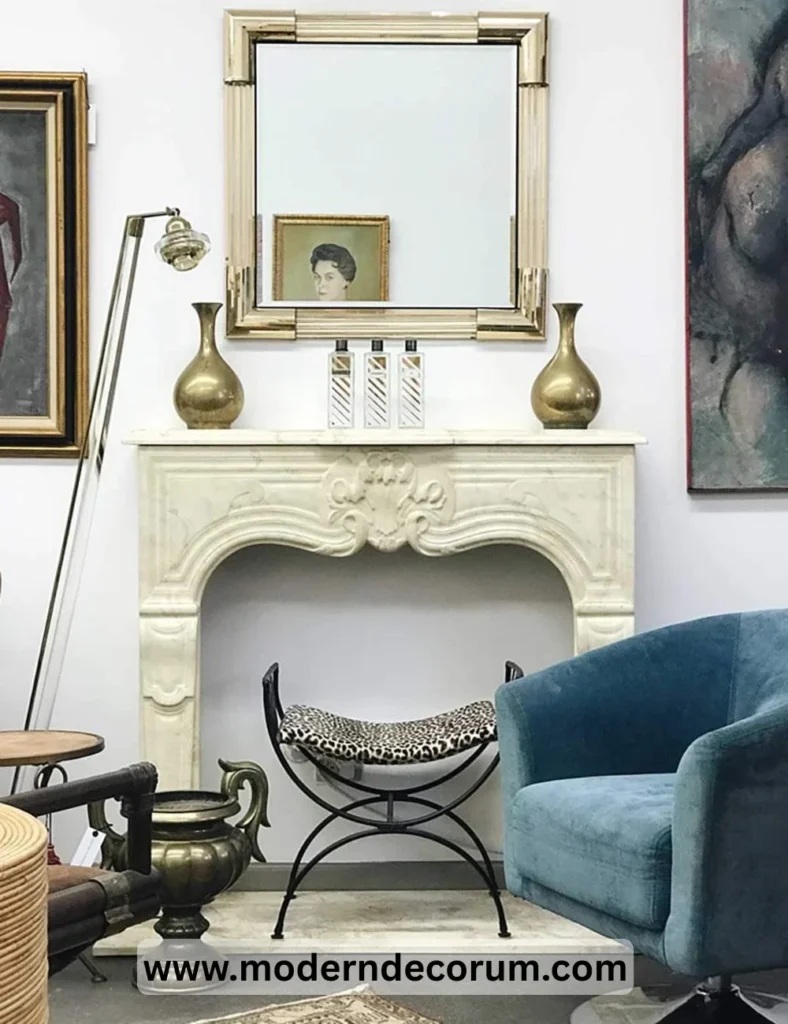
Introduce patina through accessories like aged brass trays, antique mirrors, or ceramic vases with chipped glazing. These instantly add charm without overwhelming the room.
2. Highlight a Statement Piece
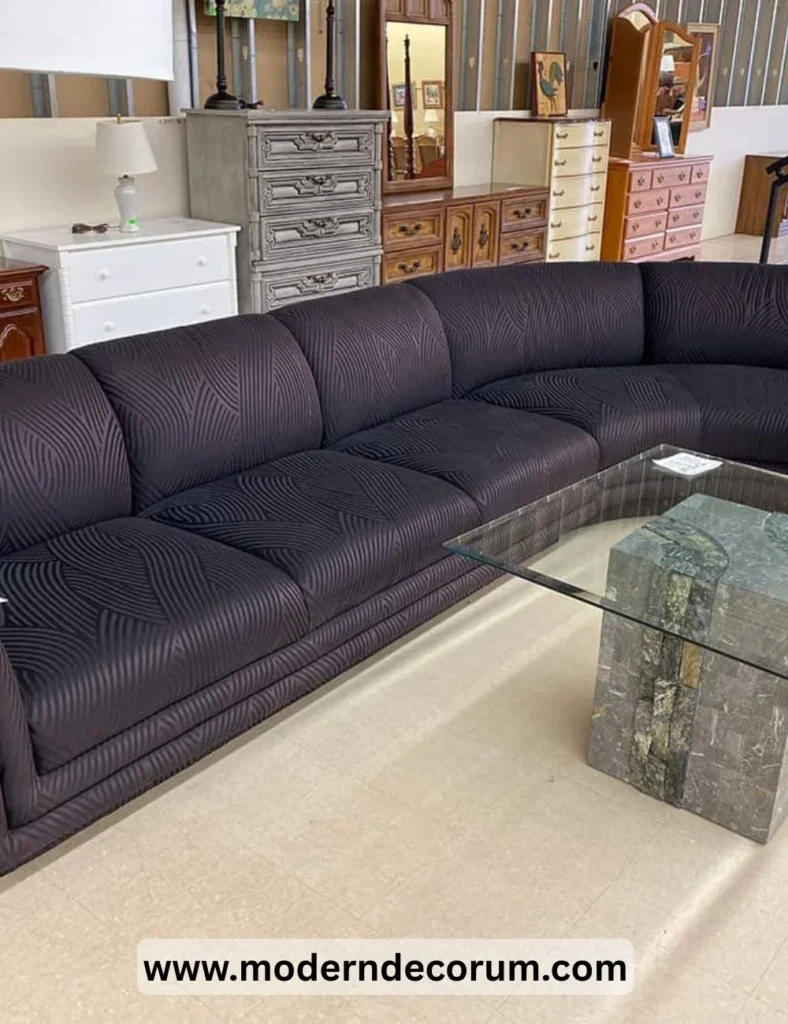
Choose one standout item—perhaps a vintage dining table or distressed leather sofa—as the anchor of your décor. Its imperfections will make it a natural conversation starter.
3. Mix Old with New
Pair worn antiques with sleek, modern furniture. For example, a rustic farmhouse bench looks stunning alongside contemporary dining chairs.
4. Layer Textures
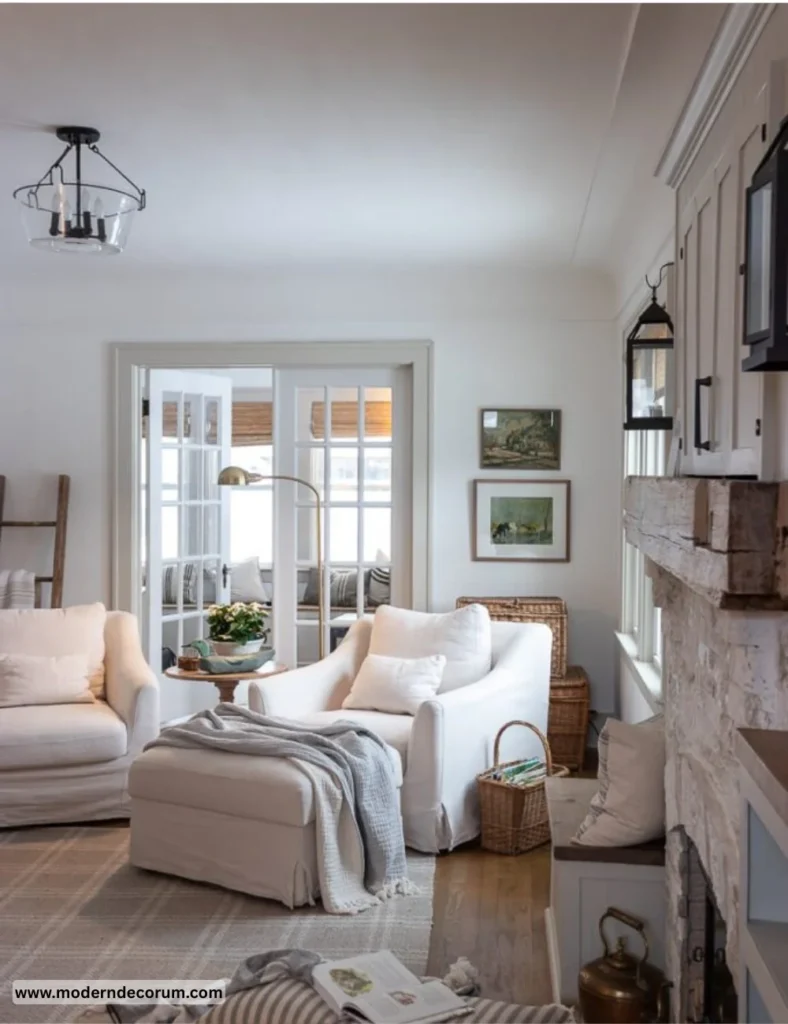
Add warmth with textiles—linen cushions, wool throws, or vintage rugs with fading and wear. The mix of textures enhances the lived-in feel.
5. Let Materials Age Naturally
Instead of polishing away tarnish or refinishing surfaces, allow metals to darken and wood to weather. Embrace the story in every scratch and blemish.
Design Tips & Variations
- Color Palette: Warm neutrals (beige, taupe, rust, olive) complement aged surfaces beautifully.
- Styling Approach: Use negative space—don’t overcrowd. Let each imperfect piece stand out.
- Seasonal Updates:
- Summer: Balance heavy antique furniture with light linen or airy cotton textiles.
- Winter: Lean into coziness with velvet cushions, chunky knits, and warm lighting.
- Personal Touches: Incorporate family heirlooms or flea-market finds that reflect your personal story.
FAQ / Common Challenges
Q: How do I keep a space with aged pieces from looking shabby instead of chic?
A: Balance is key. Pair weathered pieces with polished, modern elements for contrast.
Q: Can patina work in small spaces?
A: Absolutely. Even a single aged accessory—like a rustic mirror or vintage lamp—adds instant depth without overwhelming.
Q: Do I need to restore old furniture before using it?
A: Not always. Sometimes minimal care (like cleaning or light oiling) is enough. Full restoration is optional if you prefer preserving the natural wear.
Conclusion & Call to Action
Embracing patina and imperfections isn’t about settling for “worn out.” It’s about celebrating character, history, and authenticity. By weaving aged textures, weathered finishes, and unique imperfections into your décor, you create a home that feels soulful, warm, and unmistakably yours.
So next time you spot a table with scratches or a vase with uneven glaze, see it not as flawed—but as a treasure.
Which imperfect piece will you showcase in your home first—a vintage table, a timeworn rug, or a tarnished brass accent?