Plant-Filled Living Room: Retro Cozy Vibes
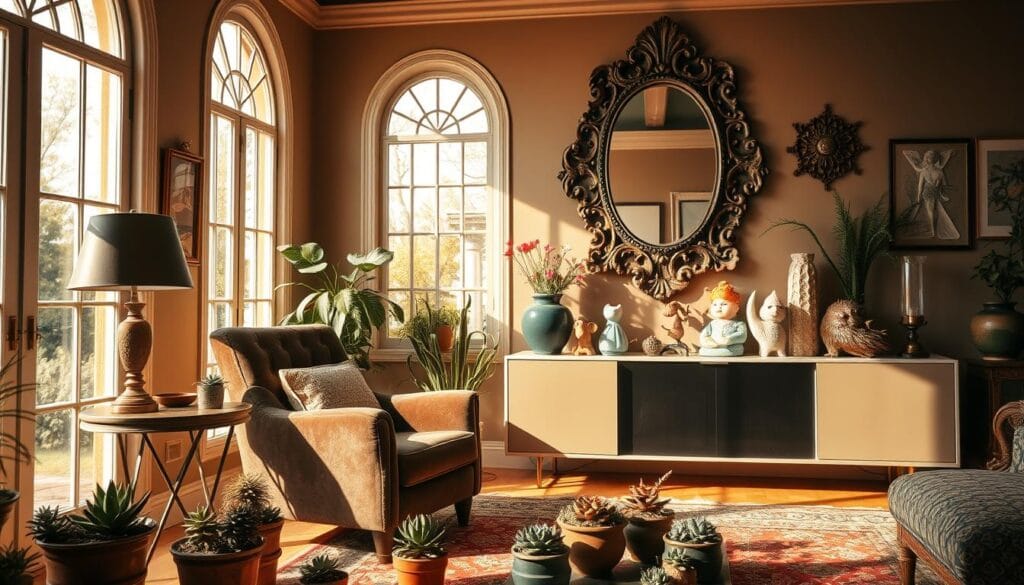
Imagine stepping into a living room that feels like a warm hug from the past—carpets with soft geometric patterns underfoot, a low-slung sofa wrapped in toasted caramel fabric, and sunlight pooling across potted ferns and glossy rubber plants. The air smells faintly of lemon oil and old books, while the textures—wool, rattan, brushed brass, and terracotta—invite touch. This is a plant-filled living room with retro cozy vibes: a space where mid-century silhouettes meet botanical abundance, and comfort is the design objective as much as style.
This look matters because homes should reflect how we live, not just what looks good on a magazine cover. A plant-forward retro living room is tactile and personal; it’s a place for curled-up evenings with a blanket and record player, for hosting a small group who linger over coffee, and for carving out calm on hectic days. Whether you crave a nostalgic mood, want to soften modern lines with organic life, or need a renter-friendly refresh, this hybrid of green and vintage brings warmth, personality, and a relaxed rhythm to daily life.
It’s also incredibly versatile. Plant-filled retro styling is perfect as a seasonal refresh when autumn arrives and you want the room to feel snug; it can be a renter-friendly weekend makeover with thrifted finds and potted plants; or the finishing touch before friends arrive for a holiday gathering. For a quick inspiration boost, pair this theme with the candlelit, contemporary touches found in other cozy living room guides like this cozy living room contemporary candlelit vibes post to see how layering light and texture elevates the mood.
Decor Details
Plant-Filled Living Room: Retro Cozy Vibes is a mixed decor approach that uses plants as a primary design element alongside retro furniture, textured textiles, and vintage accents.
- Item types: furniture (low sofas, wooden coffee tables), textiles (woven throws, shag or low-pile rugs), lighting (arc floor lamps, brass table lamps), wall art (vintage prints, woven hangings), and an abundance of houseplants (floor plants, hanging plants, tabletop greens).
- Main style: a blend of mid-century modern and cozy vintage with bohemian warmth—think relaxed retro rather than formal period rooms.
- Typical colors, materials, and textures: warm earth tones (mustard, olive, rust, caramel), teak and walnut wood, rattan and cane, brushed brass, soft wool, boucle, terracotta, and matte ceramics.
- Best rooms or zones: living room (main), cozy reading corners, window nooks, entryways, and open-plan lounge/dining combos.
- DIY vs. buying: a mix—many elements are easy to source ready-made (sofas, lamps), while planters, macramé hangers, thrifted frames, and plant stands are great DIY opportunities.
Design Impact
A room that leans into plants and retro pieces transforms both visually and emotionally. Visually, plants soften hard lines and add verticality and depth. A tall fiddle-leaf fig by a sofa creates a natural focal point, while trailing pothos on a mid-century credenza draws the eye horizontally, creating layers that feel curated rather than cluttered. The combination of warm woods and verdant greens produces an inviting palette that reads as timeless yet lively.
Emotionally, this style cultivates calm and contentment. The tactile mix—knubby knit cushions, warm wood grain, and cool ceramic—invites touch and slows you down. Picture settling in for a rainy afternoon: soft light from a brass floor lamp, a steaming mug in hand, the faint rustle of leaves as a breeze passes through. For practical daily life, plants improve perceived air quality and add a living variable that changes with the seasons, encouraging routines like watering and pruning that can be surprisingly soothing.
In concrete scenarios, a plant-filled retro living room is ideal for cozy movie nights (layer plush throws and set dim, amber lighting), productive work-from-home days (use a plant-draped side table to soften a small desk area), and small gatherings (group seating around a low coffee table with layered rugs to anchor the conversation zone).
Why Choose It
This decor choice works for people who want maximum personality with minimal fuss. It’s particularly smart for renters and small-space dwellers who want warmth without permanent renovations—plants and furniture can be moved or replaced easily. Families appreciate how the look hides wear: patterned textiles and textured surfaces are forgiving, and strategic plant placement can create zones that feel intentional even when life is busy.
Key strengths include affordability and flexibility. Vintage finds from thrift stores pair beautifully with modest new pieces; a statement plant and a rug can refresh a whole room without breaking the bank. The aesthetic is small-space friendly—use vertical plantings and wall-mounted shelves to add greenery without sacrificing floor area. It’s also timeless: mid-century forms and natural materials rarely go out of style, and swapping cushion covers or plant pots is an instant seasonal update.
A real-life example: an awkward dark corner in a living room. Instead of bemoaning the wasted space, place a slim tripod plant stand with a tall snake plant, add a small rattan side table, and suspend a pendant with a warm bulb—instant reading nook and visual balance for that side of the sofa.
How to Style Plant-Filled Living Room: Retro Cozy Vibes
{ingredients}
- Main items:
- Low-profile sofa in a warm tone (caramel, olive, or rust)
- Wooden coffee table (teak or walnut)
- Area rug with geometric or low-pile texture
- Floor lamp with a brass or matte finish
- Variety of pots and planters (terracotta, glazed ceramic, woven baskets)
- Assorted houseplants (fiddle-leaf fig, snake plant, pothos, ZZ plant, ferns)
- Optional upgrades:
- Macramé hangers, hanging planters, brass trays, vintage record player, woven wall hanging
- Accent armchair in boucle or velvet, stacking side tables, brass candleholders
- Budget-friendly alternatives:
- Thrifted mid-century chairs, painted thrift-store side tables, IKEA-style plant stands, propagation jars for cuttings instead of buying large plants
{directions}
- Start with the foundation: choose a warm-toned sofa and a wooden coffee table. These anchor pieces set the retro palette—opt for simple, low silhouettes for that mid-century feel.
- Tip: If your sofa is neutral, introduce color through a textured rug and cushions.
- Layer rugs: place an appropriately sized rug under the front legs of the sofa and chairs to ground the seating area.
- Avoid: a rug that’s too small; it breaks visual flow. If space is tight, use runner rugs to create pathways.
- Build vertical interest with tall plants: place one or two larger floor plants near windows or in corners to add height and soften walls.
- Tip: Use a tall plant to hide an awkward floor vent or to visually balance a fireplace.
- Add trailing plants at eye level: use shelves, credenzas, or wall hooks for pothos or string-of-pearls to cascade down.
- Avoid: overcrowding a single shelf. Leave breathing room so plants can drape naturally.
- Mix materials and textures: balance wood with brass, woven rattan, and ceramic pots. Use at least three different textures to keep the eye engaged.
- Tip: Repeat a material (e.g., brass) in two places—lamp and small bowl—for cohesion.
- Layer lighting: combine ambient overhead light, a warm-hued floor lamp by the sofa, and a small table lamp on a side table to create zones.
- Tip: Choose bulbs around 2700K–3000K for that cozy, vintage glow.
- Group accessories into vignettes: cluster three to five objects of varying heights—books, a ceramic planter, a small sculpture—on the coffee table or console.
- Rule of thumb: odd numbers read as curated.
- Introduce vintage finds: a thrifted art print or an old woven basket can be a focal talking piece.
- Tip: Reframe vintage art in simple frames to modernize it while keeping retro charm.
- Soften seating with textiles: add a chunky knit throw, a boucle cushion, and a patterned lumbar pillow.
- Avoid: matching everything exactly. Contrast in texture adds warmth.
- Finish with functional plant care items out of sight: keep a watering can and pruning shears in a decorative basket near the entry to the plant zone.
Showcasing Ideas
Use plant clusters to define different zones. In the entryway, a narrow console with a trailing plant and a vintage mirror welcomes guests with layered texture. In the living room, anchor your main seating with a large rug, a low coffee table, and paired armchairs; flank the sofa with tall plants to create a cozy micro-library. For a bedroom, place a bedside succulent and a hanging fern to create softness without taking too much space.
Pairings to try:
- Plants + brass floor lamp + wool throw for a warm reading corner.
- Rattan side table + terracotta pots + geometric rug for mid-century personality.
- Mirror above a credenza with a cluster of small potted plants to double light and greenery.
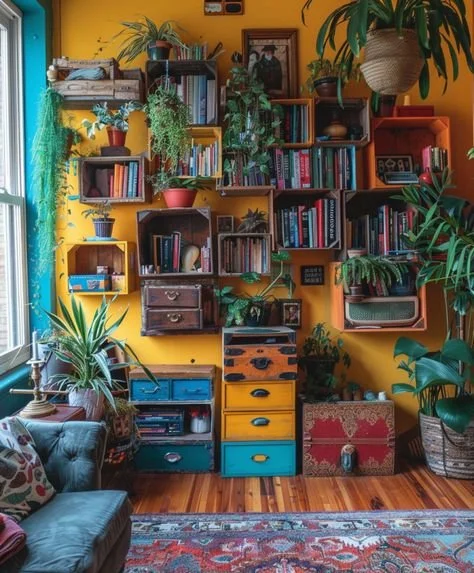
Small-space idea: vertical shelving with staggered planters keeps greenery overhead and opens floor space. Large, open-plan rooms: create multiple plant vignettes to unify zones—use a large central rug and repeat one or two plant varieties in different spots to maintain cohesion.
For more inspiration on pairing plant layers with sofa and lamp styling, check out this guide on cozy couch-and-plant arrangements: cozy living room vibes with couch, lamp, and plant.
How to Maintain
Most retro materials are forgiving, but regular care keeps the look fresh. Dust wood and brass monthly with a microfiber cloth; avoid harsh cleaners—mild soap and water works for ceramic and glazed pots. Vacuum rugs weekly or shake and air them out outside if possible. For textiles, check care labels—wool throws often need gentle washing or professional cleaning.
Plant care rhythm: spot-check plants weekly for water needs and rotate pots a quarter-turn each watering to encourage even growth. Prune yellowing leaves promptly, and repot every 1–2 years depending on growth. Store seasonal extras—like holiday textiles or extra cushions—in breathable cotton bags in a cool, dry place to avoid mildew and fading.
To keep the decor feeling new over time, rotate plants and accessories seasonally: swap heavier throws for lighter linens in summer, trade small accents (pillow covers, planter colors) to refresh without replacing major furniture.
Designer’s Advice
- Scale matters: pair one large statement plant with smaller groups—avoid filling the room with many medium-sized plants of the same height.
- Use warm light: 2700K–3000K bulbs help recreate the vintage glow and make wood tones richer.
- Repeat colors: pick two key colors (e.g., mustard and olive) and weave them through pillows, art, and a plant pot to create harmony.
- Mix finishes sparingly: stick to two metal finishes (brass + matte black) to avoid visual clutter.
- Add movement: trailing plants draw the eye across a room and introduce a playful, relaxed vibe.
- Allow negative space: plants should enhance, not overwhelm. Keep at least 1–2 breathing zones without decor.
- Embrace imperfection: slightly worn wood and patina on metal add authenticity to the retro look.
Creative Variations
- Minimalist Retro Green: Pair a muted sofa with two sculptural plants (fiddle leaf fig and snake plant), monochrome pots, and a single vintage wall piece. Less is more—focus on form and negative space.
- Colorful Cozy Retro: Use a saturated rust sofa, mustard cushions, patterned rug, and a variety of blooming houseplants. Great for entertaining—the room feels cheerful and social.
- Budget Thrifted Edit: Hunt for a secondhand mid-century coffee table, paint an inexpensive lamp base in matte brass, and use propagation jars and small thrifted pots for affordable greenery. This version proves personality beats price.
Frequently Asked Questions
Q: How do I match plant-filled retro decor with existing furniture?
A: Pick one or two materials from your existing pieces (wood tone, metal finish) and echo them in planters, frames, or lamps. Use a rug or cushion to bridge color gaps.
Q: Is this idea renter-friendly?
A: Yes—most elements are temporary: plants, rugs, lighting (plug-in), and thrifted furniture. Avoid permanent fixtures like wall-mounted shelving unless allowed.
Q: How do I adapt this to a small apartment?
A: Go vertical: hanging planters, tall slim plants, and wall-mounted art keep the floor clear. Use multifunctional furniture (storage ottomans) to maximize space.
Q: Where can I find quality pieces without overspending?
A: Look for local thrift shops, salvage stores, estate sales, and small local plant nurseries; combining one investment piece with thrift finds gives a curated, high-low feel.
Q: What’s the best way to clean planters and ceramics?
A: Wipe external pots with a damp cloth; for mineral deposits from water, mix equal parts water and white vinegar, test on a small area, and rinse thoroughly.
Conclusion
Ready to bring retro cozy vibes and lush greenery into your living room? Start small with a statement plant, a vintage-inspired rug, and a warm lamp—then layer from there. If you’re in the mood for seasonal, cottage-style inspiration to pair with your cozy setup, you might enjoy this guide to creating a vintage cottage Christmas living room for holiday layering How to Create a Vintage Cottage Christmas Living Room. For atmosphere tips that translate to coffee-table conversation and relaxed hosting, check out this piece on cultivating cozy coffee shop vibes at home Discover the Best Cozy Coffee Shop Vibes.
Try this idea in your own home, and don’t be shy—share photos, ask questions, or leave tips in the comments below. Explore more styling ideas and join our community at Moderndecorum.com for weekly inspiration and how-tos.