
+12 Lovely Sage Green Bedroom Ideas for 2026
Introduction
Imagine a bedroom wrapped in the soft hush of sage green: walls that read like a watercolor wash, velvet cushions that invite quiet, and a woven throw that catches the light in the late afternoon. Sage green is the color of calm afternoons and kitchen herbs, but in a bedroom it becomes something more—a backdrop that balances freshness with warmth, modern restraint with lived‑in comfort. The look is tactile: matte paint, linen sheets, brushed brass hardware, and natural wood grain that feels as comforting as a familiar book.
Why does this matter for real homes? Because the bedroom is the daily refuge—a place to recharge, to dream, and to host an overnight guest without fuss. Sage green invites relaxation while still feeling intentional and stylish. It reads as personality: serene but curated, practical but inviting. Whether you love hosting, need a restful workspace by morning light, or simply want a room that makes unwinding effortless, sage green delivers.
This palette is perfect for seasonal refreshes, creating cozy corners for reading in cooler months, and modern updates that don’t overwhelm a renter’s deposit. With layered textiles and a few renter‑friendly switches—peel‑and‑stick wallpaper, temporary curtains, or a freestanding headboard—you can craft a hotel‑caliber sanctuary on a budget. If you’re gathering for holidays, a sage backdrop makes seasonal accents (rusty terracotta, cranberry, or warm gold) sing without stealing the show. For more fresh ideas in this hue, explore our earlier take on lovely sage green bedroom ideas for 2025.
Style Snapshot
Sage green bedroom decor is a blend of textiles, paint, furniture, and soft accents. It’s less about a single item and more about a cohesive palette and tactile layering—wall color, bedding, window treatments, rugs, and accent furniture working together.
- Item types: Paint, bedding, textiles, lighting, headboards, area rugs, wall art, and accent furniture.
- Main style: Modern‑Scandinavian with warm, organic touches—can lean boho, minimalist, or rustic depending on materials.
- Typical colors/materials/textures: Sage green, warm wood tones, cream, terracotta, brass accents, linen, velvet, woven rattan, matte ceramics.
- Best rooms/zones: Bedrooms (primary), guest rooms, cozy reading nooks, and small studio apartments.
- DIY vs. store‑bought: Mix—easy DIY projects (painting walls, sewing cushion covers, crafting macramé) combined with ready‑made items (bedding sets, lamps, rugs).
Wellness & Mood
Sage green changes a room’s visual weight and atmosphere. Light or muted sage can make a small bedroom feel larger and airier by reflecting soft light, while deeper sage creates a cocooning effect that’s perfect for restful evenings. The color’s green undertones bring a sense of the outdoors in, which studies show can lower stress and promote relaxation—especially when paired with natural textures like linen and wood.
Emotionally, this palette promotes calm and comfort. Picture dimmed bedside lamps, a plush rug underfoot, and the faint sigh of linen as you settle into bed—sage constructs a consistent, soothing narrative. Practically, sage is forgiving: it hides dust better than crisp white, harmonizes with varied accent colors, and works with layered lighting to create zones—reading, dressing, and sleeping—inside one compact room. For instance, a work‑from‑home evening ends with the same green walls signaling “downtime,” helping you transition mentally from productivity to rest.
Why Choose It
Sage green bedrooms are ideal for renters, busy professionals, families, and anyone who wants warmth without maximalism. Renters appreciate transferable touches: freestanding headboards painted in sage, removable wallpaper, and accessory swaps that don’t leave permanent marks. Families love its ability to hide wear while still looking composed; children’s scuffs look intentional in a lived‑in aesthetic.
Key strengths include affordability, flexibility, and timelessness. A sage wall anchors seasonal updates—switch to crisp white and navy for summer, and bring in deep rust and gold for winter holidays. For small apartments, sage expands a cramped room when used in lighter tones; for larger homes, a rich sage on an accent wall adds depth. A real‑life example: a dark, awkward corner by the window becomes a cozy reading nook when painted sage, furnished with a low armchair, a textured throw, and a slim brass floor lamp—problem solved without expensive construction.
Home Styling Guide
Ingredients
- Main items:
- Sage green paint (sample pots in light, medium, and deep shades)
- Neutral linen duvet and pillow shams (cream or warm white)
- Velvet or linen accent pillows in complementary tones (terracotta, dusty rose, muted mustard)
- Area rug (jute, wool, or low‑pile pattern)
- Headboard (upholstered in cream or painted wood in sage)
- Bedside lamps with warm bulbs (2000–2700K)
- Natural wood nightstands or painted alternatives
- Optional extras:
- Rattan or wicker chair
- Brushed brass or matte black hardware
- Potted indoor plants (snake plant, pothos, or small ficus)
- Sheer curtains in warm white or linen
- Gallery wall prints with botanical or abstract motifs
- Budget alternatives:
- Peel‑and‑stick wallpaper with a subtle sage print
- Thrifted wooden furniture refreshed with a clear sealer or new knobs
- IKEA‑style textiles for affordable linen look
- DIY macramé wall hanging or painted picture frames
Directions
- Test paint samples on three walls: choose light sage for small rooms, medium for balanced rooms, deep for large or very bright spaces. Observe samples at morning and evening light before committing.
- Start with the bed as the focal point: choose a neutral linen base and layer two to three sage or complementary pillows for depth. A velvet lumbar pillow in a darker green adds tactile contrast.
- Anchor the floor with a natural rug under the bed—extend it at least 18 inches from one side to the other for scale. In small rooms, a runner beside the bed can create the same effect.
- Position bedside lighting to create reading and ambient zones: place lamps at eye level while seated and use warm bulbs. Add a wall sconce if you need to free up nightstand space.
- Add a secondary texture (rattan chair or a knit pouf) near a window or corner to invite sitting and soften straight lines. Place a slim console or floating shelf if you need extra surface area without blocking flow.
- Create a gallery wall or single oversized art above the bed with at least 6–10 inches of negative space between the headboard and frame for balance. Choose frames in black, wood, or brass to coordinate with other metals.
- Layer textiles: a throw at the foot of the bed, a folded blanket on a bench, and a couple of contrasting cushions create a curated yet cozy bed.
- Introduce plants to add living texture and freshness. Place taller plants in corners and small plants on nightstands or floating shelves.
- Finish with small accents—ceramic trays, a stack of design books, or a candle in a warm scent like cedar or bergamot to round out the senses.
- Reassess scale and balance: step back, check symmetry, adjust lighting, and move small items for better sightlines and traffic flow.
Here are 12 lovely sage green bedroom ideas to mix and match:
- Full‑room sage paint with cream trim.
- One sage accent wall behind an upholstered headboard.
- Linen bedding with sage throw pillows.
- Velvet sage headboard against white walls.
- Rattan chair and a woven rug for boho texture.
- Sage and terracotta color pairing for warmth.
- Peel‑and‑stick botanical wallpaper on a single wall.
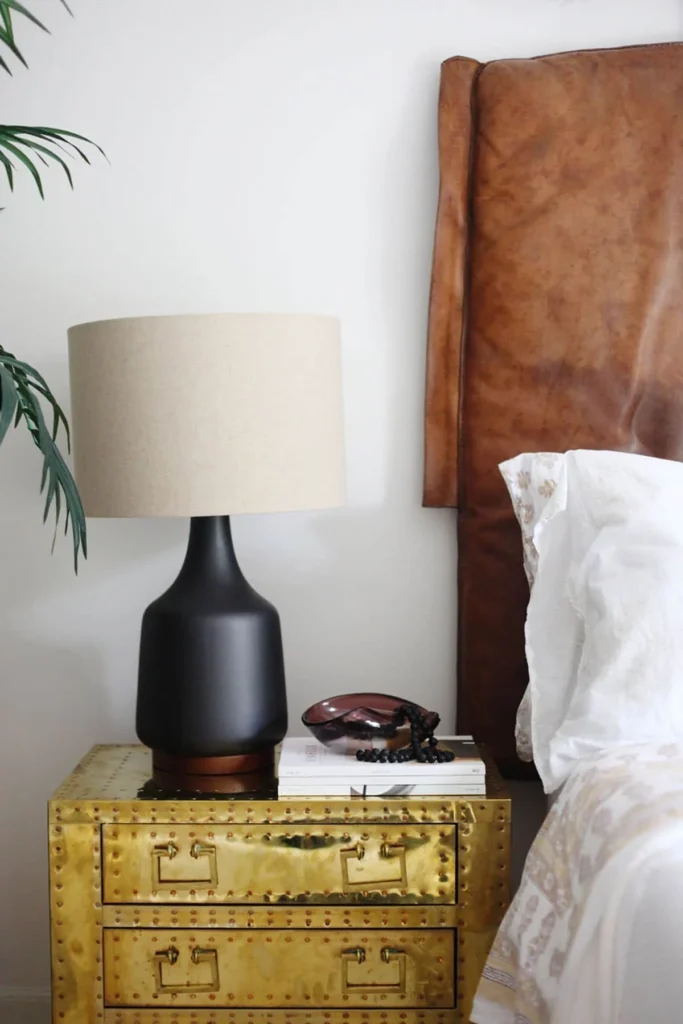
- Brushed brass bedside lamps for subtle glam.
- Built‑in shelves painted sage for a seamless look.
- Two‑tone walls: sage lower half, white upper half.
- Sage ceiling (for a cozy, enveloping feel).
- Gallery wall with muted green artwork and frames.
Room Setting Inspiration
Sage translates beautifully across rooms. In a compact studio bedroom, paint one wall sage and echo the color in pillows and a small rug—this connects the bed to the living area without overwhelming. In a larger master, use deeper sage on all four walls and bring in layered lighting: pendant, table lamps, and wall sconces to break up the expanse and create pockets of atmosphere.
Pairings elevate the sage palette:
- Plants and ceramic pots for organic charm.
- Wool rugs and textured throws for tactile contrast.
- Mirrors to reflect light and make sage feel airier.
- Warm metals (brass, copper) to add luminosity, or matte black for modern contrast.
Small space idea: hang a long mirror opposite the window to bounce light across a sage accent wall and make the room feel larger. Large space idea: designate a sitting area by painting an alcove sage and placing a pair of lounge chairs with a small side table for conversation.
Care Instructions
Sage materials need simple, routine care to stay fresh. For painted walls, dust monthly with a microfiber cloth and spot‑clean scuffs with a damp sponge and mild soap. For linen and velvet textiles, follow care labels—linen often benefits from gentle machine washing and air drying, while velvet may need professional cleaning or careful steaming to refresh nap.
Dust or vacuum rugs weekly in high‑traffic rooms and rotate area rugs seasonally to even out wear. Store off‑season throws and pillows in breathable bags in a cool, dry place away from direct sunlight to prevent fading. For wood furniture, dust regularly and treat occasionally with a natural oil or conditioner to maintain grain and avoid drying.
Designer’s Advice
- Balance scale: let large furniture pieces be neutral and use sage accents to draw the eye—avoid competing large patterns.
- Layer lighting: combine ambient, task, and accent light for a flexible mood that supports sleep and activities.
- Mix textures: pair soft linen with a chunky knit and woven rattan to keep sage from feeling flat.
- Use warm bulbs (2000–2700K) for a cozy glow; reserve cool bulbs for work nooks only.
- Anchor art at eye level—center pieces about 57–60 inches from the floor for comfortable viewing.
- Keep metals cohesive: limit to one or two metal finishes to avoid visual clutter.
- Edit regularly: rotate one or two accessories each season to keep the room feeling renewed.
Style Twists
Minimalist: Light sage walls, crisp white bedding, and a single wooden stool. Keep accessories to a minimum and opt for slim, low‑profile furniture.
Cozy & Layered: Deeper sage walls, plush velvet headboard, layered rugs, and abundant cushions in rust and blush. Add heavy drapes for warmth and sound‑dampening.
Budget/Thrifted: Use peel‑and‑stick wallpaper for an accent, refresh thrifted nightstands with new knobs, and shop secondhand rugs. Small DIYs—sew pillow covers from thrifted linen—can mimic high‑end textures affordably.
Frequently Asked Questions
Q: How do I match sage green with existing wood furniture?
A: Warm woods (oak, walnut) pair beautifully with sage; match undertones—if your wood is warm, choose a sage with warm undertones. Place wood in contrast (lighter rug or white bedding) to avoid a muddy look.
Q: Can sage green work in a tiny bedroom?
A: Yes—choose a lighter sage and keep ceilings and trim light to avoid closing in the room. Use mirrors and vertical storage to maintain openness.
Q: Is this renter‑friendly?
A: Absolutely. Focus on non‑permanent changes: textiles, peel‑and‑stick wallpaper, freestanding headboards, and movable plants.
Q: Where can I find quality items without breaking the bank?
A: Local home stores, online marketplaces, and thrift shops are excellent sources. Prioritize investment pieces (mattress, nightstands) and economize on décor accents.
Q: How should I store seasonal sage accessories?
A: Clean and dry textiles, fold into breathable storage bags, and keep in a cool, dark area to prevent fading and mildew.
Conclusion
Sage green is a quietly powerful choice for bedrooms in 2026—versatile, calming, and endlessly adaptable. Try one of the +12 ideas above as a starting point, and don’t hesitate to mix textures and metals to suit your lifestyle. Share your results, questions, and photos with our community; we love seeing how readers personalize these looks.
For inspiration that pairs seasonal color ideas with sage tones, see this curated guide to 12 Best Terracotta Wedding Color Theme Ideas 2026 – Daisy Sage, and for a touch of lived‑in denim and durable textures, check out the craftsmanship behind imogene + willie – premium blue jeans. Explore more styling inspiration and join the conversation at Moderndecorum.com.