+12 Lovely Sage Green Curtains Living Room Ideas For 2026
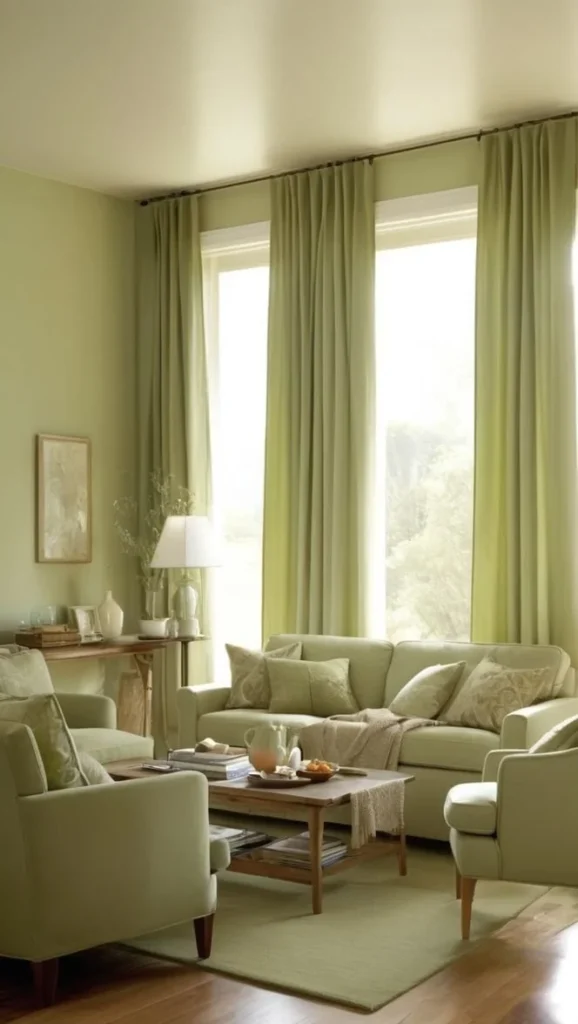
There’s a quiet kind of elegance that sage green brings to a living room — a soft, earthy whisper that feels like linen sheets at dawn or moss under bare feet. Picture curtains in a muted, smoky green that catch the late afternoon light and filter it into a warm, calming glow. The fabric moves with a gentle sway whenever someone passes, and the room seems to breathe a little easier: textures of wool throws, raw wood coffee tables, and a ceramic vase with eucalyptus all feel instantly more cohesive against that verdant backdrop.
Sage green curtains are more than a color choice; they’re a mood-maker. They temper bright sunlight without dimming the room entirely, provide a neutral-but-interesting foil for patterned sofas, and create a sense of rootedness that’s both modern and timeless. Whether you favor a minimalist Scandinavian aesthetic or a layered boho look, the softness of sage adapts — it reads as sophisticated when paired with brass accents, and cozy when set against jute rugs and textured cushions.
This idea matters because home design isn’t just about looks — it’s about living. The right curtains shape light, privacy, and acoustics: they cocoon a space for quiet evenings, reduce glare during remote work calls, and set a welcoming tone for guests. For a seasonal refresh, sage green is an effortless pivot between the cool tones of winter and the fresh greens of spring. It’s renter-friendly, budget-flexible, and ideal for anyone who wants a lasting update without a full renovation. For more curated inspiration about sage interiors, explore this round-up of ideas and palettes for the season: sage green living room ideas for 2026.
Style Snapshot
Sage green curtains are primarily a textiles decor piece — window treatments that anchor the room’s palette and atmosphere. They lean into modern and Scandinavian aesthetics but translate beautifully to boho, coastal, rustic, and transitional styles depending on fabric and trim choices.
Typical materials include linen, cotton-linen blends, lightweight velvet, and textured weaves that add depth. Colors range from pale silvery sage to deeper gray-green tones. Textures can be crisp (for a minimalist look), slubby linen (for organic warmth), or plush velvet (for a more dramatic, luxe feel). Best rooms: living rooms, dens, reading nooks, and open-plan lounges. DIY level: mostly store-bought for ready-made panels, but easy to customize with simple sewing or hemming for a tailored fit.
Why It Works
Sage green curtains do a lot of visual heavy lifting. They soften windows without absorbing too much light, so rooms feel luminous yet grounded. Because sage sits between neutral and color, it harmonizes with both warm woods and cool metals — creating balance without the need for exact matching. A well-hung sage panel can elongate a room by drawing the eye up, or make a tall window feel intentionally intimate when layered with sheers.
Emotionally, sage promotes calm and focus. It’s a restful hue that supports relaxation — perfect for winding down at the end of the day or creating a peaceful backdrop for guests. Practically, curtains add privacy, reduce noise, and can help regulate temperature when layered with thermal liners. Picture an evening: the curtains drawn, the light softened, a mug steaming on the coffee table and a podcast murmuring — that mood is what sage facilitates. For a collection of living room looks that lean into calming palettes and modern updates, this guide is a helpful companion: sage green & gray living room inspiration.
Why Choose It
Sage green curtains are a smart choice for a wide range of people. Renters can opt for tension rods and clip rings to avoid drilling, while homeowners can install full-length tracks for a more polished effect. Families will appreciate durable weaves and washable blends; design beginners benefit from sage’s forgiving nature — it hides wear and pairs easily with other colors. Small apartments gain depth and a sense of enclosure without feeling smaller; large spaces get a cohesive anchor that ties seating zones together.
Key strengths include affordability (many ready-made options in varied price points), flexibility (works with neutrals and brights), and timelessness — sage will read neither too trendy nor too dated. One common problem it solves: a bland sofa in a neutral room. Hang sage curtains behind the seating area to create a backdrop that elevates the sofa and reduces the “floating furniture” look, or use them to soften a hard, stark wall and create an instant cozy focal point.
How to Style +12 Lovely sage green curtains living room Ideas For 2026
Ingredients
- Pair of sage green curtain panels (linen, linen-blend, cotton, or velvet).
- Curtain rod or track (extendable metal rod, hidden ceiling track, or tension rod for renters).
- Curtain rings with clips or matching grommets/rod pockets.
- Blackout or thermal liners (optional for heat and sound control).
- Sheer white or ivory panels for layering (optional).
- Tools: measuring tape, step ladder, pencil, drill (if wall-mount), level, curtain hooks.
- Optional upgrades: brass finials, tassel tiebacks, curtain weights, fabric steam iron.
- Styling extras: textured rug, throw blankets, patterned cushions, potted plants, table lamp, woven baskets.
Directions
- Measure carefully: Hang curtains so the rod is 4–6 inches above the window frame (or near the ceiling for a grander look). For a modern, expansive feel, place the rod closer to the ceiling to create height visually. Tip: Add extra width (1.5x–2x the window width) so the curtains gather luxuriously when closed.
- Choose length: Floor-hugging (1/2″ clearance) looks tailored; puddled (4–8″ extra) reads romantic and luxe. For high-traffic living rooms, opt for barely kissing the floor to avoid dirt and tripping.
- Select fabric weight to suit light needs: Lightweight linen lets in gentle light and reads breezy; heavier linen blends or velvet darken the room more and add insulation. Avoid heavy fabrics in very small rooms unless you want a cocooned effect.
- Layer strategically: Add sheer panels behind sage curtains to diffuse harsh light during the day while preserving privacy. Sheers also soften the silhouette and provide a delicate contrast in texture.
- Coordinate colors: Match sage with warm neutrals (cream, taupe), deep contrasts (charcoal, navy), or warm metals (brass, aged gold). For a monochrome look, pair with different shades of green — olive cushions or fern prints add depth without clutter.
- Balance with texture: If curtains are smooth, bring in textured throws and woven rugs. If curtains are slubby linen, choose sleek furniture legs and glass or metal coffee tables to keep the room from feeling too rustic.
- Mounting tips: Use a longer rod that extends 6–12 inches beyond the window frame so when curtains are open they stack beside the window and don’t block glass. For wide windows, split panels in the center for symmetry and easy operation.
- Common mistakes: Hanging too low makes ceilings feel shorter — always raise the rod. Choosing panels that are the exact width of the window creates a flat look — aim for generous fullness. Forgetting tiebacks can make the room feel static; consider simple fabric tiebacks or leather straps for a styled finish.
- Final touches: Add curtain weights or sewn-in hemming tape for cleaner drape. Steam or iron curtains after hanging to remove creases for an effortlessly polished appearance.
Best Pairings
Sage green curtains shine when paired thoughtfully. In a sunlit living room, combine them with warm oak furniture, a sisal rug, and cream upholstery for a calming, earthy palette. For a modern twist, add matte black accents — a lamp with a black stem, a sculptural coffee table, and framed black-and-white prints to create contrast without harshness.
If you favor layered coziness, include textured throws, a velvet armchair in a complementary jewel tone (deep teal or muted mustard), and woven baskets for blankets and magazines. For small spaces, anchor the curtains behind a compact loveseat and keep furnishings low-profile to preserve sightlines. In larger, open-plan rooms, use sage curtains to define a seating zone: hang them from a ceiling track to create a semi-private lounge area that can be opened for entertaining or closed for intimate evenings.
Ideas to try:
- Entryway: Hang a single narrow sage panel to frame a foyer window, paired with a slim console and a botanical print.
- Living room: Full-length sage panels with linen sheers, layered over a neutral rug and a coffee table with natural wood tones.
- Home office: Use thermal-lined sage curtains to tame glare for computer work, paired with a mid-century desk and potted fiddle-leaf fig.
- Dining room: Velvet sage curtains create drama and intimacy for dinner parties when paired with a brass chandelier and dark-stained table.
Care Instructions
Caring for sage curtains depends on the fabric. Linen and cotton blends usually tolerate gentle machine washing on cold, but always check manufacturer care labels. Velvet often needs professional cleaning or spot cleaning with a soft brush and mild soap. Use a handheld fabric steamer to refresh curtains and remove wrinkles; steam periodically rather than ironing directly on delicate fibers.
Dust curtains weekly by running a vacuum with a soft brush attachment along the folds, or shake them outside for lightweight panels. Wash or dry-clean heavier panels seasonally — every 6–12 months depending on exposure to sunlight, pets, and cooking odors. For storage, fold curtains loosely and place in breathable cotton storage bags; avoid plastic bins that trap moisture. To prevent fading, rotate panels occasionally if one side faces the sun more than the other, and use UV-protective liners in very sunny rooms.
Pro Styling Tricks
- Hang high and wide: Mount curtain rods closer to the ceiling and extend beyond the window to make the room feel taller and the windows larger.
- Play with scale: Oversized patterns or large pleats on sage curtains work well in big rooms; small rooms benefit from solid or subtly textured panels.
- Warm up with metals: Brass and aged gold accessories complement sage’s soft warmth; use them in lamps, frames, and hardware.
- Layer light: Combine ambient overhead lighting with floor lamps and candles to enhance the curtain color at different times of day.
- Mix textures, not patterns: Pair patterned cushions with solid sage curtains, or vice versa, to avoid visual clutter.
- Practice symmetry: For a formal living room, two equal panels balance the space; for a casual den, asymmetrical stacks can feel more lived-in.
- Add scent: A linen spray in herbal or citrus notes elevates the sensory experience and ties the visual calm to a comforting aroma.
Style Twists
Minimalist: Choose a light sage linen with a clean rod pocket or hidden tab headers. Keep furniture streamlined — low-profile sofa, thin metal legs, and a monochrome palette with a single green accent cushion.
Cozy & Layered: Opt for heavier linen or washed velvet panels paired with patterned throws, a mix of tactile cushions, and a reclaimed wood coffee table. Add ambient lamps and woven accessories to amplify warmth.
Budget vs. Luxury:
- Luxury: Custom, floor-to-ceiling heavy linen with blackout liners and brass hardware, tailored hems, and professional installation.
- Mid-range: Quality ready-made linen-blend panels with matching tiebacks and a sturdy metal rod.
- Budget/Thrifted: Upcycle a tablecloth or duvet cover into panels, hang with clip rings, and layer with secondhand sheers for a high-style look at low cost.
Frequently Asked Questions
Q: How do I match sage curtains with existing furniture colors? A: Sage pairs beautifully with warm neutrals (beige, cream), deep tones (charcoal, navy), and natural woods. Use small accents (pillows, throws, art) to echo the curtain tone for cohesion. If your sofa is a bright color, introduce a neutral rug to mediate contrasts.
Q: Are sage curtains suitable for small apartments? A: Yes. Hang them high and wide to create the illusion of larger windows and higher ceilings. Choose lighter-weight fabrics to keep the room airy.
Q: Can renters install these curtains without drilling? A: Absolutely. Use tension rods or ceiling-mounted track systems that clamp without screws. Command hooks designed for curtain rods can also work for lightweight panels.
Q: Where can I find quality but affordable sage curtain options? A: Look at local home goods stores, textile markets, and secondhand shops for unique fabrics. Choosing a common, easy-care fabric like a linen blend will broaden budget-friendly options.
Q: How should I store spare panels seasonally? A: Clean them before storing in breathable fabric bags. Keep them in a cool, dry place away from direct sunlight and moisture. Avoid plastic bags that trap humidity.
Conclusion
Sage green curtains are an effortless way to update your living room for 2026: they balance light, texture, and mood while remaining flexible across styles and budgets. If you try any of these ideas, we’d love to see your before-and-after photos and hear what styling tips worked for you.
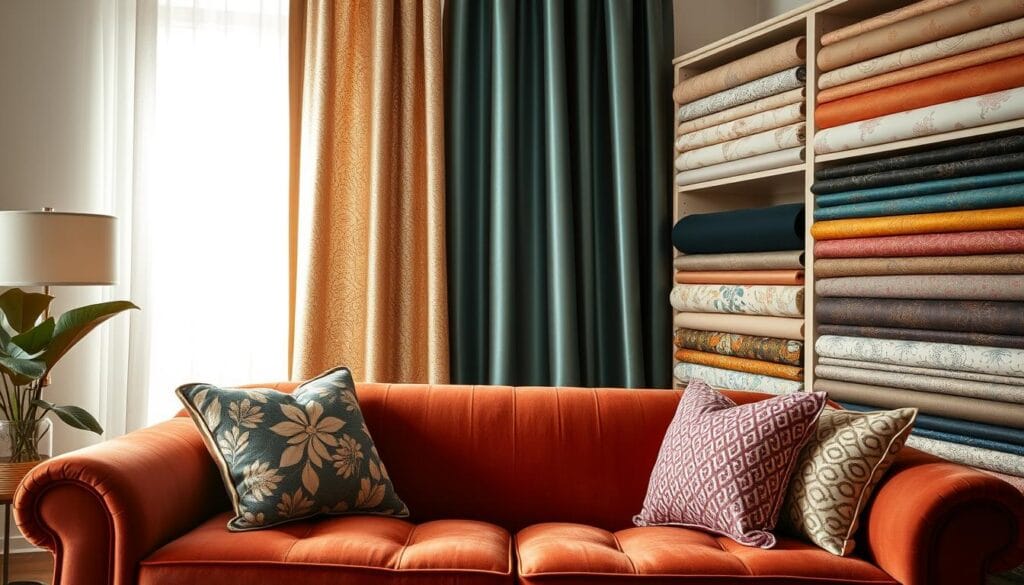
For a fabric reference that showcases soft, ombre green tones suitable for curtains or textiles, you might find this ombre grass option helpful: ombre grass fabric example on Amazon. For those considering high-end textiles and prints to coordinate with sage tones, explore a curated collection of luxury fabrics for inspiration: luxury fabric collection | stylish textiles.
Want more ideas? Share images, ask questions, or join our newsletter at Moderndecorum.com to stay inspired and connected with a community of fellow home lovers.