+10 Ideas For Shelf Decor Living Room Minimalist Inspo 2025
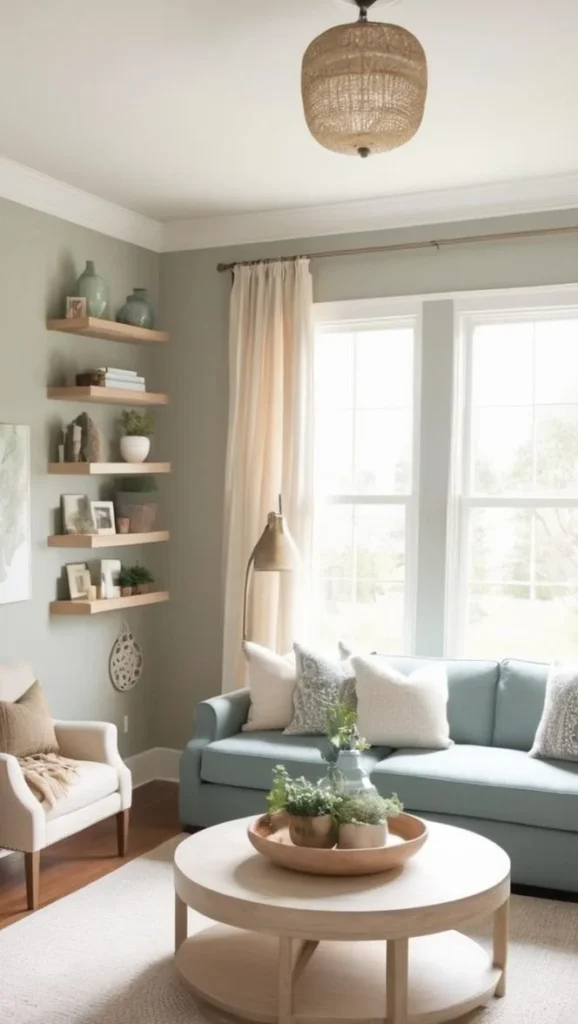
Imagine a living room shelf that breathes—clean lines, soft shadows, and objects that feel intentional the way a well-told story feels inevitable. Minimalist shelf decor in 2025 isn’t about emptiness; it’s about curated restraint. Think matte ceramics with a hint of grain, a single sculptural vase catching late afternoon light, stacks of neutral-toned books topped with a small brass object that catches the eye without shouting. Textures are quiet: raw wood, honed stone, linen, and unglazed clay. Color is used like punctuation—one mossy green or deep terracotta against clouds of beige, dove gray, and warm white.
This aesthetic matters because shelves live at eye level: they set the tone for hospitality, slow the pace when you come home, and subtly show who you are. They can make an awkward alcove feel intentional, transform a cluttered living room into a restful library, or give a rented apartment a lived-in yet refined personality. In practical terms, these ideas are perfect for a seasonal refresh to switch textures and accents, for creating cozy corners to read or entertain, or for a modern update when you want the room to feel current without a full renovation.
Minimalist shelving is wildly renter‑friendly and budget adaptable. You can layer thrifted pottery with inexpensive plants and a simple tray for instant polish. It’s also ideal when preparing for gatherings: a curated shelf becomes part of the staging, lending sophistication without demanding a strict dress code. If you’re saving for a sofa upgrade or rethinking your layout, a well-styled shelf buys time and gives the room a clear focal point.
If you want inspiration that balances minimalism with warmth, check this relatable moodboard for bedroom tones and textures: moody green bedroom inspo. These same principles translate to living room shelves—scale down, pick a theme, and let negative space work for you.
At a Glance
Minimalist shelf decor in 2025 is a thoughtful mix of small objects, lighting, and living elements that feel calm and collected. It’s less about filling every inch and more about composing negative space so each piece can speak.
- Item type: decor pieces (vases, objects, candles), small framed art, lighting (LED strips, small lamps), textiles (folded throws), and functional storage (baskets, trays).
- Main style: modern minimalist with Nordic and Japandi influences.
- Typical colors, materials, textures: warm neutrals, matte black, clay terracotta, raw oak, linen, frosted glass, and soft metals (brass or brushed nickel).
- Best rooms/zones: living room shelves, built-ins, media wall, entryway ledges, and home office shelving.
- DIY vs. buying: mix — mostly store-bought pieces mixed with easy DIY (spray-painted thrift finds, handmade clay vases).
Benefits
A well-curated minimalist shelf makes a room feel larger and calmer by reducing visual noise and creating natural focal points. With fewer but better objects, light travels across surfaces, shadows become design elements, and the eye rests rather than races. This visual breathing room improves perceived space and balance—especially helpful in smaller apartments or open-plan living areas.
Emotionally, these shelves promote calm and hospitality. A single plant and a soft-glowing lamp can make evenings feel cozy and intentional, perfect for relaxing after work or welcoming friends. Practically, minimalist shelving can be highly functional: trays and baskets hide small items, books are rotated for seasonal color, and layered pieces create surface storage without clutter. Picture a Friday night: a soft playlist, a warm candle, and a shelf that quietly complements conversation—no clutter interrupting the mood.
Why Choose It
Minimalist shelf decor is perfect for renters, young professionals, and anyone who prefers a low-maintenance, high-impact approach to decorating. It’s especially useful for people who love change—swap one vase or a print and the shelf reads as new. Families who need tidy solutions will appreciate baskets and trays that hide toys or remotes without sacrificing style.
Key strengths include affordability (a few targeted pieces go a long way), flexibility (mix and match across seasons), and timelessness—the restrained palette won’t look dated. A common real-life problem it solves: a cluttered media shelf looks disorganized during video calls. Replacing that chaos with a deliberate set of objects—books stacked horizontally, a small lamp, and a sculptural object—instantly elevates the background and your mindset.
How to Style +10 Ideas For shelf decor living room minimalist inspo 2025
{ingredients}
- Main items:
- 3–5 curated objects (ceramic vase, sculptural object, small framed art)
- 2–4 books with neutral spines
- One small lamp or LED strip for under-shelf lighting
- One trailing or upright plant (pothos, snake plant, or small ficus)
- A shallow tray or decorative bowl
- One woven basket for storage
- Optional extras:
- Candles (unscented for open shelves), stone coasters, small clock, minimalist photo frame
- Textiles: folded linen throw or folded wool blanket
- Accent piece: a ceramic or glass orb, brass accent
- Budget-friendly substitutions:
- Thrift-store ceramics instead of designer vessels
- Spray-paint thrifted frames for a modern finish
- Stack of magazines or brown-paper-wrapped books in place of expensive coffee-table books
- DIY dried flower arrangement instead of live plants
{directions}
- Start with a clean shelf. Remove everything, wipe down surfaces, and consider painting the wall behind a different neutral if you want contrast.
- Choose a focal point. Pick one statement piece (a tall vase or sculptural object) and place it slightly off-center to create tension and balance.
- Layer horizontally and vertically. Stack 2–3 books horizontally and place a small object or bowl on top. Balance with a vertically standing bookend or slim vase on the other side.
- Add greenery. Place a trailing plant at one end to soften edges, or an upright plant at the opposite end for height. Live plants add scent and movement—imagine leaves slightly swaying with AC flow.
- Use trays to contain. For smaller items like candles, match them on a shallow tray so they read as a single unit rather than a scattering of objects.
- Integrate light. A small lamp or a strip of warm LED light under a shelf highlights texture and creates cozy pools of light in the evening.
- Respect negative space. Leave empty zones—don’t fill every inch. A 30–40% empty area will make the shelf feel deliberate.
- Vary materials and finishes. Mix matte clay with polished metal and raw wood for sensory contrast; keep one metallic finish consistent to avoid visual clutter.
- Keep a color rule. Limit your palette to three colors plus neutrals. For example: warm white, soft gray, and mossy green. This keeps the arrangement minimalist without feeling flat.
- Rotate seasonally. Swap one or two pieces every few months—introduce a darker ceramic in winter, a light linen in summer—to keep the shelf feeling fresh.
Practical tip: step back and view from seating and entry points to ensure the arrangement reads well from different angles. Avoid symmetries that feel like displays in a shop; aim for asymmetry that feels natural.
Ways to Display
Minimalist shelf decor translates across zones. In the living room, place a low shelf under the TV with a trio of objects and a warm lamp to balance the screen. In an entryway, a single shelf with a shallow bowl for keys and a vertical print invites people in. For a bedroom, a slim shelf over the bed can hold a small plant and two framed photos for a lived-in, restful look.
Pairings matter: combine shelves with a textured rug, soft throw, and a sculptural side table to create a cohesive vignette. For a gallery-feel, place a small framed print above the shelf and let the shelf’s objects echo the print’s colors—see techniques for arranging wall art layouts here: living room wall decor ideas.
- Small spaces: use vertical shelving and choose slender objects to keep sightlines open; hang a narrow mirror above a shelf to double perceived depth.
- Large/open-plan rooms: create clusters across multiple shelves—repeat one object type (like small vases) across units to guide the eye and unify the space.
- Dining area: a shelf with stacked plates, a serving bowl, and a single sculptural vase reads practical and beautiful.
How to Maintain
Dusting and gentle cleaning are key to preserving the minimalist look. For wood and matte finishes, use a soft, dry microfiber cloth weekly. Ceramics and glass can be wiped with a damp cloth and mild soap as needed. Avoid harsh chemicals on natural materials—wood oils or waxes once or twice a year can rejuvenate raw wood shelves.
Plants need light and occasional trimming; rotate potted plants every few weeks so they receive even light. Wash textiles like throws seasonally and store them in breathable bags when not in use. For seasonal pieces (wreaths, holiday ceramics), store in labeled boxes in a cool, dry place and wrap fragile items in acid-free tissue to avoid scratches.
To keep the shelf feeling new, rotate one or two items every month, swap in a different book stack, or change the lighting color temperature for a subtly new mood.
Designer’s Advice
- Scale matters: vary object height in thirds—short, medium, tall—to create rhythm.
- One metallic finish keeps look cohesive; mix textures instead for interest.
- Warm bulbs (2700–3000K) make shelves feel inviting; add a dimmer for evening ambiance.
- Negative space is intentional—don’t feel pressured to fill every gap.
- Group in odd numbers (3 or 5) for a natural, pleasing arrangement.
- Keep functional storage stylish: choose woven baskets that match the palette rather than opaque plastic boxes.
- Use books as platforms—flip a book to hide a bright spine and create a neutral base.
Style Twists
- Minimalist: White ceramics, pale oak, monochrome books, and a single sculptural plant; very calm, gallery-like.
- Cozy Hygge: Add soft wool throws, candles, layered lighting, and deeper tone ceramics (terracotta/charcoal) for a snug, lived-in feeling.
- Budget/Thrifted: Hunt for secondhand frames and vases, spray-paint mismatched finds, and use bundled magazines wrapped in kraft paper as faux coffee-table books.
Each twist keeps the core principle—curation over accumulation—while shifting mood and cost.
Frequently Asked Questions
Q: How do I match shelf decor to my existing furniture colors?
A: Choose one accent color from the room and repeat it subtly on the shelf (a vase, a spine color). Keep the rest neutral to create cohesion.
Q: Is this renter-friendly?
A: Absolutely. Most elements are freestanding and easy to swap. Use removable wall hooks for framed art and avoid built-ins if you plan to move.
Q: How do I adapt for a small apartment versus a large living room?
A: Small spaces benefit from vertical emphasis and slim objects; large rooms can handle bolder sculptural pieces and repeated elements across multiple shelves.
Q: Where can I find quality pieces without overspending?
A: Look for local thrift shops, craft markets, and simple online marketplaces. Mix a couple of investment pieces with budget finds for a curated effect.
Q: What’s the best way to store seasonal items?
A: Label clear, breathable storage boxes and keep breakables wrapped in soft tissue in a cool, dry place away from direct sunlight.
Conclusion
Ready to try minimalist shelf decor in your living room? Start small—pick three pieces and a plant—and let them reshape the mood. If you enjoyed thinking about how a shelf can transform a room, explore trends that pair beautifully with these vignettes, like current sofa silhouettes in this roundup of 10 of the Biggest Sofa Trends for 2025 | Livingetc, or expand your wall art approach with these practical Gallery Wall Ideas & Layouts for Every Wall or Style. Share photos, ask questions, or drop styling wins in the comments below—join the conversation and find more ideas at Moderndecorum.com.