Apartment Renovation Ideas 2026: Textures And Materials That Enhance Soft Shapes
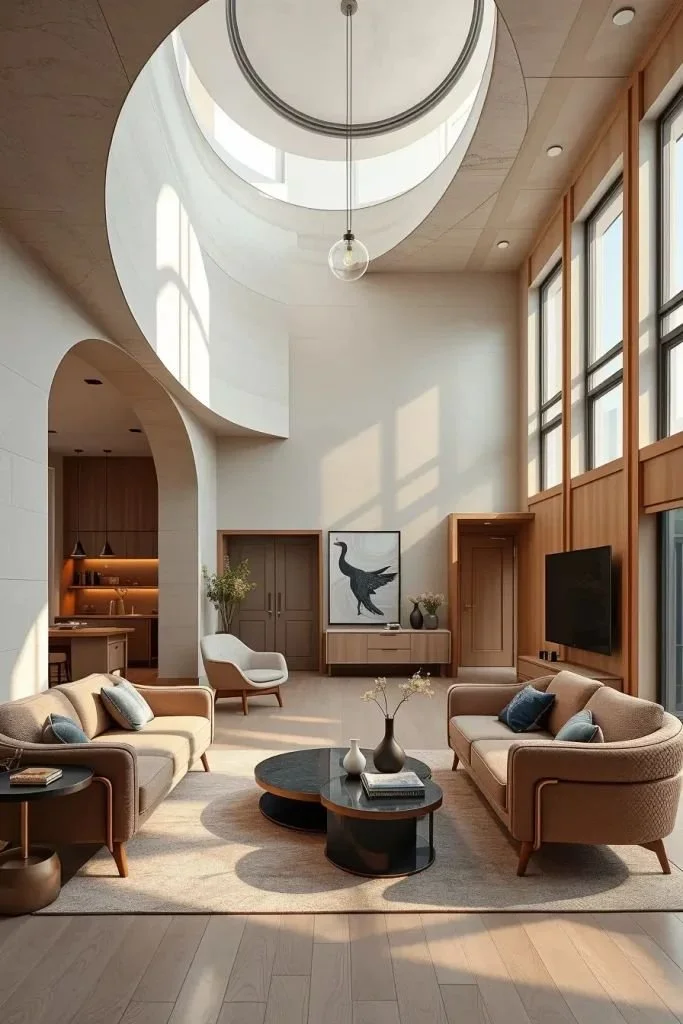
Imagine a living room that feels like a gentle exhale: rounded sofas with low, embracing backs; poufs that invite you to curl up; a rug that cushions each step with a whisper of wool and hand‑loomed texture. In 2026, apartment renovation trends are leaning into soft shapes — curved edges, pillowy silhouettes and organic lines — and the secret sauce that makes them sing is carefully chosen textures and materials. Velvet, boucle, brushed wood, matte metal, and tactile ceramics add weight, contrast and a sensory balance that turns soft forms from cute to confidently curated.
Textures are the language your decor speaks when you’re not in the room. A boucle armchair beside a raw oak coffee table, a linen drape catching the light, and a pebble‑textured ceramic vase on a low console together tell a story of approachable sophistication. Colors are softer too: warm clay, muted sage, chalky ivory and deep latte create an enveloping palette that complements rounded silhouettes, while small accents in terracotta or deep indigo punctuate and ground the look.
This approach matters because apartments are lived in — guests linger, pets nap, laptops open and dinner spreads happen. Textures and resilient materials make soft shapes practical: they hide wear, invite touch and create visual depth in compact spaces. Whether you’re refreshing for spring, making cozy corners for winter, preparing for a holiday gathering, or updating a rented space without structural changes, layering materials around soft furnishings transforms mood, increases comfort and reflects personality.
If you’re a renter craving a modern update without painting the walls, or a homeowner looking to entertain in a warm, tactile setting, these ideas are perfect. They’re equally handy for creating a serene work‑from‑home nook, staging a small apartment to sell, or reimagining a tired sofa with new fabrics and accents. Read on for practical styling steps, ingredient lists, and creative variations that help you apply textures and materials to enhance soft shapes in any apartment.
Style Snapshot
Soft‑shape styling with textured materials is a decor approach that focuses on rounded, organic furniture and objects paired with tactile surfaces to amplify comfort and visual interest. Think furniture and textiles more than wall art or lighting alone, though those play supporting roles.
This aesthetic sits between modern Scandinavian warmth and evolved boho — clean lines softened by nurturing materials. Typical colors include warm neutrals (cream, oatmeal, mocha), soft greens, dusty roses, and deep chocolate or navy for contrast. Materials and textures to expect: boucle, velvet, knits, brushed oak, matte brass, rattan, hand‑thrown ceramics, and natural stone. Best rooms are living rooms, bedrooms, reading nooks and entryways; it also works beautifully in open‑plan studios. Level of DIY vs. buying: mostly store‑bought pieces mixed with easy DIY touches (reupholstery, cushion covers, thrifted finds refreshed with new textiles).
- Item type: furniture and textiles focus (sofas, armchairs, rugs, cushions, poufs, side tables, small accent pieces)
- Main style: modern‑Scandi with boho and cottage warmth influences
- Typical colors: warm neutrals, muted pastels, deep accent hues
- Typical materials: boucle, velvet, linen, oak, matte metal, ceramics, jute
- Best rooms: living room, bedroom, entryway, cozy corners
- DIY vs. store: mix — buy core furniture, DIY textiles and styling accents
Why It Works
Visually, pairing textured materials with soft shapes creates depth without clutter. Rounded furniture reduces the harshness of angular apartments and improves flow in compact spaces — soft forms are easier on the eye and reduce visual noise. A low, curved sofa opens sightlines and makes a room feel wider, while a high‑pile rug or knotted throw anchors the seating area and adds a tactile focal point. Light interacts differently with matte woods, nubby boucle and glossy ceramics, creating dynamic highlights and soft shadows that keep the space lively throughout the day.
Emotionally, these materials invite touch and lingering. Boucle or velvet upholstery signals relaxation and sociability, turning a seat into a destination for conversation or reading. Natural fibers like linen and jute introduce a grounded calm that helps lower stress after a long day. Practically, many of the suggested materials are durable and forgiving: textured weaves hide stains better than flat fabrics, brushed metal is resilient around high‑traffic zones, and tactile ceramics are both decorative and functional. Picture a rainy evening: you sink into a rounded lounge chair wrapped in a chunky knit throw, the low lamp throws warm pools of light across a textural rug, and the apartment feels like a curated cocoon — welcoming for you and your guests.
Perfect For…
This renovation idea is a smart choice for renters, small‑space dwellers, young families and anyone who values comfort alongside style. Renters appreciate that most changes are non‑structural: swapping textiles, adding low furniture and layering surfaces doesn’t require permits or repainting. Families will love the forgiving nature of textured fabrics and rounded furniture edges that reduce sharp collisions. Design beginners find this approach intuitive — start with one statement curved sofa or a textured rug and build outward.
Key strengths include adaptability (works with many palettes and layouts), budget scalability (mix thrifted or mid‑range pieces with a few investment items), and longevity — soft, textured staples tend to remain relevant season after season. Problem‑solving in real life: an empty wall can be softened with a large textile wall hanging and a low rounded bench beneath it, turning a bare entry into a cozy landing. A boring, boxy sofa can be softened with a boucle slipcover or a row of oversized lumbar cushions; a dark corner can become a reading nook with a rounded armchair, layered floor rug, and a tall, matte‑finish lamp.
How to Style Apartment Renovation Ideas 2026: Textures And Materials That Enhance Soft Shapes
Ingredients
- Main items:
- Rounded sofa or loveseat (boucle, velvet or tightly woven linen)
- Curved armchair or pouf
- Low, textured rug (wool, hand‑loomed, or high‑low pile)
- Wooden coffee table with rounded edges (oak or ash, matte finish)
- Soft throws (knit, cashmere blend or chunky wool)
- Assorted cushions in different textures (velvet, linen, nubby weave)
- Ceramic or stone accent pieces (vases, bowls)
- Optional extras:
- Matte brass or black metal floor lamp
- Woven baskets for storage
- Plants in textured planters (ceramic, terracotta)
- Sheer linen curtains or textured roman shades
- Small tray, books and scented candle
- Budget substitutions:
- Thrifted side table sanded and oiled instead of new wood table
- IKEA or budget sofa reupholstered with a boucle slipcover
- DIY chunky knit throw from yarn or a simple no‑knit fleece throw
- Internal link (inspiration): explore hand‑painted furniture ideas for accent pieces: hand‑painted furniture
Directions
- Start with scale: measure your room and prioritize one rounded statement piece (sofa or armchair). In small apartments, choose a compact curved sofa to preserve walkways. Tip: leave at least 30–36 inches clearance for traffic.
- Anchor with texture: place a low‑pile or hand‑loomed rug beneath the seating group. The rug should be large enough that at least the front legs of seating rest on it — this visually unites the area.
- Layer cushions and throws: use three cushion sizes — one lumbar, one medium, one small textured pillow — in a mix of materials. Place a chunky throw over the sofa arm to invite touch; avoid overstuffing cushions which breaks the soft silhouette.
- Balance soft with hard: pair a plush sofa with a matte wooden coffee table or stone side table to add contrast and protect against spills. Keep corners rounded on hard surfaces to maintain flow.
- Add vertical texture: hang linen or lightly textured curtains, or a textile wall hanging above low furniture to draw the eye upward and soften wall edges.
- Introduce metallic accents sparingly: a matte brass lamp or black metal side table adds sophistication without overpowering the softness. Keep finishes matte to complement soft textiles.
- Plant placement: use a medium plant in a ceramic pot to add natural texture. Position near windows for light; in darker corners choose glossy foliage plants and a reflected light source like a mirror.
- Lighting layering: combine ambient (overhead or recessed), task (reading lamp), and accent (candles or picture lights) to highlight textures. Warm bulbs (2700–3000K) emphasize coziness.
- Edit with restraint: avoid more than three dominant textures in a small room to prevent visual clutter. Swap and rotate a cushion or throw seasonally to refresh the palette.
- Final touch: style trays with small ceramics, a book and a candle on the coffee table to introduce a human scale and tactile vignette.
- Internal link (practical decor cue): use black‑and‑tan accents for dramatic contrast in neutral rooms: black‑and‑tan accents
Best Pairings
Soft shapes and textured materials play well with companion decor that echoes their tactile appeal and organic lines. In entryways, a rounded bench topped with a woven cushion and a ceramic catchall welcomes guests with ease. In living rooms, layer a jute runner from door to seating area, a curved console behind the sofa to display ceramics, and a large mirror with a soft, arched frame to amplify light. Bedrooms become serene retreats with rounded headboards in velvet, linen bedding, and a chunky knit throw at the foot.
Pair these elements with:
- Plants: fiddle leaf, monstera, or potted palms in textured planters
- Candles and ceramics: group different heights for visual rhythm
- Mirrors: arched or rounded frames to echo furniture silhouettes
- Throws and cushions: stick to a 60/40 rule — 60% neutral, 40% accent textures
- Side tables: low, rounded wooden tables or matte metal pedestals
Small space idea: use a single curved chair, one pouf, and a small round coffee table to create an intimate conversation triangle without overwhelming the floor plan. Large open‑plan tip: use area rugs and low console tables to section zones and repeat textures to maintain cohesion across the space.
Care Instructions
Maintaining these materials keeps the tactile charm intact. For fabrics: vacuum upholstery and rugs weekly with a brush attachment to lift dust and lint; spot‑clean spills immediately with a mild detergent and blot, not rub. Velvet and boucle benefit from gentle steaming to lift crushed fibers and an occasional soft brush run to realign the nap. Always test cleaners on an inconspicuous area first.
For wood and metal: dust with a soft, dry cloth; for oiled wood, reapply a small amount of furniture oil once or twice a year to revive the finish. Matte metals wipe clean with a damp cloth; avoid abrasive cleaners that can alter the patina. Ceramics and glass are washable with mild soap. Rotate cushions and throws seasonally and store extras in breathable cotton bags away from direct sunlight and moisture to prevent fading and mildew. Keep heavier textiles and ceramics on lower shelves to avoid falls in earthquake zones or high‑traffic areas.
Designer’s Advice
- Scale matters: pair small poufs with a wide sofa to maintain balance; avoid tiny accent tables next to oversized seating.
- One bold texture per zone: if your rug is highly textured, choose simpler upholstery and add textural interest through accessories instead.
- Warm light amplifies texture: use warm bulbs (2700–3000K) and layer light sources to create soft shadows that show off materials.
- Mix finishes deliberately: combine matte metal with matte wood or a single shining accent to avoid a chaotic mix.
- Use odd numbers: group decor in threes for more natural visual rhythm.
- Anchor soft pieces with grounding color: a single dark cushion or throw can prevent the palette from feeling washed out.
- Test before you commit: bring fabric swatches home and view them at different times of day under your lighting.
Customization Options
Minimalist variation: choose a neutral boucle sofa, a single textured rug and a simple oak coffee table. Keep color to a 2‑tone palette (white and warm wood); use one accent cushion in charcoal.
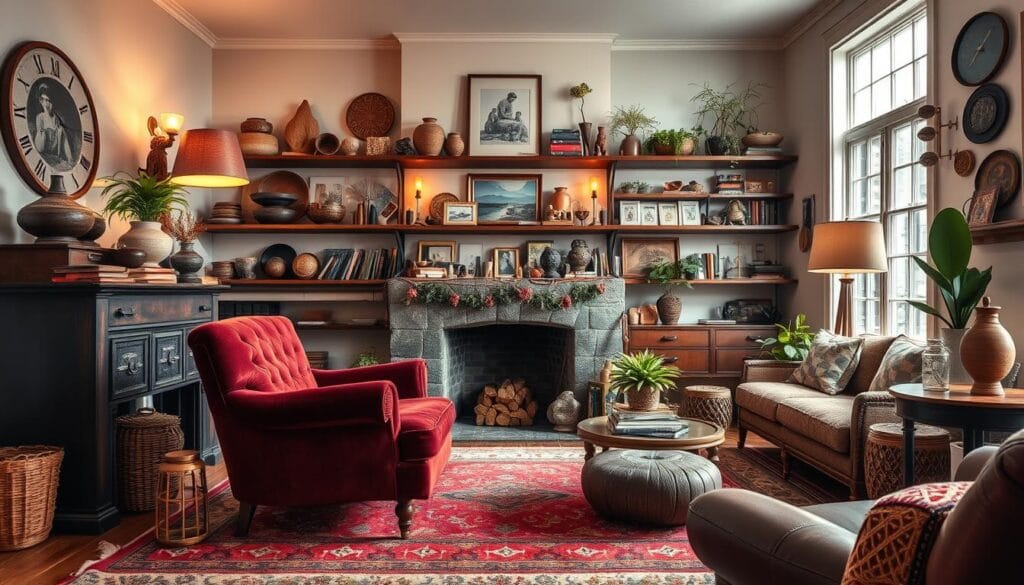
Cozy, maximalist twist: mix velvet and knits in jewel tones (deep teal, rust), layer multiple rugs, and add patterned cushions for a boho‑inspired lounge perfect for hosting dinner parties.
Budget approach: thrift a rounded vintage armchair, reupholster with an affordable boucle slipcover, upcycle a thrifted dresser into a curved console with fresh paint, and add DIY macramé wall art for texture.
Decor Q&A
Q: How do I match these textures with existing furniture? A: Start by choosing one dominant texture (e.g., boucle) and echo it in two other elements at smaller scales (a cushion and a pouf). Use a consistent color palette to tie disparate finishes together.
Q: Can I adapt this idea to a studio apartment? A: Yes — prioritize multi‑use rounded furniture (a bench that stores, a pouf that doubles as a side table) and use rugs to define zones. Keep vertical space uncluttered to preserve openness.
Q: Is this renter‑friendly? A: Absolutely. Most changes are non‑permanent: slipcovers, rugs, lamps, curtains and freestanding furniture create big visual shifts without altering the apartment.
Q: Where can I find quality textured items affordably? A: Look for secondhand curved furniture to reupholster, local craft markets for hand‑thrown ceramics, and entry‑level retailers for rugs and throws. Mix investment pieces with thrifted or DIY finds for a layered look.
Q: What’s the best way to store seasonal textiles? A: Clean before storing, place in breathable cotton bags, keep in a cool, dry place away from direct sunlight, and add cedar or lavender sachets to deter pests.
Conclusion
Soft shapes paired with thoughtful textures are a 2026 apartment renovation idea that turns small living spaces into tactile, lived‑in sanctuaries — perfect for relaxing alone or hosting friends. Try layering boucle or velvet upholstery with matte wood, knits and ceramics to create a warm, modern atmosphere, and don’t be afraid to mix DIY finds with a few curated investment pieces.
Want to see how current and upcoming trends relate? Compare these ideas with trend roundups like this useful overview of 20 Interior Design Trends 2025: Must‑Have Looks You’ll Love, and explore predictions for the coming year in Top 10 Design Trends That Will Define Homes in 2026. Share your photos, questions or styling wins in the comments — and visit Moderndecorum.com for more ideas and community inspiration.