Table of Contents
Why This Decor Idea Matters
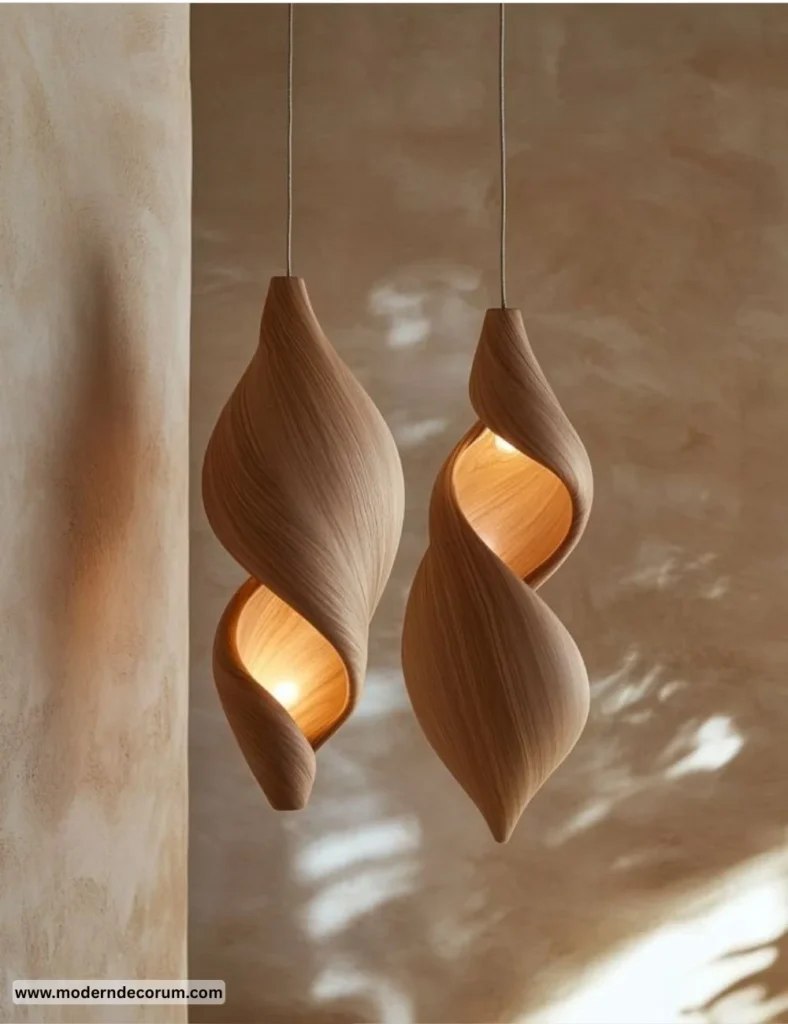
WABI-SABI PENDANT LIGHTS capture the timeless Japanese philosophy that finds beauty in imperfection, transience, and natural forms. In the world of interior design, few concepts resonate as deeply as wabi-sabi, and these pendant lights elegantly bring that spirit into our homes. From kitchens to reading nooks, they transform ordinary spaces into warm, inviting sanctuaries.
These stunning fixtures go beyond functionality; they are poetic statements that inspire comfort and introspection. With their handcrafted designs, organic materials, and balanced aesthetic, wabi-sabi pendant lights add depth and meaning to your living environment while enhancing its elegance and serenity.
Aesthetic and Functional Benefits
- Unique Visual Appeal: Wabi-sabi pendant lights often feature asymmetry, irregular shapes, and earthy tones. These elements help create a space that feels curated rather than mass-produced.
- Mood Enhancement: Natural light interacts beautifully with these fixtures, casting soft, warm glows that soothe and instill a sense of well-being. Good lighting can transform the atmosphere of a room, helping you unwind after a long day or sparking joy during gatherings.
- Timeless Trends: As minimalism wanes, we see a resurgence of interest in textures, individuality, and the stories behind design. Wabi-sabi pendant lights embrace these elements, making them a perfect fit for contemporary spaces.
What You’ll Need
Before diving into decorating, it’s essential to gather the right materials, furniture, and design elements that align with the wabi-sabi theme.
Essential Elements
- Pendant Lights: Look for fixtures made of natural materials like wood, ceramic, or metal with a patina finish.
- Budget-Friendly Options: Handmade ceramic pendants from local artisans or vintage finds can offer unique charm without the hefty price tag.
- High-End Choices: Consider custom, artisan-crafted pieces from design galleries or boutiques specializing in sustainable designs.
- Ceiling Hooks or Mounts: Sturdy fixtures to support your pendant lights safely.
- Dimmer Switch: To control the intensity of your lighting and create various moods.
- Complementing Colors: Warm neutrals and earthy tones work beautifully in wabi-sabi designs. Think dusty pinks, muted greens, and soft browns.
- Textiles: Soft furnishings like wool or linen can introduce warmth and texture to the area.
Sourcing Tips
- Local Artisans: Explore craft fairs, farmer markets, and local boutiques for unique, handcrafted items.
- Online Marketplaces: Websites like Etsy and local Facebook marketplace options can yield beautiful, one-of-a-kind finds.
- Thrift Shops: Vintage stores often have pieces that align perfectly with the wabi-sabi ethos.
Decorating Steps
Once you’ve gathered all your materials, it’s time to start decorating! Here’s a step-by-step guide to successfully installing and styling your wabi-sabi pendant lights.
Step-by-Step Instructions
- Choose the Right Location: Identify areas that could benefit from pendant lighting. Consider above dining tables, kitchen islands, or reading nooks.
- Importance: Lighting should be both functional and aesthetic; proper placement ensures maximum benefit.
- Ensure Correct Height: Install your pendant lights at the right height—generally 30-36 inches above a table or counter.
- Pro Tip: Adjustable ceiling mounts allow you to customize the height later if needed.
- Wiring and Installation: If you’re comfortable, safely wire your light fixture according to the manufacturer’s instructions. For complex electrical work, consider hiring a professional.
- Common Mistake: Skipping a safety check could lead to issues—always ensure your connections are secure.
- Layer with Additional Lighting: Introduce secondary light sources, like floor lamps or wall sconces, to complement your pendant lights.
- Importance: Layered lighting creates depth and warmth—key aspects of a wabi-sabi aesthetic.
- Accessorize Thoughtfully: Incorporate earthy decor elements, such as potted plants, organic sculptures, or textiles with natural fibers.
- Common Mistake: Over-decorating can disrupt the balance—aim for simplicity and harmony in your additions.
Design Tips & Variations
To truly personalize your space, consider implementing these styling tweaks and options.
Styling Tweaks
- Color Accents: Add throw pillows or small rugs that incorporate accent colors found in your lighting or surrounding decor.
- Textures: Experiment with contrasting fabrics—mix smooth linens with rough textiles to create interest.
Seasonal Updates
Changing your decor with the seasons can keep your space feeling fresh while honoring the changing nature that wabi-sabi celebrates.
- Autumn: Introduce warm tones through candles and deeper-colored fabrics.
- Spring: Add brighter accents with fresh flowers or lighter textiles, reflecting renewal.
Encourage Personal Touches
Don’t hesitate to display art or decor that reflects your life and travels. Plants, in particular, can enhance the organic feel of your space while serving as natural air purifiers and mood enhancers.
FAQ / Common Challenges
Q1: What if I can’t find the perfect pendant light?
Start with a less rigid design. Look for natural materials that speak to you; this will make the piece feel like a true part of your space.
Q2: How do I maintain the wabi-sabi aesthetic over time?
Embrace the natural wear of your decor. Regularly check in on your pieces, and allow them to evolve. A more relaxed, less polished space feels inherently wabi-sabi.
Q3: Are there specific styles of pendant lights I should avoid?
Generally, avoid overly ornate or high-gloss finishes, which clash with the simplicity and natural quality of wabi-sabi design.
Conclusion & Call to Action
Incorporating wabi-sabi pendant lights into your home not only enhances its aesthetic appeal but also fosters a welcoming ambiance that embraces imperfection and tranquility.
As you embark on this decorative journey, remember that the beauty of wabi-sabi lies in its allowance for singularity and authenticity.
So, which room will you transform first? Step into the serene world of wabi-sabi and let your creative spirit shine!