White-Wood Minimalist Living Room Ideas
Introduction
Imagine a room that breathes—where pale timber floors reflect a soft, morning light and the quiet geometry of furniture gives you room to think. White-wood minimalist living rooms feel like that first slow cup of coffee: crisp, intentional, and quietly luxurious. The palette is mostly snow and sand, the surfaces smooth but warm to the touch, and accents—linen throws, matte ceramic vases, or a single sculptural lamp—speak with calm authority instead of shouting for attention. Textures become the conversation: the faint grain of ash or pine, the whisper of a woven rug, the coolness of glass. The result is an atmosphere that soothes rather than stimulates.
This style matters because it’s practical and human-centered. It isn’t about emptying a room; it’s about making careful choices so every item earns its place—comfort meets function. A white-wood minimalist living room supports different lifestyles: a parent needing easy-clean surfaces, a remote worker craving clear focus, or a host who wants a welcoming stage for guests. The mood leans toward relaxed hospitality—an uncluttered canvas you can arrange around conversations, movie nights, or quiet reading hours.
White-wood minimalist schemes are perfect for seasonal refreshes (a light spring palette brightens winter-wary spaces), updating a dated room without a full renovation, or renters who need renter-friendly, nondestructive ways to change a space. They’re also budget-friendly: a coat of furniture paint, a few well-chosen textiles, and some potted greenery can transform a living room. If you’re preparing for a gathering, this aesthetic makes hosting simple—clean lines and neutral backdrops keep attention on people, food, and warm lighting. For inspiration tied to adjacent looks like industrial minimalism, check this thoughtfully curated guide to minimalist industrial living room ideas that pairs well with white-wood accents.
Style Snapshot
White-wood minimalist living room ideas are a decorating approach that centers on furniture, finishes, and accessories in pale or whitewashed woods combined with restrained, modern forms. This style blends modern minimalism with Scandinavian warmth: clean silhouettes, open space, and tactile materials.
- Item types: furniture (sofas, coffee tables, shelving), lighting, textiles, wall treatments, and small decorative objects.
- Main style: Modern minimalist with Scandinavian and subtle coastal influences.
- Typical colors, materials, textures: whitewashed oak, ash, or pine; soft linens and cottons; natural leather; matte ceramics; woven jute or sisal rugs; glass and brushed metal accents.
- Best rooms/zones: living room focal area, reading nook, entryway, small open-plan lounge.
- DIY vs. store-bought: mix—easy DIY (whitewashing, painting furniture) paired with store-bought basics for structure (sofa, rug).
Design Impact
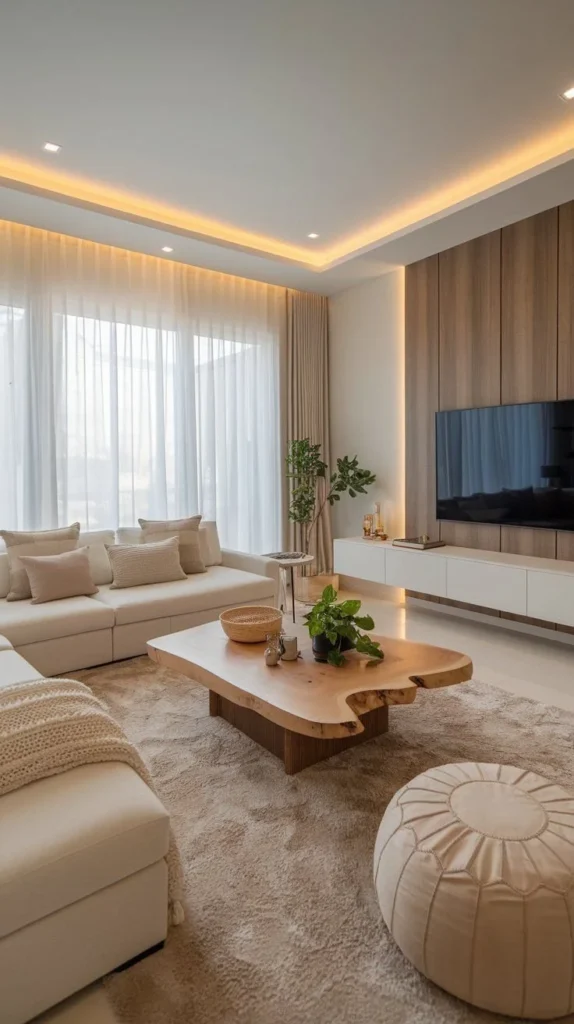
Adopting white-wood minimalist elements transforms a living room visually and functionally. Light colors and low-contrast wood tones expand perceived space—walls seem to recede, ceilings feel taller, and natural light is amplified. The careful restraint of the minimalist palette turns furniture into architecture: a white-wood media console becomes a calm horizontal line, a slim-legged coffee table reads like negative space you can move through easily. The result is better sightlines and a sense of flow that supports daily routines.
Emotionally, this style cultivates calm and focused comfort. When visual clutter is reduced, the mind relaxes; textures and tactile elements take center stage—soft throws invite touch, a warm wooden surface offers grounding. Practically, simple furniture with clean profiles can be multi-purpose: nested tables, benches that double as storage, or a console that organizes keys and mail keep the room tidy without heavy visual weight. Picture a weekday evening: gentle amber lamps, a neutral rug underfoot, and a folded throw on a white-wood armchair—comfy, composed, and easy to reset for the next day.
Why Choose It
White-wood minimalist living rooms are a smart choice for a broad range of people. Renters and first-time decorators appreciate the nonpermanent, low-damage interventions—swap in pale wooden furniture, hang lightweight art, or bring in plants without changing the structure of the home. Families and small apartments benefit from the clean lines and durable, easy-to-maintain materials that don’t overpower compact spaces. Design beginners find the discipline of minimalism forgiving: fewer pieces makes it simpler to make good decisions.
Key strengths of this approach are affordability and flexibility. A neutral backbone of white wood makes seasonal updates effortless—swap pillows, add a blanket, or introduce a metallic accent for a holiday. It’s also timeless: pale wood and neutral textiles have staying power across trends. Consider a common problem: a boring sofa on an otherwise empty wall. A white-wood floating shelf paired with a slim media console and a vertical plant instantly creates a layered focal point without crowding the room—solving scale and storage issues at once.
How to Style White-Wood Minimalist Living Room Ideas
{ingredients}
- Main items:
- Whitewashed or pale wood coffee table and media console
- Slim white-wood shelving or floating shelf
- Neutral sofa or loveseat (ivory, dove gray, or warm beige)
- Area rug in natural fibers (jute, wool) in a soft neutral
- Simple floor lamp and table lamp with fabric shades
- Optional extras for upgrading the look:
- Linen throws and textured cushions in muted tones
- Matte ceramic vases and bowls
- Woven baskets for storage
- Sculptural mirror with thin wood or metal frame
- Indoor plants (ficus, rubber plant, or trailing pothos)
- Wooden or ceramic trays for coffee table
- Alternatives and budget-friendly substitutions:
- IKEA-style pale wood or white laminates instead of solid timber
- Thrifted sideboard painted with whitewash
- DIY floating shelf from inexpensive pine, whitewashed or sealed
- Secondhand rugs or remnant carpet as budget-friendly floor layering
{directions}
- Begin with the floor and light: choose a natural-fiber rug in a warm neutral to anchor the seating area and amplify natural light. Tip: select a rug large enough that the front legs of seating pieces sit on it to unify the zone.
- Position the sofa along the longest wall or facing the main focal point (fireplace or TV). Keep about 12–18 inches between the sofa and coffee table for comfortable movement.
- Add a white-wood coffee table or low console in front of the sofa. For small rooms, choose a slim profile or oval shape to improve flow. Tip: leave negative space around the table to maintain the minimalist feel.
- Layer storage and display with a floating shelf or slim sideboard. Use rule-of-three styling: a stack of two books, one vase, and one small plant for visual balance. Avoid over-accessorizing—each item should feel purposeful.
- Introduce textiles strategically: one textured throw over the arm, two cushions in differing fabrics and tonal colors. Stick to a 2–3 color palette to keep the look cohesive.
- Create vertical interest with a tall plant or slim floor lamp. Place the lamp behind an armchair or next to the sofa to create a reading nook. Use warm 2700–3000K bulbs for cozy light.
- Anchor one wall with a simple gallery or a single large piece of art above the sofa. Choose mattes or frames in pale wood to echo the room palette—avoid heavy frames that weigh the space down.
- Add practical baskets and trays for daily clutter: a woven basket near seating for throws, a shallow tray on the coffee table for remotes and coasters. Tip: keep trays neutral; metallic or dark tones can feel too heavy if overused.
- Edit ruthlessly. Walk the room and remove any item that doesn’t add comfort, function, or genuine beauty. Minimalism is maintained by regular pauses and edits.
- Finish with scent and sound: a subtle pillar candle or diffuser and a soft playlist completes the sensory experience without crowding the visual field.
Best Pairings
White-wood minimalist living rooms play well with a long list of complementary elements. Plants—especially with broad, glossy leaves—bring life and a green contrast that reads fresh against pale wood. Textural linens and throws add warmth and invite touch; choose soft creams, soft taupes, or restrained dusty blues for subtle color. Metals should be minimal—brushed brass or matte black in tiny doses (lamp base, small frame) works best.
- Entryway: a slim white-wood console, bowl for keys, and a round mirror to bounce light.
- Living room: pair a white-wood media unit with low-profile shelving and a single sculptural lamp.
- Bedroom: a white-wood headboard and nightstand with linen bedding.
- Home office: floating pale-wood desk and open shelving for a calm workspace.
- Small-space idea: use nested tables and a floating shelf to keep the floor clear and visually enlarge the space.
- Open-plan idea: define zones with rugs and repeat pale-wood tones in both dining and living areas to create cohesion across a larger, airy room.
How to Maintain
Caring for white-wood minimalist furnishings is straightforward. For sealed whitewashed woods, dust weekly with a soft, dry cloth and wipe spills immediately with a damp (not wet) microfiber cloth. For raw or unfinished wood, use a dry brush for dust and treat stains promptly using manufacturer guidance. Fabric cushions and throws can be washed or spot-cleaned per care labels; rotate cushions every few weeks to distribute wear and preserve shape.
Refreshments should be seasonal and light: change cushion covers and throws twice a year, rotate decorative objects, and declutter surfaces monthly. Store seasonal items in breathable bins and avoid direct sunlight when possible—UV can yellow pale woods over time. If a piece loses color or sheen, a gentle rewhitewashing or light sanding and re-sealing can restore the original charm.
Decor Expert Tips
- Scale is everything: keep furniture low to the ground and avoid tall, bulky pieces that break the airy feel.
- Layer light sources: combine overhead, floor, and table lamps with dimmers to control mood.
- Use odd numbers for styling groups—three vases or five books look more natural than even-numbered pairs.
- Contrast textures, not colors: mix woven, smooth, and matte finishes to add depth without visual noise.
- Keep a dedicated declutter basket—every evening, spend five minutes returning items to their homes.
- If you crave color, introduce it in small doses via a single accent pillow or a piece of art.
- For renters, use removable hanging strips and floor mats to protect surfaces and avoid permanent alterations.
Creative Variations
- Cozy White-Wood Minimalist: Add warmer neutrals—camel leather, wool throws, and a chunky knit rug. Use warm-toned bulbs and layered textiles to make the space feel snug without losing minimalism.
- Coastal Minimalist: Bring in driftwood accents, sea-glass vases, and pale blue cushions. Choose whitewashed pine and breezy curtains for a softly sunlit, seaside mood.
- Budget/Thrifted Mix: Paint thrifted furniture with diluted white paint (whitewash technique), pair with secondhand textiles, and use inexpensive plants to recreate the look with minimal spend.
Frequently Asked Questions
Q: Can I mix darker furniture with a white-wood minimalist scheme?
A: Yes—introduce darker pieces sparingly for contrast, such as a single black coffee table or a charcoal throw. Keep most major pieces pale to maintain the airy aesthetic.
Q: Is this style renter-friendly?
A: Absolutely. Use freestanding furniture, removable wall hooks, and textiles to change the space without permanent changes.
Q: How do I adapt this idea for a small apartment?
A: Choose multi-purpose furnishings (storage benches, nested tables), maintain negative space, and use vertical elements like slim shelves rather than bulky cabinets.
Q: Where can I find good-quality items affordably?
A: Look at local thrift stores, online marketplaces, and outlets for gently used pieces. Simple DIY whitewashing can revive thrifted finds.
Q: How often should I swap textiles?
A: Aim for seasonal swaps—twice a year—to keep the room feeling fresh and aligned with the weather and mood.
Conclusion
White-wood minimalist living room ideas are a gentle, modern way to refresh your home—inviting warmth, clarity, and flexible style into everyday living. If you’re curious about pairing this aesthetic with sleeker or more industrial touches, this curated list of minimalist living room ideas offers complementary inspiration. For a broader set of bright, white-focused looks that can help you refine your vision, explore this collection of white living room ideas for a bright, inviting space.
Try a small change—swap a coffee table, add a woven rug, or whitewash a thrifted sideboard—and see how the room breathes differently. Share your photos, questions, or tips in the comments below, and explore more ideas at Moderndecorum.com; we’d love to see how you make this calm, tactile style your own.