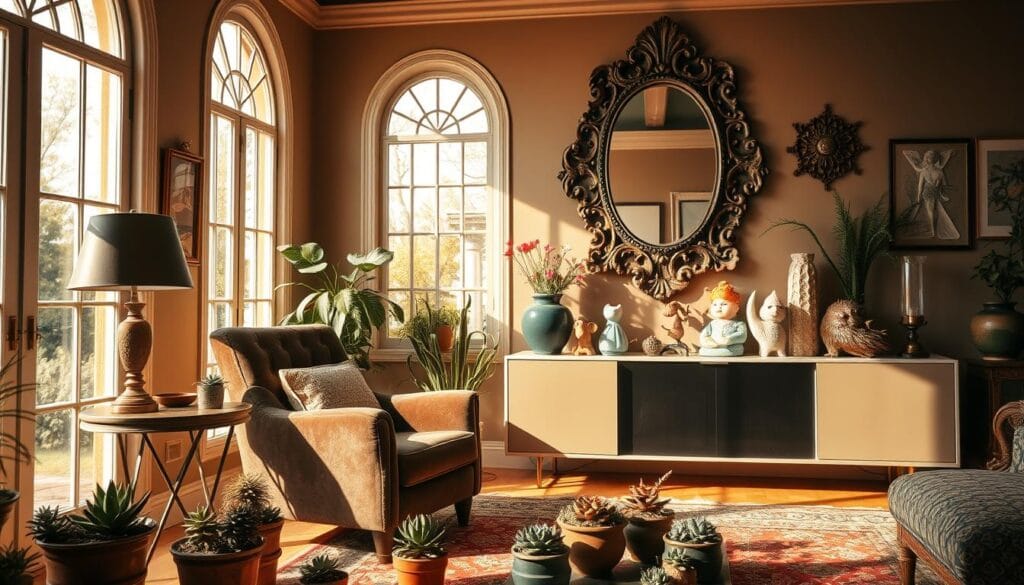

White Wood Minimalist Living Room Ideas: Calm, Crisp, and Completely Livable
Imagine stepping into a living room where sunlight pours across pale, grainy floorboards, a soft linen sofa faces a sculptural white coffee table, and every object seems to breathe space into the room. White wood minimalist living room ideas are about that quiet luxury — surfaces that glow, edges that are clean, and textures that invite touch. The palette is spare but never cold: warm white paint, bleached oak or painted pine, tactile knits, and matte ceramic accents create a scene that feels both modern and deeply restful.
This aesthetic matters because it translates high-style photography into real-life comfort. It’s not just about looking bright on Instagram; it’s about making everyday living calmer: easier morning routines, more inviting hours for hosting, and restful evenings that feel intentional. A white wood minimalist living room reads as thoughtful, not sterile — subtle imperfections in wood grain, a slightly rumpled throw, and a vase with a single stem keep the space human.
White wood minimalism works for so many moments: a seasonal refresh that brightens winter’s short days, a renter-friendly update that requires paint and a few furniture swaps, or a welcoming set-up for gatherings where your home needs to feel tidy and relaxed. If you’re ready to modernize without overhauling, or want a backdrop that showcases art, plants, and cozy layers, these ideas will help you make a living room that’s both serene and sociable. For more tailored examples and room layouts, see our deeper guide on white wood minimalist living rooms.
Style Snapshot
White wood minimalist living room ideas center around furniture and decor pieces that prioritize form and function. You’ll find items like streamlined sofas, low-profile wooden media consoles, simple shelving, sculptural lighting, and pared-down textiles forming the backbone of the room.
Main style influences include modern minimalism with a strong Scandinavian lean — think functional simplicity, natural light, and cozy accents. Typical colors are warm white, soft greiges, pale wood tones, and occasional muted accent colors (sage, terracotta, dusty blue). Materials and textures commonly used are painted or bleached wood, matte metal, linen, cotton, wool, and stone or ceramic accessories. This look suits living rooms and entryway seating zones best but scales nicely into bedrooms and open-plan dining areas. Implementation is a mix — mostly store-bought pieces for major furniture, with plenty of easy DIY options for accents and finishes.
- Item type: furniture, lighting, textiles, wall finishes, shelving
- Main style: Scandinavian/minimalist with modern warmth
- Typical palette: warm whites, bleached wood, muted accents
- Materials: painted wood, linen, wool, matte metals, ceramics
- Best rooms: living rooms, entryways, open-plan living/dining
- DIY vs. buy: mostly store-bought furniture; easy DIY accents
Design Impact
Adopting white wood minimalist living room ideas changes both how a space looks and how it feels day-to-day. Visually, the light wood and white surfaces reflect natural light, making small rooms feel larger and more open. Clean lines and uncluttered surfaces create an immediate sense of balance and order — the eye moves easily across the space, which improves flow between seating, media, and circulation paths. A pale wood entertainment console becomes a subtle focal point rather than a visual anchor that dominates the room.
Emotionally, this style fosters calm. The restrained color scheme lowers visual noise, helping you relax after a busy day. Textural contrasts — a chunky knit throw, a woven basket, a matte ceramic lamp — add softness and depth so the room doesn’t feel austere. Practically, minimalist layouts often prioritize multifunctional pieces: a low bench that doubles as extra seating, a console with hidden storage, or slim shelving that holds baskets for toys and throws. Picture a quiet Sunday afternoon: you’re curled up with tea on a linen sofa, light streaming through sheer curtains, and everything you need within reach but not on display. For a working-from-home moment, a streamlined desk niche carved out of the living area feels tidy and focused. For guests, the room clears quickly: one or two decorative trays, a stack of coasters, and your space is ready to welcome people.
Why Choose It
White wood minimalist living room ideas are smart for wide-ranging lifestyles. They’re ideal for renters who can achieve a transformative look with paint, textiles, and modular furniture. Small apartment dwellers benefit from the light-reflecting palette and compact, multifunctional pieces that give an airy feeling without sacrificing storage. Families can adapt the aesthetic by selecting durable textiles and strategically placing baskets or closed cabinets to hide clutter. Beginners will appreciate the straightforward rules: limit your palette, invest in foundational pieces, and swap accessories seasonally.
Key strengths are affordability and flexibility. You can invest in one quality piece — a whitewashed media unit or a slim wood coffee table — and layer thrifted or budget finds around it. The style is timeless but easy to refresh: changing pillow covers, a new rug, or an updated lamp instantly shifts the mood. A real-life problem this decor solves is a cluttered living room dominated by dark furniture. Replace the heavy coffee table with a white wood low table and add light-toned storage baskets — the space instantly appears less cramped and more intentional.
How to Style White Wood Minimalist Living Room Ideas
{ingredients}
- Main items:
- Whitewashed or painted wood coffee table or media console
- Light-toned sofa (linen or cotton) or a neutral slipcover
- Low shelving or floating shelves in white wood
- Simple floor or table lamp with matte metal or wood finish
- Area rug in natural fiber (jute, wool) or muted pattern
- Optional upgrades:
- Sculptural mirror or slim-framed wall art
- Textured throws and cushions (wool, cotton, knit)
- Ceramic vases, stone trays, brass or matte black accents
- Potted greenery and trailing plants
- Woven baskets and storage boxes
- Budget-friendly alternatives:
- Thrifted wooden table painted in creamy white
- IKEA-style shelving with cheap wood veneer + new pulls
- DIY linen pillow covers or painted terracotta pots
{directions}
- Start with the base: choose a warm white paint for walls or whitewashed wood paneling to set the tone. Tip: test paint swatches near windows at morning and evening to see undertones.
- Anchor the seating area with a neutral sofa and a pale wood coffee table. Placement tip: leave 18 inches between sofa and coffee table for comfortable movement.
- Layer texture with a natural-fiber rug and a chunky throw. Common mistake: using a rug that’s too small — aim for at least the front legs of seating to rest on the rug.
- Add vertical interest with slim floating shelves in white wood. Space them 12–18 inches apart vertically for visual flow, and avoid overcrowding by following the “rule of threes” when styling.
- Use baskets and closed storage under consoles or on lower shelves to hide clutter. Pick woven baskets with lids for toys or throw blankets.
- Introduce plants strategically: a tall, leafy plant near a corner softens edges; a trailing plant on a shelf adds movement. Keep plant pots in neutral tones to maintain the calming palette.
- Layer lighting: combine a floor lamp beside seating with a softer table lamp on the console. Tip: warm bulbs (2700–3000K) create cozy ambience.
- Finish with small vignettes: a stack of two coffee-table books, a ceramic bowl, and one sculptural object. Keep negative space — don’t overcrowd surfaces.
- For renters: use removable wallpaper or peel-and-stick panels behind shelves for a textured focal wall. Avoid permanent fixtures if you plan to move.
- Refresh seasonally by swapping cushion covers, adding a richer colored throw in autumn, or a light linen runner in summer.
Presentation Tips
White wood minimalist living room ideas translate across zones beautifully. In an entryway, a slim white wood console plus a round mirror sets a clean, welcoming tone. In a living room, keep furniture low and unobtrusive to accentuate openness; place a pair of small side tables rather than one large end table to preserve flow. In a bedroom, a white wood bench at the foot of the bed reinforces the theme and adds function.
Pair this decor with plants, candles, rugs, mirrors, wall art, and soft throws for a layered yet restrained look. Mirrors amplify light and should be hung at eye level above a console. Rugs that introduce subtle patterns anchor seating while still keeping the minimal aesthetic. Small-space idea: use a single, sculptural armchair and a narrow white side table to create a cozy reading nook without crowding. For larger open-plan rooms, define zones with two rugs — one for lounging and one for the dining area — and repeat materials (same white wood finish) to create cohesion.
- Entryway: white console, simple bowl for keys, woven basket underneath
- Living room: low coffee table, linen sofa, tall plant in corner
- Bedroom/nook: white bench, layered textiles, pendant or wall lamp
- Small space: choose vertical storage and slim profiles
- Large space: repeat textures and use rugs to create distinct areas
For more industrial minimal inspiration that pairs surprisingly well with white wood, see our related article on minimalist industrial living room ideas.
How to Maintain
White wood finishes are forgiving but benefit from simple care. Dust surfaces weekly with a microfiber cloth to prevent grit from scratching finishes. For painted or whitewashed wood, use a mild soap solution and a damp (not wet) cloth for occasional cleaning; avoid harsh abrasives. For linen and cotton textiles, follow care labels — many cushion covers are machine-washable on a gentle cycle; rotate them seasonally to reduce uneven fading.
Refresh frequency: dust weekly, vacuum rugs every 1–2 weeks (more often in high-traffic homes), and deep-clean cushion covers and throws every 2–3 months. Storage tips: keep seasonal textiles in breathable cotton bags away from direct sunlight to avoid yellowing. To keep the look new, rotate decorative objects every few months, swap cushion covers to shift the palette, and tighten or touch up hardware on furniture as needed. For wood that dulls over time, a light sanding and reapplying a clear matte sealant can revive the finish without changing the color.
Designer’s Advice
- Keep scale in mind: low-profile furniture emphasizes a minimalist feel; too-tall pieces break the flow.
- Stick to a limited palette of 3–4 colors to maintain calm: white, light wood, one neutral accent, one subtle pop.
- Layer light sources: overhead, task, and accent lighting create depth and atmosphere.
- Mix textures generously — smooth wood, woven fibers, matte ceramics — to avoid a flat look.
- Use negative space strategically; an intentionally empty shelf can be as powerful as a filled one.
- Choose multi-purpose furniture (storage ottoman, benches with cubbies) for small homes.
- When in doubt, pare back: edit items monthly and donate what doesn’t feel essential.
Style Twists
- Minimalist Cozy: Keep the white wood base but add warmer accents — a camel wool throw, terracotta pots, and smoked glass lamps. The result feels intimate while retaining clean lines.
- Coastal Bright: Pair bleached white wood with driftwood accents, seagrass rugs, and soft aqua cushions. Add shells or a rope mirror for a seaside nod.
- Budget Thrift: Paint thrifted pine furniture with a soft white chalk paint, source secondhand linen slipcovers, and use inexpensive woven baskets for storage — a high-impact look on a small budget.
Decor Q&A
Q: How do I match white wood decor with existing darker furniture?
A: Use balance: place white wood pieces near darker items to create contrast, and add linking elements like a rug or cushions that include both tones to harmonize the palette.
Q: Is this style renter-friendly?
A: Yes — prioritize paintable or removable finishes, slipcovers, and free-standing furniture. Avoid permanent changes unless you plan to repaint.
Q: How do I adapt the idea for small apartments?
A: Opt for scaled-down furniture, vertical shelving, and multifunctional pieces. Keep pathways clear and use mirrors to visually expand the room.
Q: Where can I find quality items without overspending?
A: Mix one or two investment pieces with thrift finds and budget-friendly online furniture. Look for solid construction and timeless lines rather than trendy details.
Q: What’s the best way to clean and store seasonal decor?
A: Store textiles in breathable bags in a cool, dry place. Clean ceramics and glass with mild soap; avoid prolonged direct sunlight for all white-finished surfaces.
Conclusion
White wood minimalist living room ideas offer a timeless, flexible approach that brightens space and simplifies living — perfect for seasonal refreshes, renter-conscious updates, or anyone craving a calmer home. If you’re inspired, try one small change this weekend: a whitewashed table, a new rug, or a single sculptural plant and watch how the room breathes easier. Share your photos or questions below and connect with our community of design lovers.
For more inspiration on creating a bright, inviting white living room, check out 10 white living room ideas for a bright, inviting space, and for fresh trends in pared-back layouts see top minimalist living room design ideas for 2025.