Wingspan Wall Art — Green
Wingspan wall art captures motion, freedom, and a sense of lift — and when rendered in green, it adds a layer of calm, freshness, and connection to nature. This article explores how a wingspan piece can transform a room, the variations in style and materials, and practical tips for choosing and styling green wingspan wall art so it becomes a focal point rather than just another decoration.
Why green works for wingspan art
Green is associated with balance, renewal, and serenity. A wingspan motif suggests upward movement and expansiveness; together the imagery and the color create a feeling of uplifted calm. Shades of green can change the mood:
- Soft sage or mint for subtle, Scandinavian-inspired interiors.
- Deep forest or emerald for drama and richness.
- Bright lime or chartreuse for playful, contemporary spaces.
If you’re exploring ways to personalize a wingspan piece, consider combining green with metallic accents (gold or brass) to introduce warmth, or with natural textures like jute or rattan to emphasize an organic look. For DIY inspiration on complementary projects, you might enjoy this collection of fun DIY wall art ideas that pair well with nature-focused themes.
Styles and materials
Wingspan wall art comes in many formats. Choosing the right one depends on the room scale and the effect you want:
- Canvas prints: soft, painterly textures that suit living rooms and bedrooms.
- Metal wall sculptures: offer strong silhouette and can cast interesting shadows when lit.
- Wood or reclaimed wood panels: add rustic warmth and tactile depth.
- Mixed-media pieces: combine fabrics, paint, and found objects for a layered, unique look.
When selecting a green palette, look at how the material interacts with light. Matte canvas will absorb light and read as more muted, while glossy or metallic-finished pieces will reflect and intensify color.
Sizing and placement
A wingspan design naturally draws horizontal attention. Because of that:
- Above furniture: Use the art to balance a sofa, headboard, or console table. The art’s width should typically be 60–75% of the furniture width for optimal balance.
- Over stairwells or entryways: Choose elongated pieces to echo the vertical flight path, or a series of panels to suggest movement.
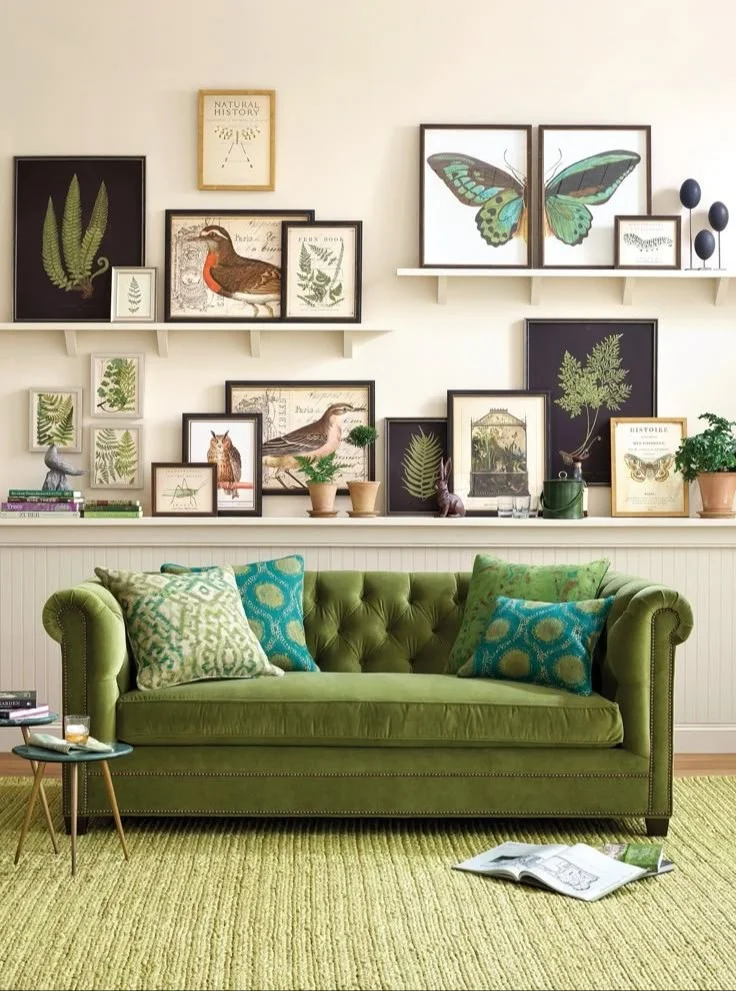
- Gallery arrangements: Mix a wingspan centerpiece with smaller complementary works for texture and rhythm. For inspiration on gallery approaches and layout, explore examples in this distinctive wall art concepts gallery.
Lighting matters: a subtle spotlight or directional track lighting can emphasize the silhouette and deepen green tones without overwhelming them.
Styling tips
- Layering: Place a wingspan piece above a floating shelf and layer smaller objects (plants, vases) below to enhance the feeling of lift.
- Contrast: Pair green wingspan art with warm neutrals (cream, tan) for harmony, or with navy and charcoal for bold contrast.
- Repeating color: Pull a green accent from the art into pillows, throws, or a rug to create cohesion.
- Scale mixing: Use one large wingspan piece with several small vertical pieces nearby to play with movement and proportion.
Care and longevity
- Dust canvas and wooden pieces with a soft, dry cloth. Avoid chemical cleaners.
- For metal sculptures, lightly dust and, if needed, use a manufacturer-recommended polish sparingly.
- Avoid direct, prolonged sunlight to reduce fading, especially for painted canvas.
Conclusion
Green wingspan wall art can be a serene yet dynamic centerpiece in many interiors, from minimalist to bohemian. If you want to see handmade variations and shop for unique pieces, check out Wingspan Art – Etsy. For a dramatic, large-format example of the concept in canvas form, consider viewing this option: "WINGSPAN II" CANVAS ART by Sarah Stockstill | 40" x 60 ….